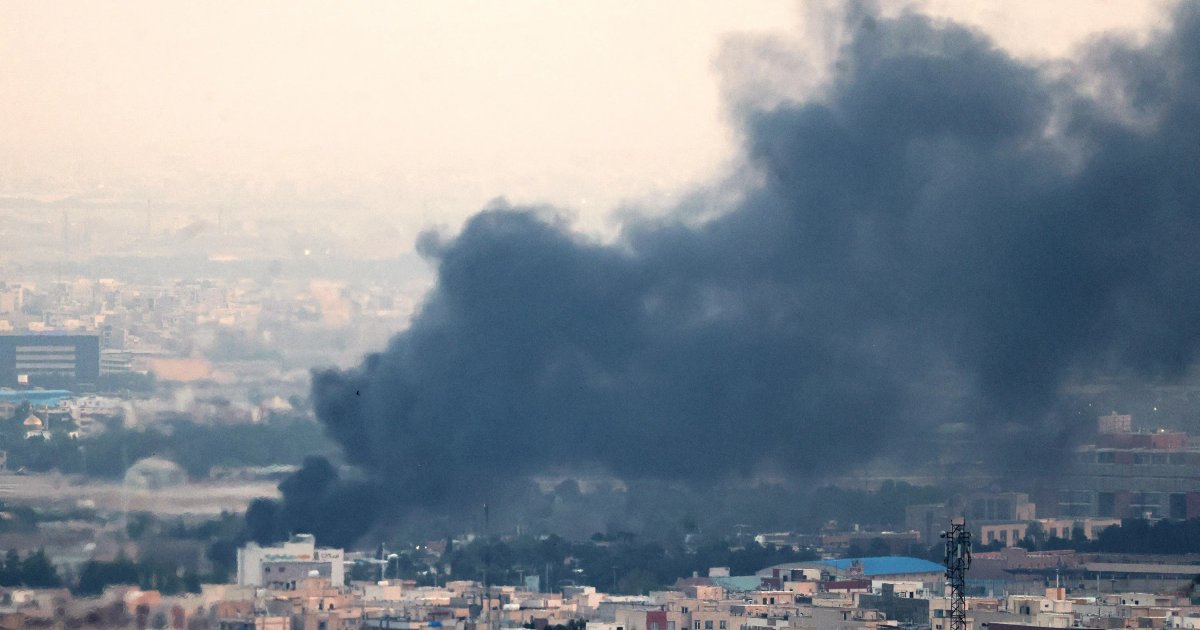
In a new escalation, U.S. President Donald Trump announced on Thursday the destruction of Iran's largest bridge, stating that this act is part of a strategy to target more Iranian infrastructure. Trump's statements raise concerns about the increasing tensions between the United States and Iran, at a time when the region is experiencing instability.
These remarks come at a critical moment, as fears of a potential military escalation in the region are growing. Trump, who has previously made a series of hostile statements towards Iran, appears to be continuing his approach of pressuring Tehran by targeting its vital facilities.
Details of the Incident
Trump indicated in a video posted on his social media platforms that the destruction of the bridge represents an important step in his strategies against Iran. The targeted bridge is one of the main vital facilities connecting Iranian cities, reflecting the significance of this act in the context of the ongoing conflict. This announcement has elicited mixed reactions in political and media circles, with some considering it an unjustified escalation, while others view it as part of a broader strategy to pressure the Iranian regime.
It is worth noting that Trump had previously announced stringent economic sanctions against Iran, leading to a deterioration in relations between the two countries. This destruction follows a series of attacks targeting Iranian facilities in recent years, highlighting the rising military tensions in the region.
Background & Context
Historically, U.S.-Iranian relations have seen significant fluctuations, beginning after the Iranian Revolution in 1979. Since then, the United States has pursued a policy of pressure on Iran, including imposing economic and military sanctions. In recent years, these pressures have intensified with the escalation of Iranian nuclear activities, making it difficult to reach diplomatic agreements.
Iran is considered one of the key countries in the Middle East, with a significant influence on events in Iraq, Syria, and Lebanon. Therefore, any military escalation against Iran could significantly impact regional stability, raising concerns in neighboring countries.
Impact & Consequences
The recent escalation could provoke reactions from Iran, which may seek to retaliate by targeting U.S. interests or Washington's allies in the region. This scenario could heighten tensions and lead to an undesirable military escalation.
Moreover, this tension could affect global oil prices, as Iran is one of the largest oil producers in the region. Any military escalation could lead to fluctuations in global markets, impacting the global economy as a whole.
Regional Significance
The Arab countries neighboring Iran find themselves in a precarious position, as they may be directly affected by any military escalation. Countries such as Iraq, Syria, and Lebanon may find themselves caught in the middle of the conflict, complicating the security and economic situations in these nations.
The psychological and social impacts could also be significant, as citizens in these countries live under the pressure of ongoing military tensions, affecting their daily lives and personal security.
In conclusion, the situation in the region remains tense, requiring effective diplomatic dialogue to avoid military escalation. Hostile statements and actions will only exacerbate the situation, necessitating international community intervention to mitigate tensions.