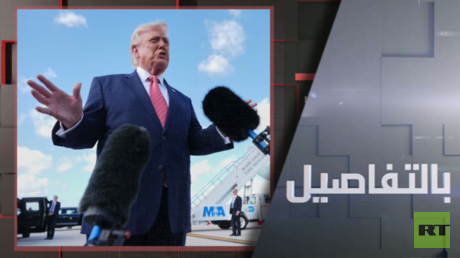
Former U.S. President Donald Trump declared that the United States will no longer provide support to Paris and London, indicating that the U.S. will cease assistance to its European allies. These statements come at a sensitive time for international relations, as European nations seek to bolster their security and stability amid rising geopolitical tensions.
Trump, speaking at a rally, emphasized that the United States is no longer obligated to provide financial and military support to European countries, suggesting that these nations must take responsibility for their own security. These remarks align with the "America First" policy that Trump championed during his presidency, which sparked significant debate within political circles.
Details of the Announcement
During his speech, Trump pointed out that European countries, particularly France and Britain, heavily rely on American support in various areas, including defense and security. He noted that the United States has provided substantial aid to these nations over the years, but he believes it is time to change this approach.
Trump also criticized European governments for what he described as their "inability to manage their own security affairs," asserting that these countries should invest more in their military capabilities instead of depending on the United States. His comments come at a time when Europe faces increasing security challenges, including threats from Russia.
Background & Context
Historically, the United States has been considered a key ally of Europe, contributing to the continent's reconstruction after World War II through the Marshall Plan. However, relations between the U.S. and European countries have experienced growing tensions in recent years, particularly during Trump's tenure.
In 2017, Trump withdrew from the Paris Climate Agreement, which displeased many European leaders. He also criticized NATO, demanding that member countries increase their defense spending. These policies significantly impacted transatlantic relations, leading to a sense of distrust among traditional allies.
Impact & Consequences
Trump's statements could exacerbate tensions between the United States and Europe, as European nations may feel increased pressure to strengthen their military capabilities. This could result in heightened defense spending in European countries, potentially affecting their budgets in other areas such as education and health.
Moreover, these remarks may bolster the position of populist political movements in Europe, which advocate for reducing reliance on the United States and enhancing national sovereignty. They could also lead to a reevaluation of relationships among European nations, as countries may seek to enhance security cooperation with one another.
Regional Significance
For the Arab region, a decline in American support for Europe could impact regional stability. Arab nations may seek to strengthen their ties with European countries in light of reduced American backing, potentially leading to shifts in regional alliances.
Additionally, any escalation in tensions between the United States and Europe could affect Middle Eastern issues, including the Israeli-Palestinian conflict and crises in Syria and Libya. Under these circumstances, Arab countries may find themselves in a position that necessitates a reassessment of their diplomatic strategies.
In conclusion, Trump's remarks highlight potential shifts in American foreign policy, prompting European and Arab nations to consider how to navigate these changes.