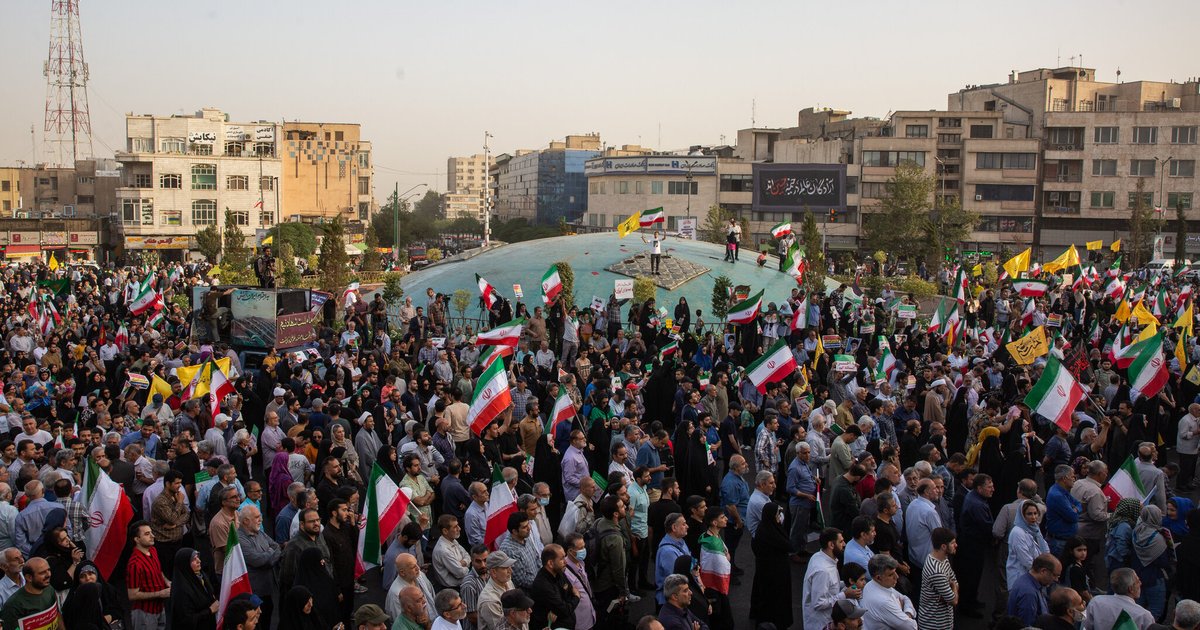
U.S. President Donald Trump announced that Iran has shown readiness to negotiate a plan to end the ongoing conflict during a press conference. However, Tehran still maintains a publicly rigid stance, raising questions about the possibility of making actual progress in negotiations. This announcement comes at a time when the region is experiencing heightened tensions, particularly due to the political and economic crises facing Iran.
Trump's statements are part of his ongoing efforts to pressure Iran to change its behavior in the region, asserting that the United States seeks to achieve lasting peace. Nevertheless, the official Iranian position shows no signs of retreat, complicating matters further.
Details of the Announcement
During the press conference held in Dubai, Trump stated, "Iran is ready to negotiate," indicating that there is an opportunity to end the ongoing conflict. However, he did not provide specific details regarding the nature of a potential agreement or the conditions Iran might impose. This statement comes at a critical time, as Iran faces increasing international pressure due to its nuclear program and regional behavior.
The U.S. administration aims to seize this opportunity to reach a comprehensive agreement that ensures Iran does not acquire nuclear weapons and limits its influence in the region. However, Iranian statements suggest that Tehran will not back down from its regional policy, further complicating the situation.
Background & Context
Historically, U.S.-Iranian relations have seen increasing tensions since the Islamic Revolution in 1979. Economic sanctions imposed on Iran have exacerbated the country's economic and social conditions, prompting the Iranian government to seek diplomatic solutions. However, previous negotiations, including the nuclear agreement reached in 2015, collapsed after the U.S. withdrawal in 2018.
Iran is considered a key player in the Middle East, seeking to enhance its influence in Iraq, Syria, and Lebanon. These policies have led to rising tensions with neighboring Arab countries, as well as the United States. In this context, Trump seeks to use diplomatic and economic pressure to force Iran to change its behavior.
Impact & Consequences
If an agreement is reached between the United States and Iran, it could lead to a de-escalation of tensions in the region, positively impacting regional stability. However, any agreement requires support from U.S. allies in the region, who may have reservations about any concessions Washington offers Tehran.
On the other hand, if Iran continues its rigid stance, it could escalate the conflict, negatively affecting the Iranian economy and increasing internal pressures on the government. Additionally, instability in Iran could impact regional security, especially given the presence of armed groups linked to Iran in countries like Iraq and Syria.
Regional Significance
This development is of significant importance to Arab countries, as any agreement between the United States and Iran could affect the balance of power in the region. Gulf countries, in particular, are closely monitoring the situation, as any rapprochement between Washington and Tehran could alter their security and defense strategies.
In conclusion, the question remains open regarding how serious Iran is about negotiating and whether it will retreat from its rigid positions. The developments in the coming days will be crucial in determining the trajectory of relations between Iran and the United States and the impact on security and stability in the region.