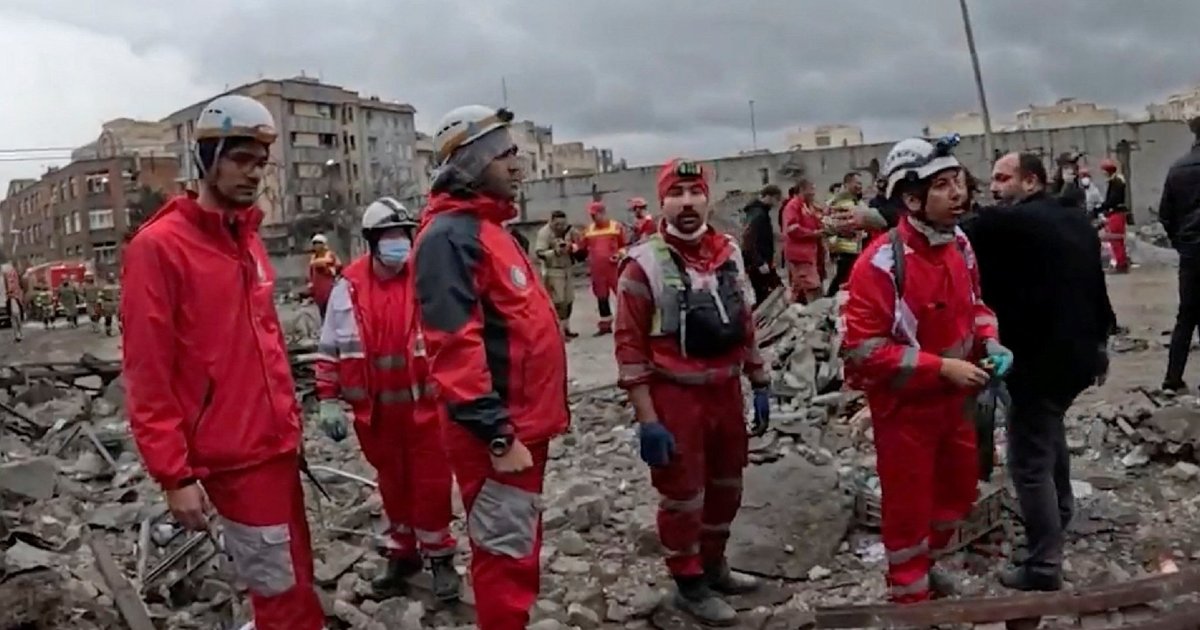
US President Donald Trump announced that the war led by the United States and Israel against Iran is "nearing its end," suggesting that the situation is progressing well. This statement came during an interview with NBC, where Trump did not provide specific details regarding the timeline for ending the conflict, raising questions about whether these remarks reflect a new reality in regional relations.
Trump's statements come at a sensitive time, as pressures are mounting on the US administration to end military conflicts in the Middle East. In recent years, the region has witnessed escalating tensions between Iran on one side and both the United States and Israel on the other, leading to a series of military confrontations and covert operations.
Details of the Announcement
During the interview, Trump noted that "things are going well," reflecting optimism about the potential for progress in negotiations or military operations. However, he did not provide any details regarding the next steps or whether there are ongoing discussions with Iran or its allies.
This statement follows a period of heightened tensions between Iran and Israel, where the latter has targeted Iranian sites in Syria, while Iran has responded by supporting armed groups in the region. These dynamics make it difficult to predict the future of relations among the involved parties.
Background & Context
Historically, relations between the United States and Iran have been tense since the Islamic Revolution in 1979, which led to the severance of diplomatic ties. Since then, the United States has taken several steps against Iran, including imposing economic and military sanctions. In recent years, Israel has increased its operations against Iranian targets, further complicating the situation in the region.
In 2015, a nuclear agreement was reached between Iran and major powers, but the US withdrawal from the deal in 2018 led to a resurgence of tensions. Since then, Iran has adopted a more aggressive policy, heightening concerns for both the United States and Israel.
Impact & Consequences
If Trump's statements reflect a genuine shift in US policy, it could have significant implications for regional security. Ending the war or reducing tensions could pave the way for new negotiations, potentially leading to greater stability in the region. Conversely, if these remarks are not backed by concrete actions, it may lead to further frustration among US allies in the region.
Additionally, these developments could affect relations between Iran and Arab states, as some countries may seek to improve their ties with Tehran amid changing regional dynamics. This could lead to a reevaluation of alliances in the region, creating new opportunities and challenges.
Regional Significance
For the Arab world, any changes in US-Iranian relations could directly impact security and stability in the region. Many Arab countries, especially those sharing borders with Iran, are closely monitoring developments. Ending the conflict could ease tensions, allowing Arab states to focus on their internal issues and economic development.
In conclusion, Trump's statements regarding the nearing end of the US-Israeli war on Iran remain a contentious topic. In the absence of clear details, the question of how these remarks will affect the regional reality remains open, necessitating careful monitoring by observers and decision-makers in the region.