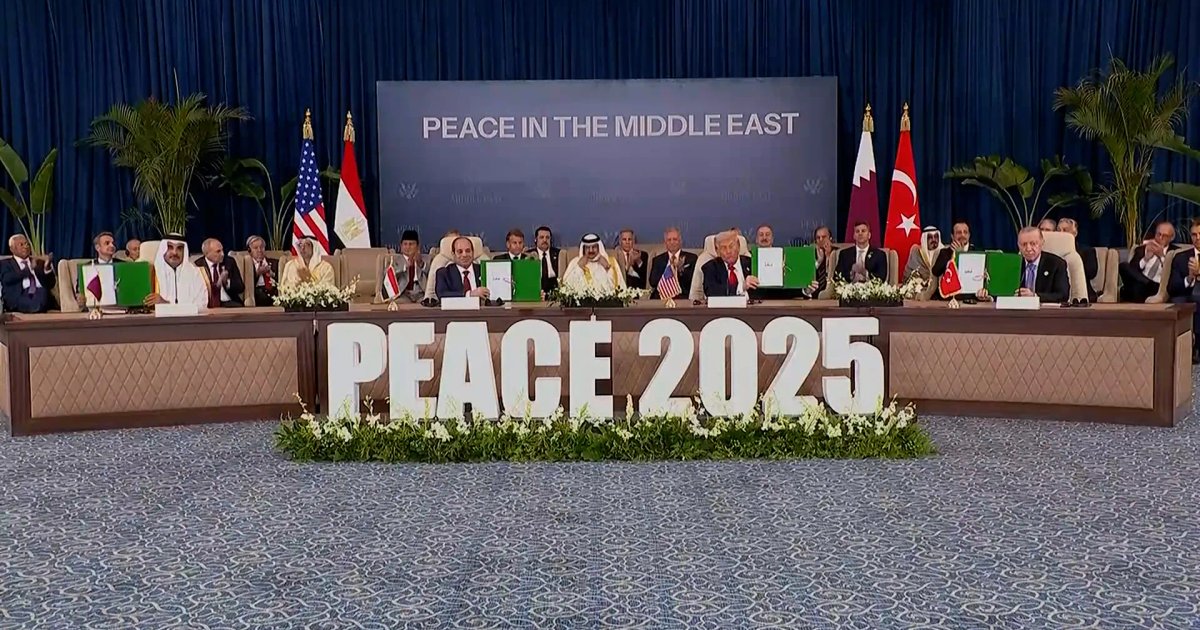
U.S. President Donald Trump has announced a new two-week ceasefire in the ongoing conflict in the Middle East, as part of diplomatic efforts aimed at calming the tense situation in the region. This announcement followed mediation from Pakistan, which led to an agreement to reopen the Strait of Hormuz, a vital maritime corridor for oil transport.
Iran has accepted the ceasefire terms, but at the same time, it has asserted that this agreement does not mean the end of the ongoing conflict. Meanwhile, Israel has stated that this ceasefire does not include Lebanon, raising questions about the stability of the situation in the region.
Details of the Ceasefire
This ceasefire comes at a time when the Middle East is witnessing escalating tensions, particularly between the United States and Iran. Trump indicated that this step aims to reduce the intensity of the conflict and promote stability in the region. He also confirmed that reopening the Strait of Hormuz would have a positive impact on global trade.
Despite Iran's agreement to the ceasefire, official statements from Tehran suggest that the country still reserves the right to defend its interests. This reflects the complexities of the current situation, where there are still concerns about potential escalation in the future.
Background & Context
Historically, relations between the United States and Iran have been marked by severe tensions, especially following Washington's withdrawal from the nuclear agreement in 2018. Since then, the U.S. has imposed strict economic sanctions on Iran, exacerbating the situation in the region. Additionally, interventions by other regional powers, such as Israel, have complicated the landscape further.
The Strait of Hormuz is considered one of the most important maritime passages in the world, through which approximately 20% of the world's oil passes. Therefore, any tension in this corridor directly impacts the global economy.
Impact & Consequences
This ceasefire is seen as a positive step towards reducing the intensity of the conflict, but it may only be a temporary solution. Tensions between Iran and Israel remain, and could lead to renewed escalation at any moment. The stance of other regional countries, such as Saudi Arabia and the UAE, may also influence the overall stability of the region.
It is also crucial to monitor global market reactions, as any change in the security situation in the Middle East can affect oil prices and the global economy at large.
Regional Significance
Events in the Middle East directly impact Arab countries, as any escalation in the conflict could lead to negative repercussions for security and stability in the region. Additionally, Arab nations that rely on oil may face economic challenges if tensions in the Strait of Hormuz persist.
In conclusion, the situation in the Middle East remains complex, and the current ceasefire may be a step towards peace, but it is not the end of the conflict. Continuous diplomatic efforts are required to ensure stability in the region.