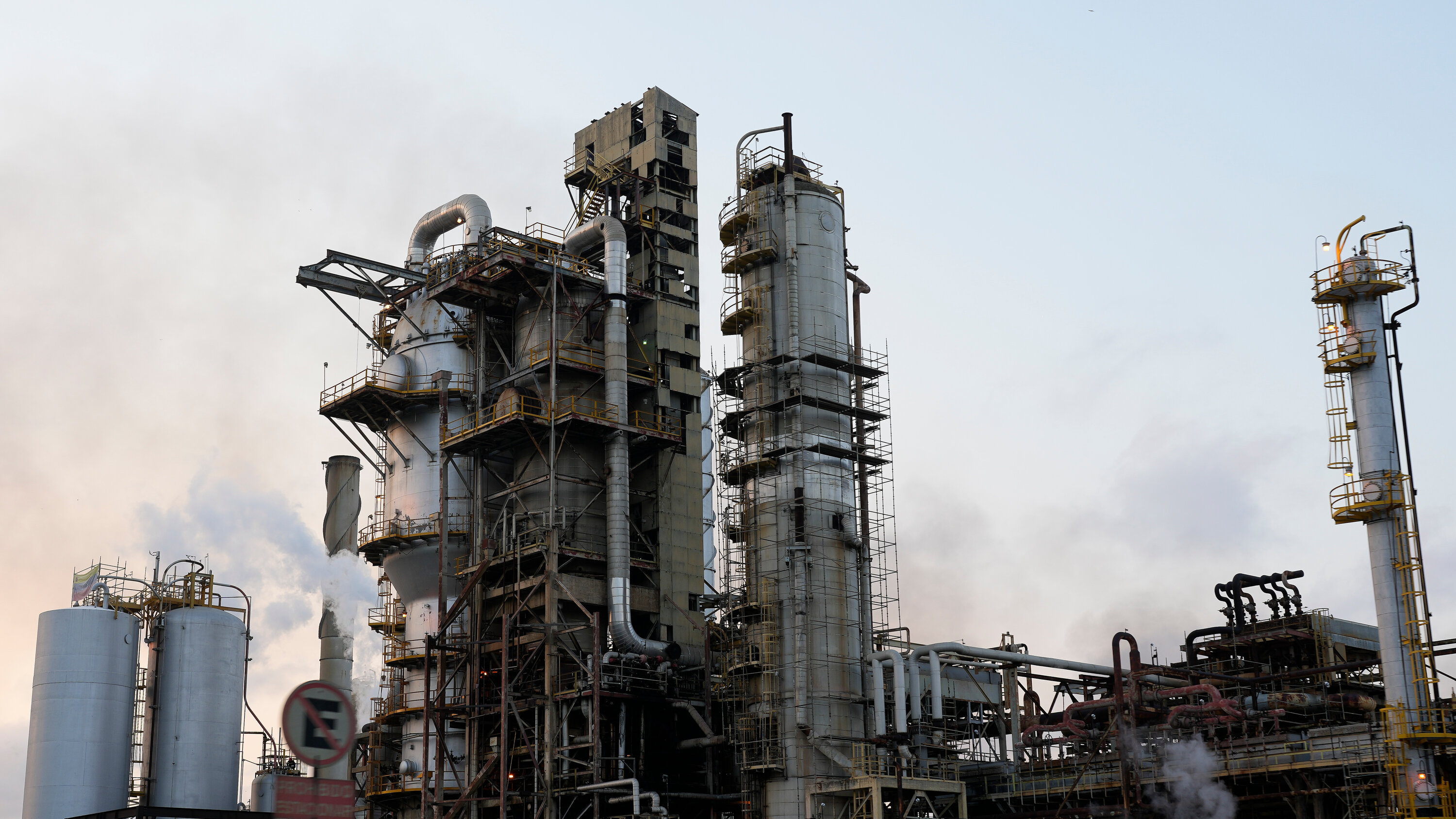
In a controversial move, U.S. President Donald Trump announced the sale of 100 million barrels of Venezuelan oil, confirming that this quantity has been shipped to the state of Texas for refining. This announcement came during a forum in Florida, where Trump indicated that the United States enjoys good relations with Venezuela and that there are plans to sell an additional 100 million barrels next month.
Trump clarified that this deal is part of a larger strategy aimed at generating substantial financial returns for the United States, predicting that revenues from the sale of Venezuelan oil could reach hundreds of billions of dollars. He also warned American companies of the necessity to invest $100 billion in Venezuela, indicating the U.S. readiness to process Venezuelan oil.
Details of the Announcement
This step comes amid political and economic tensions in Venezuela, which has faced severe U.S. sanctions in recent years. Last February, Russian Foreign Minister Sergey Lavrov stated that Russian companies have been pressured to exit Venezuela following the U.S. attack on the Venezuelan government, leading to the arrest of President Nicolas Maduro and his wife.
Lavrov also pointed out that the sanctions imposed on Venezuela by the U.S. Treasury are considered direct discrimination against the country, preventing it from conducting oil transactions with nations such as Russia, China, Iran, North Korea, and Cuba.
Background & Context
Historically, Venezuela was one of the largest oil producers in the world, with its economy heavily reliant on oil revenues. However, the country has experienced significant economic decline in recent years due to U.S. sanctions and internal corruption, leading to a severe humanitarian crisis.
Following the political changes in the country, a new system for collecting oil revenues has been established, with accounts controlled by Washington. This trend reflects the United States' desire to dominate Venezuela's oil resources, raising questions about the country's national sovereignty.
Impact & Consequences
This move by the United States marks a radical shift in its approach to Venezuela, reflecting Washington's intent to exploit the country's natural resources for its own benefit. This could escalate tensions between the U.S. and Russia, especially following Lavrov's remarks about the pressures faced by Russian companies.
Moreover, this direction may impact global oil markets, as competition for Venezuelan oil is expected to increase under these new circumstances. This could lead to a rise in global oil prices, affecting the world economy as a whole.
Regional Significance
Considering the situation in the Arab region, these developments may influence the relationships between Arab countries and the United States. As pressures mount on Venezuela, some Arab nations may seek to strengthen their ties with Russia and China as alternatives to reliance on the U.S.
In conclusion, the situation in Venezuela remains under close observation, as upcoming developments will determine the fate of the country and its relations with major global powers.