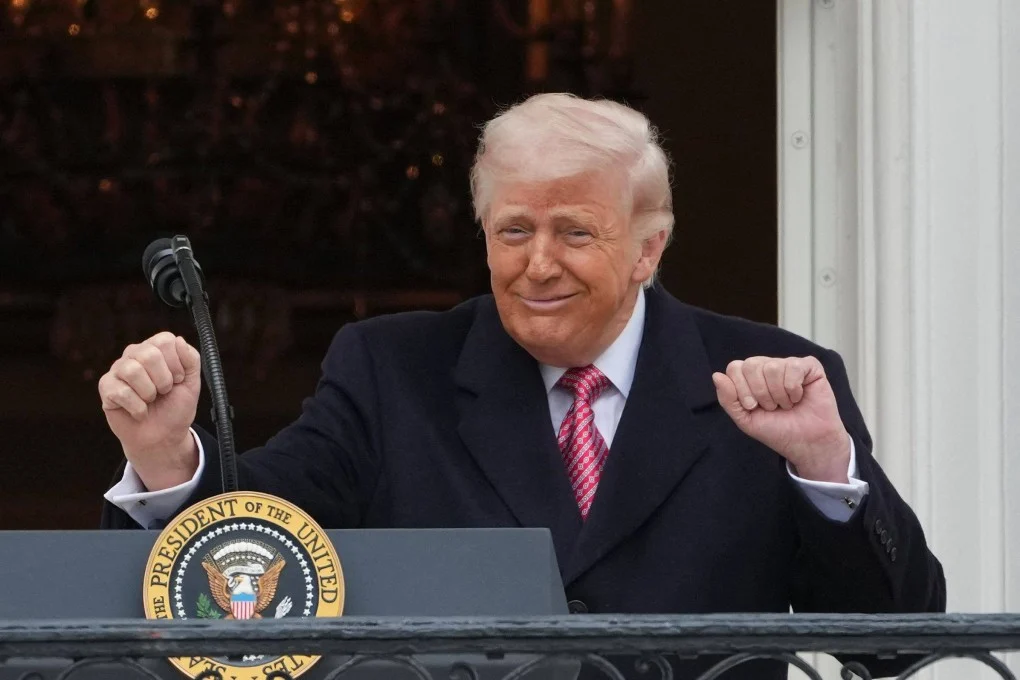
Ahead of a highly anticipated summit with Chinese President Xi Jinping in Beijing, U.S. President Donald Trump announced trade victories benefiting American farmers, confirming that agricultural exports to China exceeded $40 billion. These statements come at a critical time before the midterm elections, as Trump seeks to regain the trust of farmers who have been negatively impacted by his trade policies.
During a discussion with farmers and ranchers at the White House, Trump noted that the trade agreements reached with China have contributed to boosting American exports, marking an important victory in the ongoing trade war between the two countries.
Details of the Announcement
In his speech, Trump emphasized that American farmers are now able to export large quantities of soybeans to China, which is a positive step amid trade tensions. He also pointed out that these agreements will help improve the economic situation for farmers who have suffered from the impact of tariffs imposed on Chinese goods.
These statements come at a time when the American economy faces multiple challenges, including the effects of the trade war with China and geopolitical conflicts in the Middle East. Farmers are considered a vital voting bloc that Trump relies on for his upcoming election campaign.
Background & Context
Historically, trade relations between the United States and China have experienced significant fluctuations, with tensions escalating in recent years due to tariffs imposed by Trump on Chinese goods, leading to reciprocal reactions from Beijing. This upcoming summit represents an opportunity for both parties to ease tensions and rebuild trust.
It is important to note that American farmers have been among the most affected by this trade war, as tariffs have increased production costs and reduced profits. Therefore, any progress in trade talks with China is seen as a glimmer of hope for them.
Impact & Consequences
Trump's statements carry significant implications for U.S. domestic policy, as he seeks to strengthen his position with voters by presenting himself as a defender of farmers' interests. Additionally, his success in securing trade agreements could greatly influence the outcomes of the upcoming midterm elections.
Furthermore, any improvement in trade relations between the United States and China could contribute to stabilizing global markets, benefiting the global economy as a whole. However, the question remains regarding the sustainability of these agreements amid changing circumstances.
Regional Significance
While attention is focused on U.S.-China relations, it is essential to consider the potential impact on the Arab region. Trade tensions between the two superpowers may affect the prices of essential commodities, including oil and wheat, which could reflect on the economies of Arab countries that heavily rely on these commodities.
Moreover, any changes in U.S. trade policy may affect foreign investments in the region, requiring Arab nations to be prepared to adapt to these shifts.
In light of these developments, it remains crucial to monitor the outcomes of the upcoming summit between Trump and Xi, as these discussions may determine the trajectory of trade relations between the two countries and their impact on the global economy.