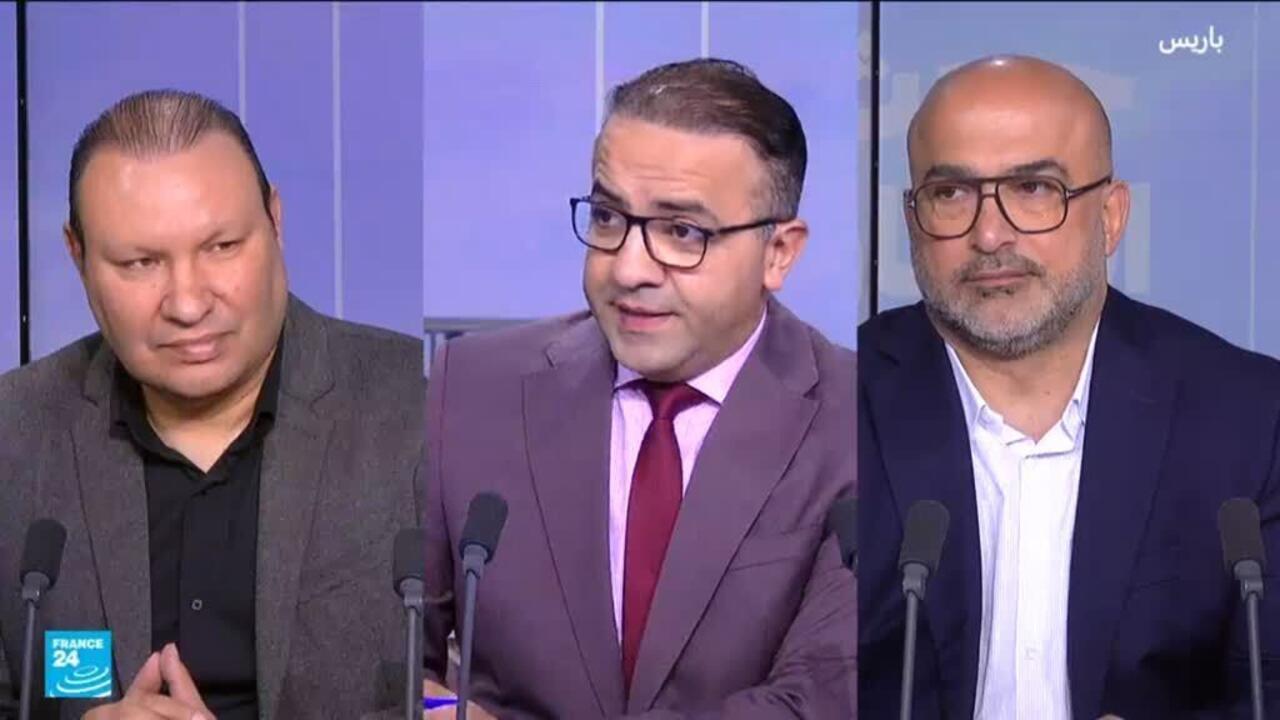
In an unexpected development, President Donald Trump announced on Wednesday that the United States would provide support to end disruptions in navigation in the Hormuz Strait. This announcement followed hours after an agreement between Washington and Tehran for a two-week ceasefire, reflecting a shift in the U.S. stance towards Iran.
This step is seen as a sign of potential easing of escalating tensions in the region, which has witnessed significant escalation in recent months. The United States had previously threatened military strikes against Iran, but current circumstances seem to have prompted a more diplomatic approach.
Details of the Announcement
In a press conference, Trump confirmed that the United States would work to ensure the safety of navigation in the Hormuz Strait, one of the world's most vital waterways. This announcement comes at a sensitive time, as there have been concerns about escalating conflict between the U.S. and Iran, particularly following a series of maritime incidents in the region.
The agreement for a two-week ceasefire is a significant step towards calming the situation, allowing both parties to negotiate outstanding issues. Officials in the U.S. administration indicated that this agreement could pave the way for broader discussions on security and economic issues between the two countries.
Background & Context
Historically, U.S.-Iran relations have been marked by ongoing tensions since the Islamic Revolution in 1979. These tensions have significantly escalated in recent years, particularly after the U.S. withdrawal from the Iranian nuclear deal in 2018. Since then, Washington has imposed strict economic sanctions on Tehran, exacerbating Iran's economic situation and increasing military tensions in the region.
At the same time, Iran seeks to enhance its influence in the region by supporting armed groups in Iraq, Syria, and Lebanon, complicating the security situation further. However, both parties seem to recognize that military escalation would not be in their best interests, which may explain the shift in the U.S. position.
Impact & Consequences
This agreement could have significant implications for stability in the Middle East. As tensions ease, neighboring countries may have the opportunity to reassess their security and economic strategies. Additionally, this development could encourage further cooperation between Gulf states and Iran, contributing to peace in the region.
Moreover, this agreement may impact global oil markets, as the Hormuz Strait is a vital transit point for oil transportation. Any improvement in security conditions could lead to stabilization in oil prices, benefiting the global economy.
Regional Significance
For Arab countries, this development carries important implications. Stability in the Hormuz Strait means greater stability in trade and oil movement, benefiting the economies of Gulf states. Furthermore, easing tensions between the U.S. and Iran could contribute to improving relations between Iran and Arab countries, especially those that have experienced tensions in recent years.
In conclusion, there appears to be a genuine opportunity for progress towards peace in the region, but it remains to be seen how events will unfold in the coming days and weeks.