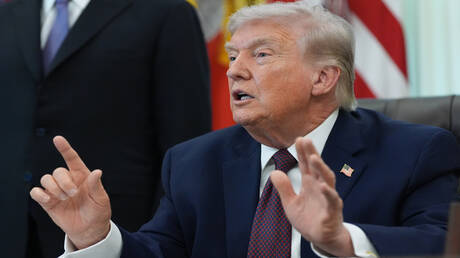
US President Donald Trump revealed the United States' intention to withdraw its forces from the conflict with Iran, clarifying that this withdrawal will occur within a timeframe of two to three weeks. These statements come at a time when the region is experiencing increasing tensions, raising questions about the potential impact of this decision on security and political situations in the Middle East.
This move represents a significant shift in American policy towards Iran, as the United States has bolstered its military presence in the region in recent years. Trump, who is facing both internal and external pressures, seeks to reduce military tensions in the area, which may affect America's relationships with its traditional allies in the Middle East.
Details of the Announcement
In a press conference, Trump confirmed that the troop withdrawal is part of new strategies aimed at reducing the American military presence in conflict zones. He indicated that forces would begin to withdraw within two weeks, with the possibility of extending this period to three weeks depending on circumstances. These remarks follow a series of military skirmishes between Iranian and American forces, which have heightened tensions in the region.
Iran is considered one of the most pressing issues facing the current US administration, as fears grow over the escalation of Iranian military activities in the region, including its support for militias in Iraq and Syria. At the same time, the United States is looking to reassess its military strategy in the Middle East, which could impact the balance of power in the region.
Background & Context
Historically, relations between the United States and Iran have been strained, especially following Washington's withdrawal from the Iranian nuclear deal in 2018. Since then, the US has imposed stringent economic sanctions on Iran, exacerbating the country's economic and political conditions. In recent years, the region has witnessed an increase in military activities, making it essential to reconsider American military strategies.
Trump's statements come at a sensitive time, as calls within the United States to end long-standing wars in the Middle East are growing. Many observers believe that withdrawal from Iraq and Syria could be a step towards reducing tensions, but there are concerns about the security vacuum that may result from this withdrawal, potentially leading to an escalation of Iranian military activities in the region.
Impact & Consequences
Trump's decision to withdraw American troops could have significant implications for security situations in the Middle East. On one hand, this withdrawal may lead to a reduction in military tensions, but it could also open the door for increased Iranian influence in Iraq and Syria. Many experts believe that this decision could strengthen Iran's position in the region, potentially escalating conflicts among regional powers.
Furthermore, this decision may affect American relations with its allies in the region, such as Saudi Arabia and Israel, who view Iran as a major threat to their security. These countries are likely to seek to enhance their military capabilities to counter any potential escalation from Iran following the American withdrawal.
Regional Significance
Considering the situation in the Arab region, the withdrawal of American troops may directly impact security and stability in countries like Iraq and Syria. In Iraq, the withdrawal could lead to an increase in the influence of Iran-backed militias, heightening sectarian tensions. In Syria, Iran may seize the opportunity to bolster its military presence, exacerbating the deteriorating humanitarian conditions there.
This decision may also affect relations between Arab countries and Iran, as some nations may seek to reassess their security strategies in light of the new changes. Ultimately, the question remains about how this withdrawal will influence regional and international security, and whether it will contribute to achieving peace and stability in the area.