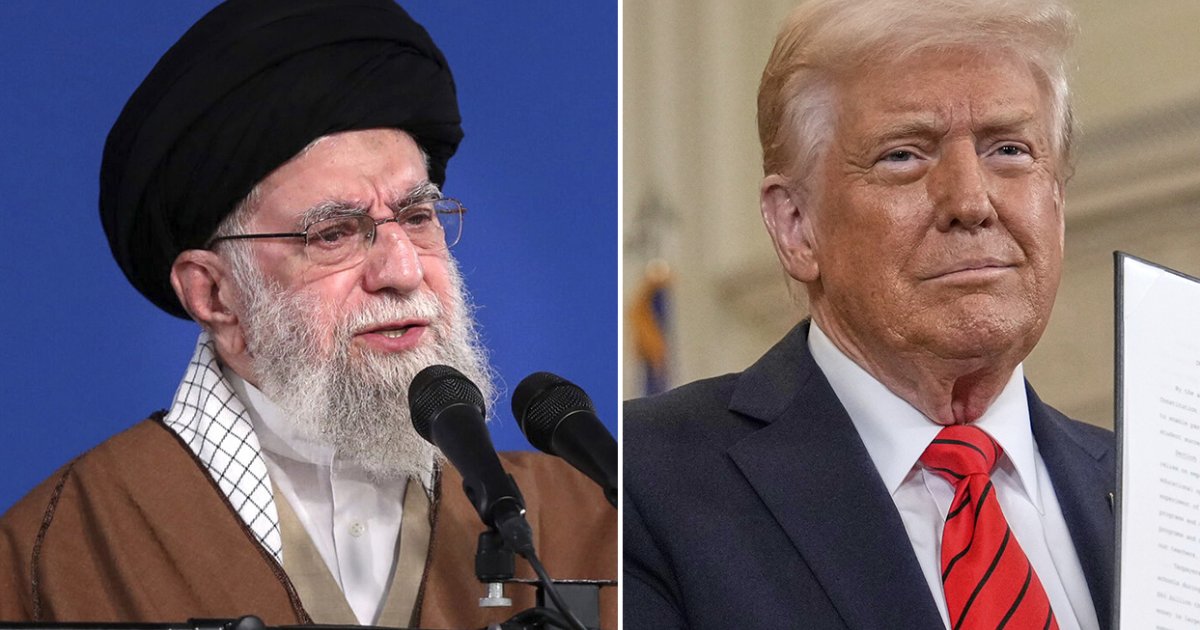
Former U.S. President Donald Trump asserted that Iran has become militarily incapable and can no longer respond to the threats it faces. These statements were made during a television interview, where Trump noted that Iran's military situation has deteriorated significantly.
Trump, who served as President from 2017 to 2021, criticized the current administration's policy towards Iran, emphasizing that the economic and military pressures imposed on Tehran have greatly affected its ability to respond. He considered this situation a reflection of the failures of previous strategies in dealing with the Iranian issue.
Details of the Event
In the interview, Trump discussed a range of issues related to U.S. foreign policy, indicating that Iran no longer represents the threat it once did. He explained that the pressures imposed by economic sanctions, along with internal tensions, have contributed to the decline of Iran's military power.
Trump also pointed out that the previous U.S. administration had taken decisive steps to limit Iran's influence in the region, including withdrawing from the nuclear agreement and reimposing sanctions. Nevertheless, Trump believes that the current situation requires more caution and strategic planning.
Background & Context
Historically, relations between the United States and Iran have been marked by increasing tensions since the 1979 Iranian Revolution. These tensions have particularly escalated following the U.S. withdrawal from the nuclear agreement in 2018. Since then, Washington has imposed strict sanctions on Tehran, affecting its economy and leading to a deterioration of its military capabilities.
Despite the challenges facing Iran, some analysts believe that Tehran still possesses tools of influence in the region, including its support for militias in Iraq, Syria, and Lebanon. These dynamics make it difficult to predict how events will unfold in the future.
Impact & Consequences
Trump's remarks come at a time when the Middle East is experiencing increasing tensions, especially with the escalation of conflicts in Iraq and Syria. Some observers believe that the decline of Iran's military power could lead to shifts in the balance of power in the region, potentially opening the door for new moves by the United States and its allies.
Additionally, these statements may impact future negotiations regarding Iran's nuclear program, as Washington might leverage this decline as a means to pressure Tehran into reaching new agreements. However, some experts warn that these dynamics could also lead to an escalation of tensions if Iran feels cornered.
Regional Significance
Trump's statements are particularly significant for Arab countries, as the decline of Iran's military power could affect regional stability. Many Arab nations, especially those facing threats from Iran, are closely monitoring developments in this context.
The reduction of Iranian influence could enhance cooperation between Arab states and the United States, potentially contributing to greater stability in the region. However, these countries must remain cautious of potential Iranian reactions, which may include an escalation of military activities or support for militias in the area.
In conclusion, Trump's remarks about Iran reflect a state of uncertainty in regional politics, necessitating careful monitoring of upcoming developments.