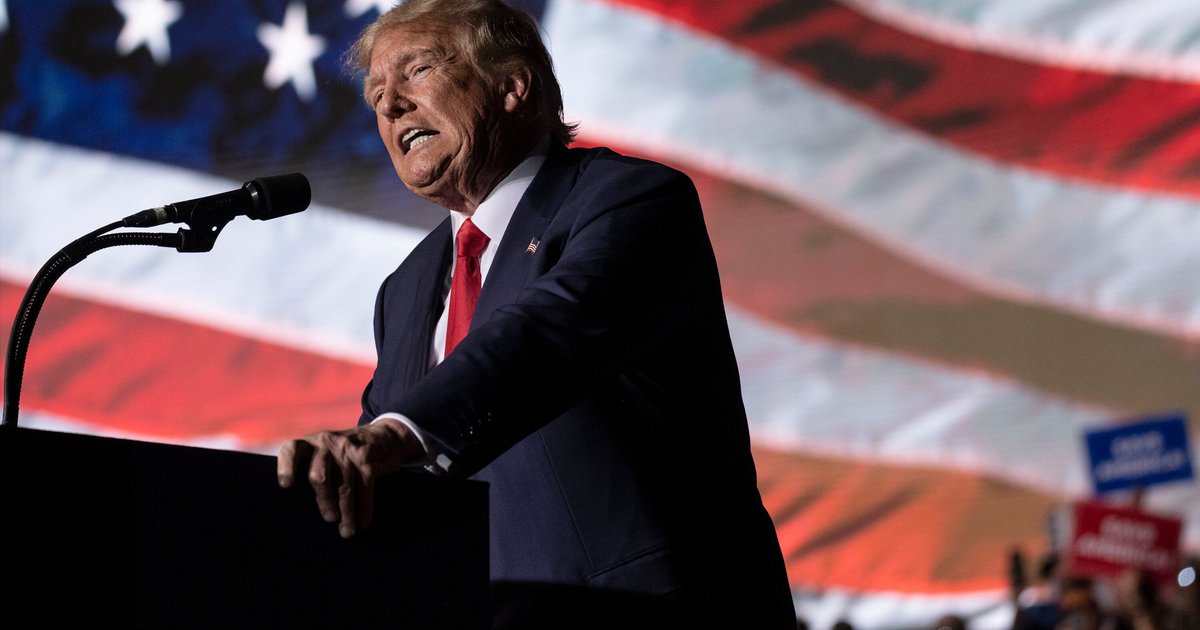
In a historic event, U.S. President Donald Trump attended Supreme Court discussions, marking a first for a sitting president. The discussions focus on the rights of undocumented migrant children, protected under the Fourteenth Amendment of the U.S. Constitution. This amendment states that all persons born in the United States are citizens, regardless of their parents' legal status.
The discussions come at a sensitive time for U.S. immigration policies, as Trump seeks to reconsider certain laws that protect the rights of migrant children. This topic has sparked widespread debate in political and legal circles, with many human rights advocates arguing that any changes to these laws could negatively impact the lives of millions of children.
Details of the Event
The discussions revolve around a government decree aimed at altering the rights of children born to undocumented parents. Trump has indicated on several occasions the need to change immigration-related laws, claiming that these laws encourage illegal immigration. Several prominent judges attended the discussions, who will evaluate the decree based on the U.S. Constitution.
This move by Trump is seen as part of his broader strategy to curb illegal immigration, which was one of his key campaign promises. These policies have drawn widespread criticism from human rights organizations, which argue that such changes could lead to serious violations of children's rights.
Background & Context
Historically, the United States has been considered a safe haven for immigrants, with the rights of migrant children enshrined in the U.S. Constitution for over 150 years. However, recent years have seen a rise in political tensions surrounding immigration issues, particularly with Trump's ascent to power.
In 2016, Trump promised to end the policy of "birthright citizenship," which guarantees rights to children born in the United States. This promise has raised concerns among many immigrant families, who fear that these policies could lead to the separation of their families.
Impact & Consequences
If the rights of migrant children are modified, it could have significant repercussions on American society. This may increase the number of children living in uncertainty, affecting their mental and educational well-being. Additionally, these changes could heighten tensions between local communities and immigrants.
Legally, the United States may face new challenges in the courts, as any legal changes regarding children's rights are likely to be contested. This could lead to a series of legal battles that may last for years.
Regional Significance
Immigration and migrant rights are critical issues in the Arab region, where many countries are experiencing humanitarian crises due to conflicts and wars. U.S. immigration policies may affect Arab migrants, especially those seeking to live in the United States.
Moreover, any changes in U.S. policies could impact relations between the United States and Arab countries, as some nations may view these policies as discriminatory against Arab migrants.
In conclusion, the Supreme Court discussions on the rights of migrant children represent a turning point in American politics, potentially having profound effects on both American society and migrants alike.