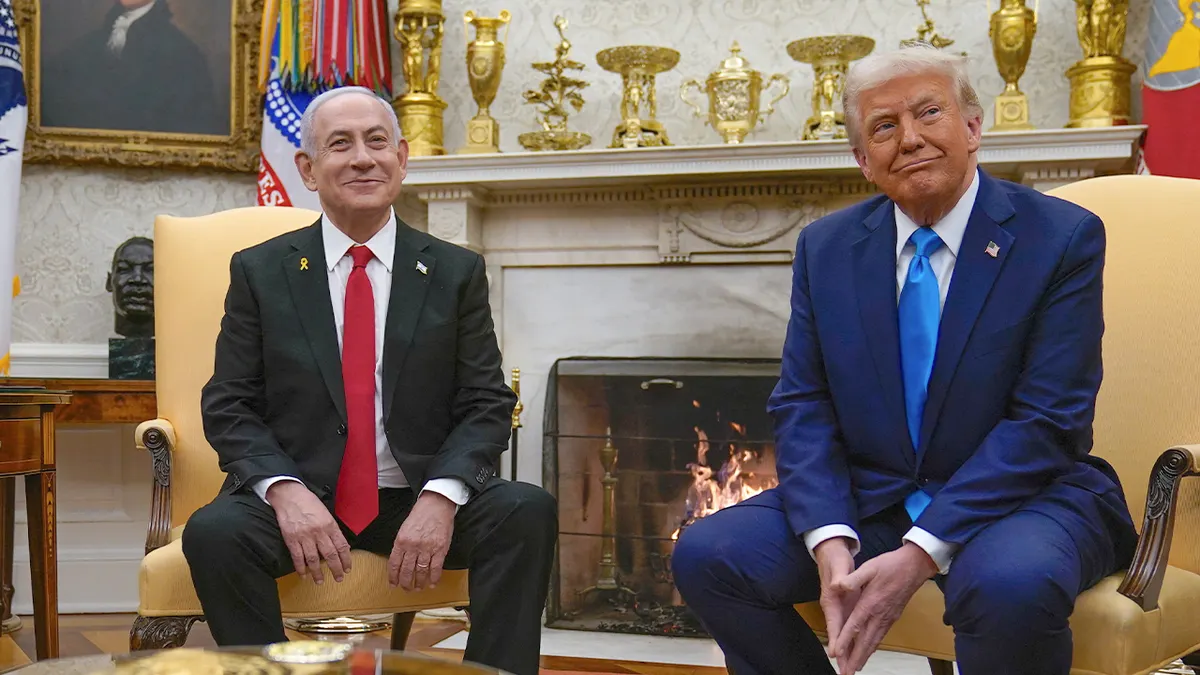
Former U.S. President Donald Trump described the agreement with Iran as a 'complete victory,' indicating that this deal represents a positive step towards achieving stability in the region. In contrast, Israeli Prime Minister Benjamin Netanyahu asserted that the agreement does not encompass Lebanon, reflecting Israeli concerns about the implications of this deal on national security.
These statements emerge amidst escalating tensions in the Middle East, as Trump seeks to bolster his position as a global leader in foreign policy, while Netanyahu attempts to reassure his citizens regarding any potential threats arising from this agreement.
Details of the Agreement
In remarks to the media, Trump expressed optimism about the outcomes of the agreement, stating that it would help reduce tensions between Iran and Western nations. He emphasized that this achievement is the result of intensive diplomatic efforts and reflects the United States' ability to influence global issues.
On the other hand, Netanyahu stressed that the agreement does not address issues related to Lebanon, raising questions about how it might impact Hezbollah and the ongoing conflict in the region. He noted that Israel would remain vigilant to confront any threats that may arise as a result of this agreement.
Background & Context
Historically, relations between Iran and the United States have been strained, particularly following Trump's withdrawal from the nuclear agreement in 2018. Since then, the region has witnessed numerous developments, including an increase in Iranian military activities in Iraq and Syria.
Additionally, Lebanon, which is grappling with economic and political crises, serves as a battleground for regional powers, with Hezbollah playing a pivotal role in this context. Therefore, any agreement that may affect regional dynamics will have significant repercussions.
Impact & Consequences
This agreement could lead to a shift in the balance of power in the Middle East, as Iran may seek to enhance its influence in the region. Simultaneously, neighboring countries, including Israel, may perceive a greater threat, potentially escalating military tensions.
Moreover, this agreement could impact relations between the United States and its allies in the region, necessitating a reassessment of their security and military strategies. This could open the door for further dialogue or escalation, depending on how the involved parties respond.
Regional Significance
Given the current situation, the impact of this agreement may extend to neighboring Arab countries, where some nations may feel apprehensive about the strengthening of Iranian influence. This could lead to new alliances or a reconfiguration of existing partnerships in the region.
Ultimately, the question remains about how this agreement will affect regional stability and whether it will contribute to peace or lead to further conflicts. The challenges facing the region require ongoing diplomatic efforts and cooperation among nations to achieve security and stability.