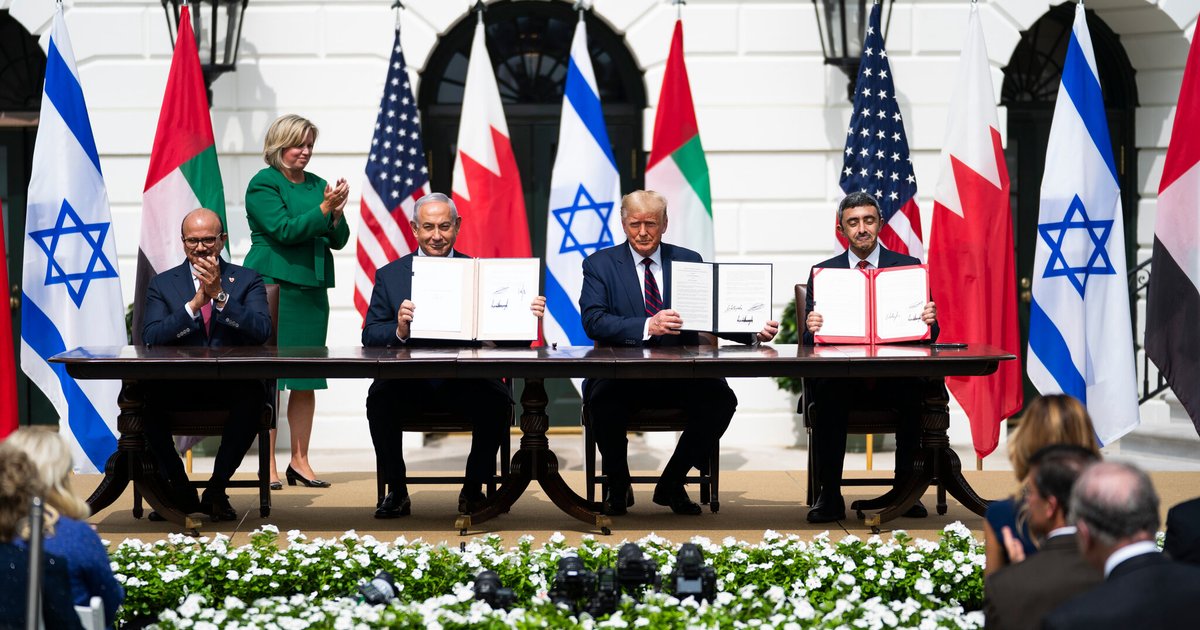
The White House has disclosed that President Donald Trump is aiming to invite a number of Arab countries to contribute to the costs of war, as part of the U.S. administration's efforts to ease the financial burdens stemming from military conflicts. These statements come at a sensitive time, as pressure mounts on the United States to reduce military spending amid global economic crises.
The U.S. administration is seeking to enhance cooperation with Arab nations, viewing this move as part of a broader strategy aimed at strengthening regional partnerships and alleviating financial burdens on the United States. White House officials have indicated that Trump believes Arab nations have the capacity to contribute more significantly to the costs of military operations.
Details of the Initiative
This announcement comes at a time when the region is experiencing increasing tensions, with conflicts escalating in several countries such as Syria, Libya, and Yemen. The White House has noted that Trump intends to discuss this issue with leaders of Arab nations during upcoming meetings. This move is seen as an attempt to expand military and economic cooperation between the United States and Arab countries.
Additionally, there are growing calls from some members of the U.S. Congress to increase pressure on Arab nations to contribute to war costs, reflecting a shift in American policy towards regional partnerships. It is believed that this step could lead to changes in how military conflicts are managed in the region.
Background & Context
Historically, the United States has relied heavily on financial and military support from Arab nations in various contexts. However, the economic challenges facing the U.S., particularly following the COVID-19 pandemic, have prompted a reevaluation of its military strategies. Previous reports have indicated that the costs of American wars in the Middle East have surpassed trillions of dollars, making it essential to seek alternative funding sources.
In recent years, relations between the United States and Arab nations have fluctuated, with attempts to enhance cooperation in security and economic fields. Nevertheless, political and economic challenges may hinder these efforts, making it difficult to achieve common goals.
Impact & Consequences
If the United States succeeds in convincing Arab nations to contribute to war costs, it could lead to a shift in regional dynamics. This step may enhance cooperation between the U.S. and Arab countries, but it could also provoke negative reactions from some nations that may feel compelled to bear additional burdens.
Moreover, these calls could escalate tensions between the United States and certain countries that may reject these demands. There are also concerns that this policy could exacerbate humanitarian crises in conflict-affected areas.
Regional Significance
Trump's invitation is seen as a test of the relationships between the United States and Arab nations. If Arab countries respond positively, it could lead to strengthened security and economic cooperation; however, if this invitation is met with rejection, it may strain relations further.
Ultimately, the question remains as to how Arab nations will respond to this invitation and whether they will view it as an opportunity to enhance cooperation with the United States or see it as an additional burden amid the economic and political crises they face.