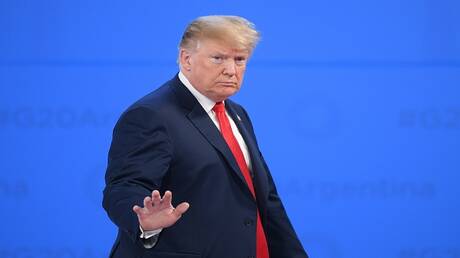
In a controversial statement, U.S. President Donald Trump labeled American citizens opposing the ongoing military campaign against Iran as 'fools' and 'idiots'. This remark came during his discussion on the necessity of supporting military operations conducted by the United States in the region, igniting a widespread debate among his supporters and opponents.
These statements emerge at a sensitive time, as tensions between the United States and Iran escalate, increasing the divide within American society regarding foreign policy. Many observers have deemed this statement as reflecting an intolerance for dissenting opinions, further exacerbating the political polarization in the country.
Details of the Statement
During a press conference, Trump indicated that those opposing the war on Iran do not recognize the risks faced by the United States, asserting that supporting military operations is the only option to safeguard national security. This statement followed a series of attacks targeting American interests in the region, prompting the U.S. administration to take military action.
It is noteworthy that Trump has faced widespread criticism from some members of Congress, who believe his remarks disregard the concerns of citizens expressing anxiety over escalating conflict. Some have called for the necessity of diplomatic dialogue instead of military escalation.
Background & Context
Historically, U.S.-Iranian relations have seen increasing tensions since the Islamic Revolution in 1979. These tensions have led to several military conflicts, including wars in Iraq and Afghanistan. In recent years, these tensions have notably intensified, especially following the U.S. withdrawal from the Iranian nuclear deal in 2018.
The current military campaign is viewed as part of a broader strategy aimed at containing Iranian influence in the region. However, this strategy faces significant challenges, including negative reactions from U.S. allies in the region, as well as potential risks of escalating conflict.
Impact & Consequences
Trump's statements may exacerbate divisions within American society, as many citizens feel unheard. This division could impact upcoming elections, with each side seeking to bolster its support base by leveraging these remarks.
Moreover, these statements could affect U.S. relations with its allies in the region, who may feel concerned about escalating conflict. This could lead to a reassessment of their security and military strategies in the face of Iranian threats.
Regional Significance
Tensions between the United States and Iran directly impact security and stability in the Arab region. Many Arab countries view Iran as a threat to their national security, prompting them to support U.S. policies in the area. However, military escalation could provoke backlash, potentially increasing the popularity of Iran-backed groups in some Arab nations.
Ultimately, the question remains regarding how these statements will influence the future of U.S. foreign policy towards Iran, and whether they will lead to escalated conflict or open channels for dialogue. Under these circumstances, the situation in the region remains complex and continuously evolving.