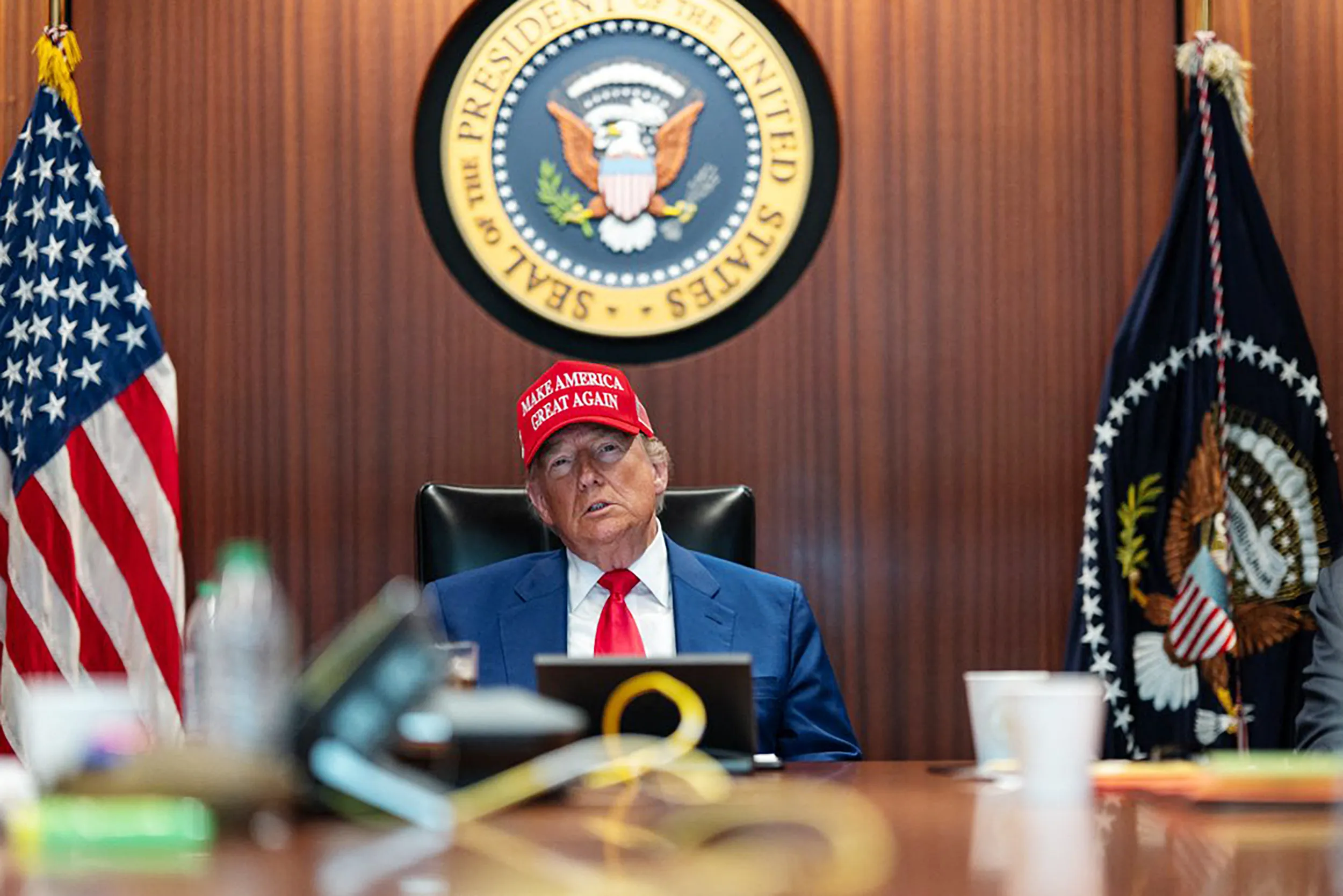
In a dramatic announcement, U.S. President Donald Trump revealed that the U.S. military successfully rescued the second pilot from an F-15E fighter jet that was shot down in Iran, calling the operation an "unprecedented achievement." This statement was made in a post on his Truth Social platform, where he confirmed that the pilot had been missing since the aircraft's crash.
The American search and rescue operation commenced following the jet's downing, with Iran offering a reward for anyone who could deliver the pilot. In this context, Trump noted that the operation involved "dozens of aircraft" and that the United States was monitoring the location of the missing pilot "around the clock."
Details of the Rescue Operation
Trump clarified that the rescued pilot is now safe and in good health, despite sustaining serious injuries. He praised the pilot's bravery, mentioning that he was trapped behind enemy lines in the mountains of Iran, where Iranian forces were intensively pursuing him. He also indicated that this operation followed the rescue of another pilot on Friday, but he refrained from announcing it at the time to avoid jeopardizing the second operation.
In an interview with NBC, Trump pointed out that such operations are rare, stating, "They usually don’t happen because they are considered impossible." He described the rescue as one of the "boldest search and rescue operations in the nation’s history."
Background & Context
This incident occurs amid escalating tensions between the United States and Iran, with the ongoing war since February 28 resulting in thousands of deaths and significant destruction of infrastructure. This conflict began with a large-scale attack by the United States and Israel on Iranian territory, leading to major economic and political repercussions in the region.
The downing of the American fighter jet marks the first incident of its kind since the onset of the conflict, complicating the situation in the region further. This event has raised international concerns about potential military escalation and its impact on regional security.
Impact & Consequences
The successful rescue operation demonstrates the U.S. military's capability to conduct complex operations in conflict zones, which may strengthen the United States' position in future negotiations with Iran. Additionally, this operation could boost the morale of U.S. forces and enhance their confidence in their ability to protect their personnel.
On the other hand, these events may lead to heightened tensions between the U.S. and Iran, as Iran might take retaliatory actions or increase its military activities in the region. Such escalation could negatively affect regional security and increase the risk of new conflicts.
Regional Significance
Arab countries are directly affected by the escalating tensions between the U.S. and Iran, as any military escalation could destabilize the region. Furthermore, these events may impact oil markets and fuel prices, reflecting on Arab economies.
In light of these circumstances, Arab nations must adopt cautious stances and carefully assess the situation, as any escalation could lead to unforeseen consequences for security and stability in the region.
In conclusion, the rescue of the American pilot in Iran stands out as a significant event reflecting the increasing tensions in the region and underscores the importance of enhancing diplomatic efforts to avoid further military escalation.