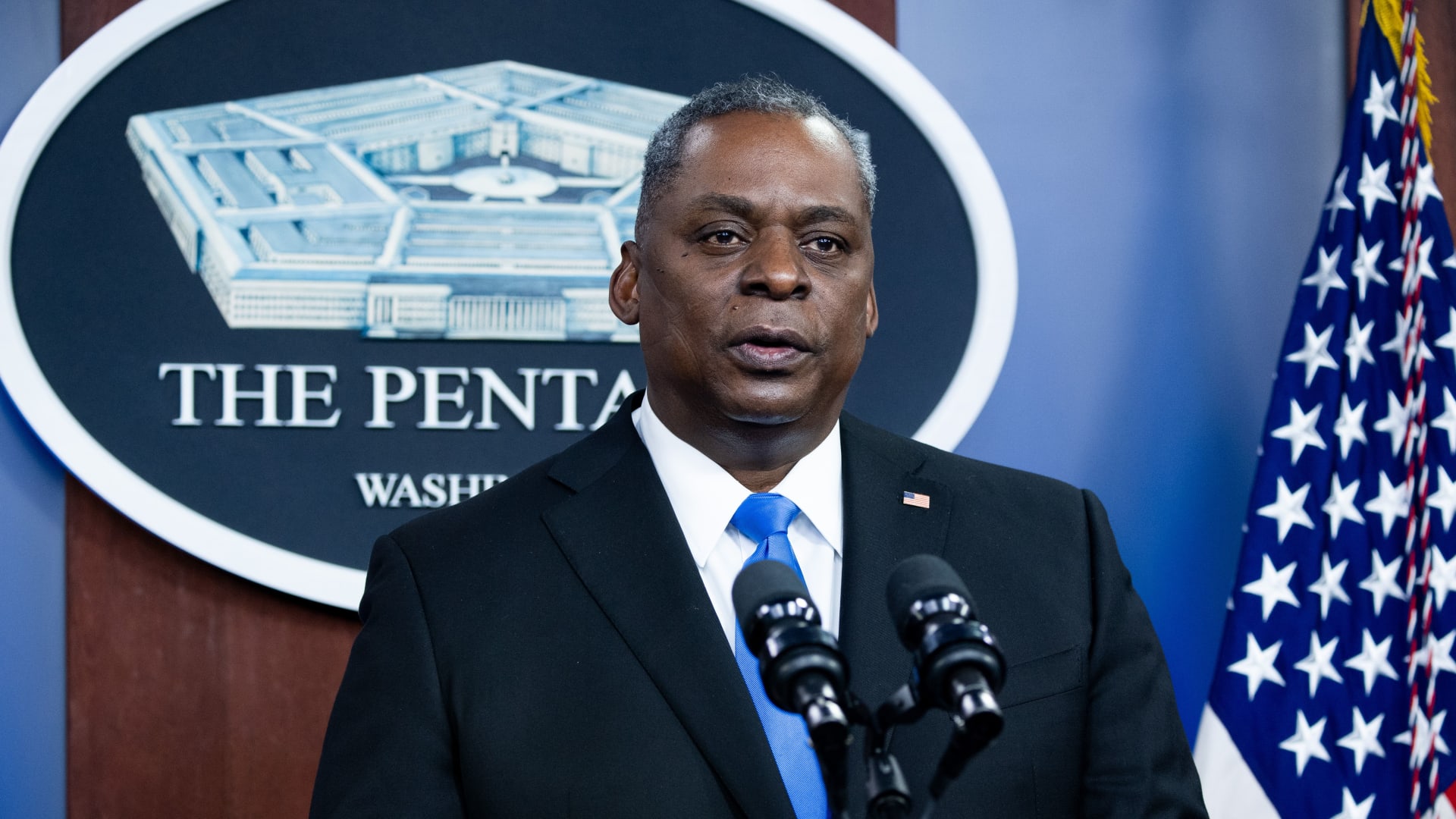
In a controversial statement, U.S. Defense Secretary Peter Hagsath asserted that President Donald Trump possesses the authority to resume military pressure on Iran without requiring Congress's approval, despite the U.S. administration surpassing the legally mandated 60-day deadline under the War Powers Act of 1973. These remarks were made during a hearing before the Senate Appropriations Committee, where discussions centered on the proposed budget of approximately $1.5 trillion for the fiscal year 2027.
Although the U.S. administration announced last May that hostilities against Iran had ceased, Hagsath clarified that should Trump decide to resume pressure, he would have all the necessary authorities to do so. He emphasized that the president has full powers under Article II of the U.S. Constitution, which outlines presidential powers.
Details of the Hearing
During the session, Senator Lisa Murkowski from Alaska questioned Hagsath about whether it would be beneficial for the president to clarify that Congress had granted a mandate for military force. However, Hagsath insisted that the president possesses all the necessary authorities under the Constitution.
These statements come at a sensitive time, as negotiations between the U.S. and Iran continue amid ongoing tensions. The conflict with Iran, which has entered its third month, has led to a global rise in oil prices, as Iran continues to close the Strait of Hormuz, which previously carried 20% of the world's oil before the conflict began.
Background & Context
The War Powers Act was enacted to ensure that Congress has a say in military engagements, aiming to prevent presidents from unilaterally engaging in prolonged conflicts without legislative oversight. Hagsath's comments reflect a broader debate about the balance of power between the executive and legislative branches in matters of foreign policy.
Historically, U.S.-Iran relations have been fraught with tension, particularly since the 1979 Iranian Revolution. The ongoing negotiations and military posturing illustrate the complexities of diplomacy in a region marked by instability and conflict.
Impact & Consequences
The implications of Hagsath's statements could be significant, as they may embolden the Trump administration to take a more aggressive stance towards Iran. This could lead to further escalation of military actions, impacting regional stability and international relations.
Moreover, the potential for increased military engagement could exacerbate the already volatile situation in the Middle East, affecting not only U.S. interests but also those of its allies in the region. The rise in oil prices due to these tensions could also have a ripple effect on the global economy, particularly for countries reliant on oil imports.
Regional Significance
The situation in the Middle East remains precarious, with Iran's actions in the Strait of Hormuz posing a significant threat to global oil supply. The U.S. response to Iranian provocations will be closely monitored by other nations, as it could set a precedent for future military engagements.
As the U.S. navigates its foreign policy strategy, the balance of power and the role of Congress in authorizing military action will continue to be a contentious issue. The outcome of these tensions will likely shape the future of U.S.-Iran relations and influence broader geopolitical dynamics.