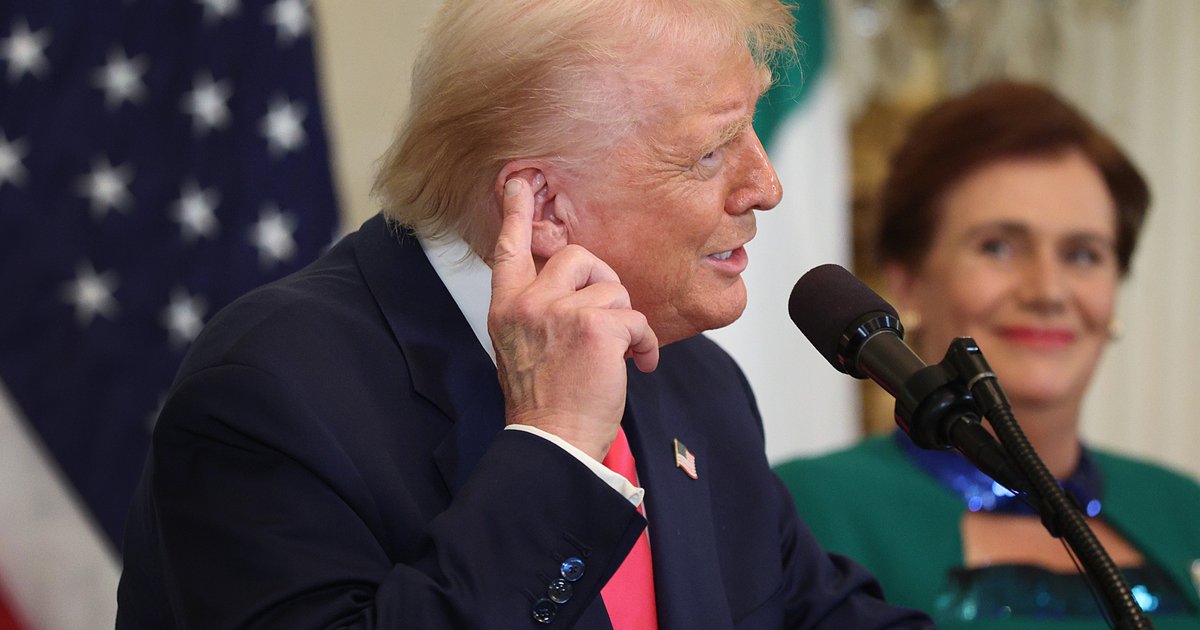
In a surprising move, President Donald Trump has canceled the mission of special envoys Steve Witkoff and Jared Kushner to Pakistan, which was intended for negotiations with Iranian officials. This decision was made on April 25, with Trump stating: "You are not going to take an 18-hour trip just to go there. We have all the cards."
Trump further added that he sees no point in this trip, indicating that negotiations would not yield tangible results. He also clarified that canceling the mission does not mean the United States will resume attacks against Iran, according to reports from Axios.
Details of the Cancellation
As U.S.-Iranian negotiations were stalling, Trump pointed out the presence of divisions and confusion among Iranian leaders, making the negotiation process require more time and effort. He explained that "no one knows who the actual leader is, not even they themselves," adding, "If they want to talk, they should just call."
Despite the cancellation of the mission, Trump affirmed that the United States remains open to dialogue with Iran, reflecting Washington's desire to find a diplomatic solution to the ongoing crisis.
Background & Context
This development comes at a sensitive time, as U.S.-Iranian relations have been increasingly strained following a series of reciprocal attacks. On February 28, the United States and Israel conducted strikes on Iranian targets, resulting in civilian casualties and the destruction of facilities. A ceasefire was agreed upon for two weeks starting April 7, but talks in Islamabad ended without any progress.
Subsequently, the United States imposed a blockade on Iranian ports while mediators attempted to organize a new round of negotiations. This situation reflects the rising tensions in the region, raising concerns about a potential military escalation.
Impact & Consequences
The cancellation of the envoys' mission may negatively affect peace efforts in the region, as Pakistan was playing a mediating role in the U.S.-Iranian talks. This decision may also reflect the growing distrust between the United States and Iran, complicating future negotiations.
Furthermore, the ongoing tensions between the United States and Iran could exacerbate conditions in the region, impacting the stability of neighboring countries and intensifying existing conflicts.
Regional Significance
The implications of this decision are significant, as it highlights the increasing tensions between the United States and Iran and its effects on peace efforts in the region. The cancellation of the mission raises questions about the future of diplomatic relations and the potential for conflict escalation.
In conclusion, the decision to cancel the envoys' mission underscores the complexities of U.S.-Iran relations and the challenges ahead in achieving a peaceful resolution to the ongoing crisis.