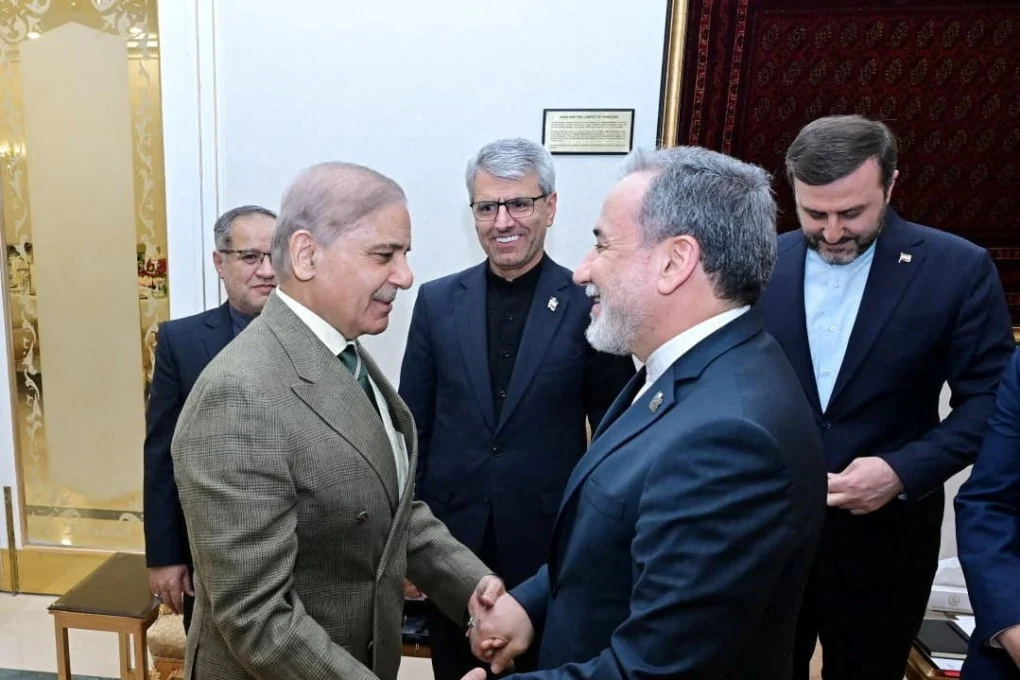
In a surprising move, President Donald Trump ordered his negotiating team on Saturday not to travel to Pakistan for talks aimed at ending the eight-week war. This conflict has significantly impacted the global economy, prompting the world to watch for any new developments.
Trump clarified in his social media statements that he does not want to waste any more time traveling, indicating that there is much work to be done. He instructed Steve Witkoff, the special envoy, and his son-in-law Jared Kushner to remain in the United States until Tehran takes positive steps.
Details of the Event
This decision comes at a sensitive time, as tensions between the United States and Iran are escalating, complicating the political landscape in the region. The planned visit aimed to explore ways to reach a peace agreement, but Trump's decision reflects a lack of confidence in the possibility of making progress in the talks.
This war is one of the conflicts that have greatly affected the global economy, leading to rising oil prices and increased tensions in financial markets. Pakistan had hoped to play a mediating role in this crisis, but the cancellation of the visit reflects the ongoing instability in international relations.
Background & Context
Historically, relations between the United States and Iran have been tense, especially after the U.S. withdrawal from the nuclear agreement in 2018. Since then, tensions have escalated significantly, leading to a series of events that have increased instability in the region.
Pakistan is considered a strategically important country in this equation, as it seeks to balance its relations with both the United States and Iran. There have been previous attempts by Pakistan to mediate in regional disputes, but recent events may complicate these efforts.
Impact & Consequences
Trump's decision demonstrates a reluctance to engage in talks that may not yield tangible results, potentially heightening tensions in the region. This decision may also affect U.S. relations with its allies in the region, who hope for greater stability.
Concerns are growing that the continuation of the conflict could lead to military escalation, which would further impact the global economy. There is also worry that these conditions could exacerbate humanitarian crises in the areas affected by the conflict.
Regional Significance
For the Arab region, the rising tensions between the United States and Iran could lead to serious repercussions. Many Arab countries rely on regional stability to ensure their economic and political security. Any escalation in the conflict could negatively impact oil prices and financial markets.
Ultimately, the question remains about how these events will affect the future of international relations in the region. Will the involved parties be able to overcome this crisis and reach peaceful solutions?