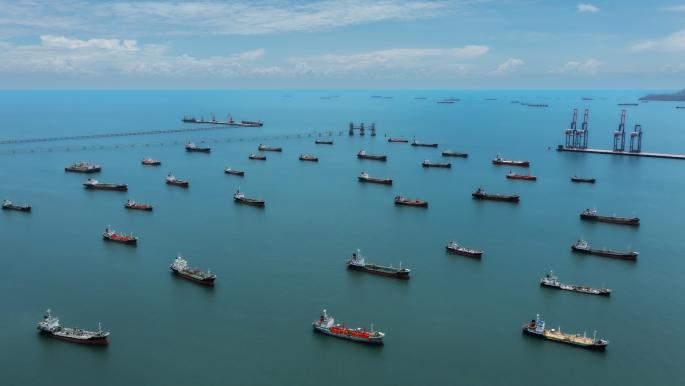
In a controversial statement, U.S. President Donald Trump claimed last Thursday that Iran permitted the passage of ten oil tankers through the Strait of Hormuz, flying the Pakistani flag. This allegation comes at a time when tensions between the United States and Iran are escalating, prompting questions regarding the accuracy of the information provided by Trump.
The Strait of Hormuz is a vital strategic point, through which approximately 20% of the world's total oil passes. In recent years, the region has witnessed increasing tensions, particularly following the U.S. withdrawal from the nuclear deal with Iran in 2018, which led to a rise in military and political conflicts.
Details of the Allegation
Trump's statements were made during a press conference, where he suggested that these tankers could be part of a new Iranian strategy to transport oil to global markets despite the sanctions imposed on it. Trump emphasized that this move reflects Iran's disregard for international laws and poses a threat to maritime security in the region.
In contrast, there have been no official confirmations from the Iranian government or any independent sources regarding the validity of these claims. This ambiguity raises concerns about the credibility of the information circulating in the media, especially given the current tensions.
Background & Context
For several years, the Strait of Hormuz has been a focal point of tension between Iran and the United States, with Washington accusing Tehran of threatening maritime navigation. In 2019, the region experienced a series of attacks on oil tankers, which heightened tensions further. In this context, Trump's allegations highlight the ongoing challenges faced by the region.
Moreover, there is a long history of conflicts in the area, where major powers have played a role in fueling disputes. The relationship between Iran and the United States has always been strained, particularly following the Islamic Revolution in 1979, which led to the severing of diplomatic relations between the two countries.
Impact & Consequences
If Trump's claims are proven true, this could escalate tensions in the region and provoke reactions from neighboring countries. Additionally, any potential military movements could impact global oil prices, adversely affecting the world economy.
Furthermore, these statements may increase pressure on the Iranian government, potentially prompting it to take escalatory steps in response to the United States. This scenario could lead to further instability in the region and increase the likelihood of military conflict.
Regional Significance
The Gulf Arab states, particularly Saudi Arabia and the United Arab Emirates, are among the most affected by tensions in the Strait of Hormuz. These countries heavily rely on oil exports through this vital corridor. Any escalation in tensions could impact oil supplies and drive up energy prices, negatively affecting their economies.
Moreover, these events could influence relations between Arab states and Iran, as some countries seek to improve relations with Tehran while others prefer a more hardline stance. Ultimately, the region remains on alert for what the upcoming developments may bring.
In conclusion, Trump's claims regarding the passage of oil tankers under the Pakistani flag remain a contentious topic that requires further verification and scrutiny. Given the current circumstances, the situation in the Strait of Hormuz is under close observation, as fears of a potential escalation in the region grow.