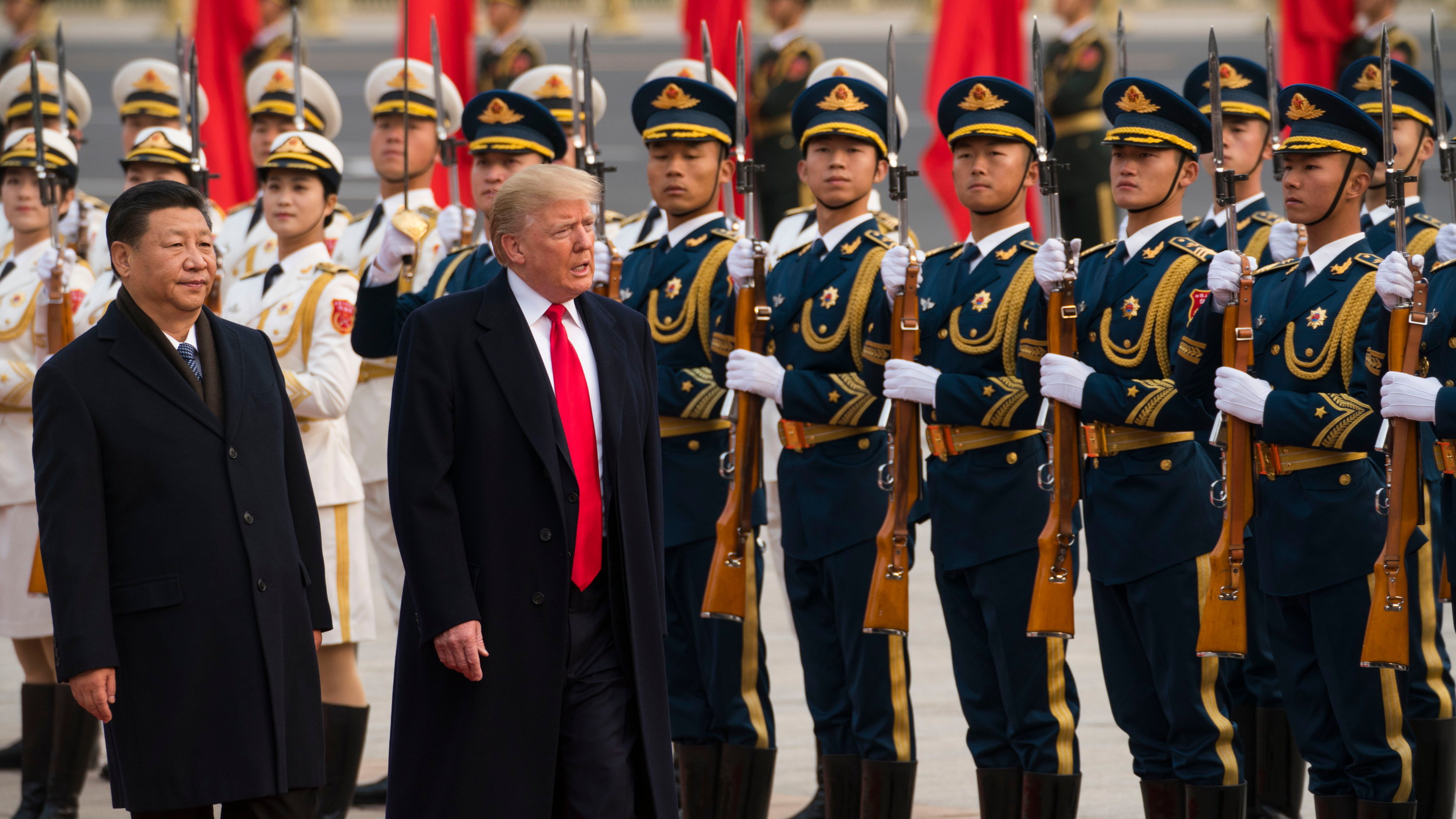
U.S. President Donald Trump has confirmed his intention to travel to China as scheduled in mid-May, despite the challenges he faces on the international stage, particularly regarding negotiations with Iran. In his statements to reporters, Trump described the visit as an "amazing event," highlighting the importance of meeting with Chinese President Xi Jinping.
The visit was initially postponed from March to May due to escalating tensions with Iran, as Trump seeks to achieve diplomatic progress amid increasing domestic pressures. Trump expressed dissatisfaction with Iran's recent offer, reflecting the complexity of the situation in the region.
Details of the Event
Trump's visit to Beijing is considered a strategic move aimed at managing risks between the two superpowers in light of changing global conditions. Chinese analysts view this visit as essential to prevent a complete breakdown in strategic supply chains, such as rare earth metals, and to prevent China from supplying weapons to Iran.
At the same time, China is focusing on Taiwan issues, considering it an integral part of its territory. Experts indicate that Trump is seeking to stabilize relations with China amid the absence of a clear exit from current conflicts, such as the war in Ukraine.
Background & Context
Historically, U.S.-China relations have experienced significant fluctuations, with economic issues intertwining with security concerns. In recent years, tensions have escalated due to trade and technological disputes, complicating the management of these relations. Trump's visit comes at a sensitive time as both sides seek to balance national interests with international pressures.
Moreover, the situation in the Middle East, particularly with Iran, adds complexity to the landscape. The United States aims to achieve stability in the region while facing challenges from other powers, making any diplomatic move with China particularly significant.
Impact & Consequences
Trump's visit to China carries significant implications for international relations. The tensions between the U.S. and Iran may affect trade negotiations between Washington and Beijing, as each side seeks to achieve diplomatic and economic gains. Any progress during this visit could contribute to easing tensions in the Pacific region.
On the other hand, new U.S. sanctions on Chinese companies may complicate relations further, as Beijing seeks to respond to these measures cautiously. Analysts believe that Trump aims to achieve diplomatic victories through this visit, which could impact his domestic standing amid political pressures.
Regional Significance
For the Arab world, U.S.-China relations play a crucial role in shaping economic and security policies. Tensions between the two powers may affect Chinese investments in the region, particularly in energy and infrastructure sectors. Additionally, any escalation in the U.S.-Iran conflict could negatively impact the region's stability.
In conclusion, Trump's visit to China remains a pivotal event that may contribute to shaping the future of international relations, reflecting the challenges faced by major powers in a changing world.