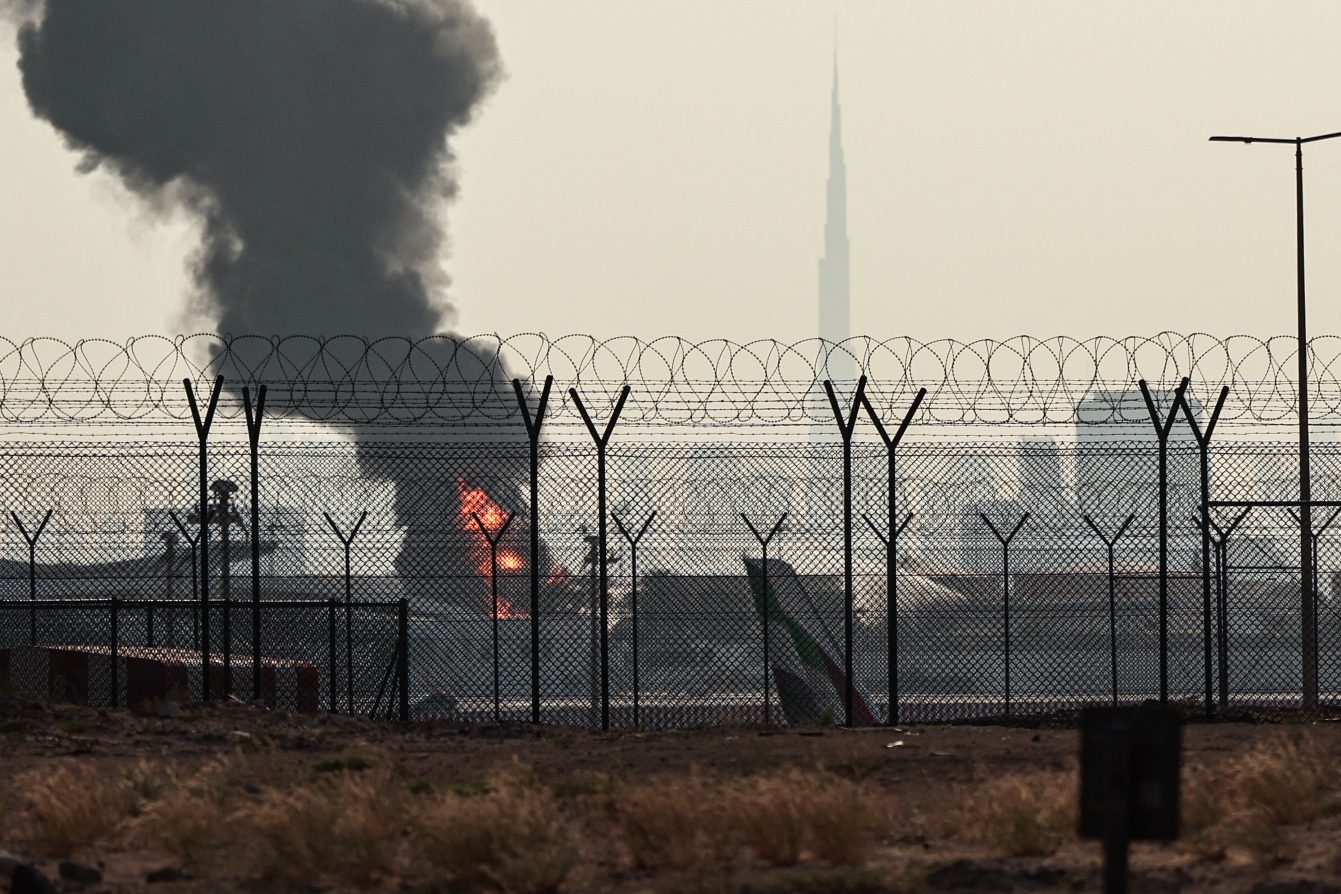
U.S. President Donald Trump announced in an interview with Fox News that he believes there is a 'good chance' to reach an agreement with Iran on various issues, indicating that negotiations are currently underway. Trump emphasized that time is of the essence, stating, 'If we do not reach an agreement quickly, I will consider destroying everything and seizing the oil.'
Trump's statements come at a sensitive time, as tensions between the United States and Iran escalate, particularly following Washington's withdrawal from the nuclear agreement in 2018. These remarks reflect Trump's hardline policy towards Iran, which includes imposing stringent economic sanctions.
Details of the Event
During the interview, Trump noted that negotiations with Iran are progressing, but he did not specify precise details about what a potential agreement might entail. It appears that the U.S. president is pressuring Tehran to make concessions in areas including its nuclear program and regional policies.
These comments arise amid growing international concern over Iran's escalating nuclear activities, with reports indicating that Iran may be nearing uranium enrichment levels that would allow it to develop nuclear weapons. Such developments complicate the political landscape in the region.
Background & Context
Historically, U.S.-Iran relations have been strained since the Islamic Revolution in 1979. These relations have gone through several phases of escalation and de-escalation, but recent years have seen a notable increase in tensions, especially after the U.S. withdrew from the nuclear agreement.
In 2015, a nuclear agreement was reached between Iran and major world powers, aimed at curbing Iran's nuclear program in exchange for easing sanctions. However, Trump's withdrawal from the agreement led to the re-imposition of sanctions, adversely affecting the Iranian economy and heightening tensions.
Impact & Consequences
If an agreement is not reached, Trump's statements suggest the possibility of military escalation in the region. This could have serious repercussions for both regional and global security, as oil prices and financial markets may be significantly affected.
Moreover, any military escalation could exacerbate the humanitarian situation in Iran, which is already suffering from the effects of economic sanctions. It could also provoke strong reactions from Iran's allies in the region, such as Hezbollah in Lebanon and Shia militias in Iraq.
Regional Significance
U.S.-Iran relations directly impact countries in the region, with Gulf Arab states, particularly Saudi Arabia and the UAE, being among the most affected by the tensions between Washington and Tehran. Any escalation in these relations could lead to increased tensions in the Gulf, threatening the stability of the region.
Other Arab countries may find themselves compelled to align with one side or the other, further deepening political divisions in the region. In this context, Arab nations must closely monitor developments and be prepared to address any repercussions that may arise.