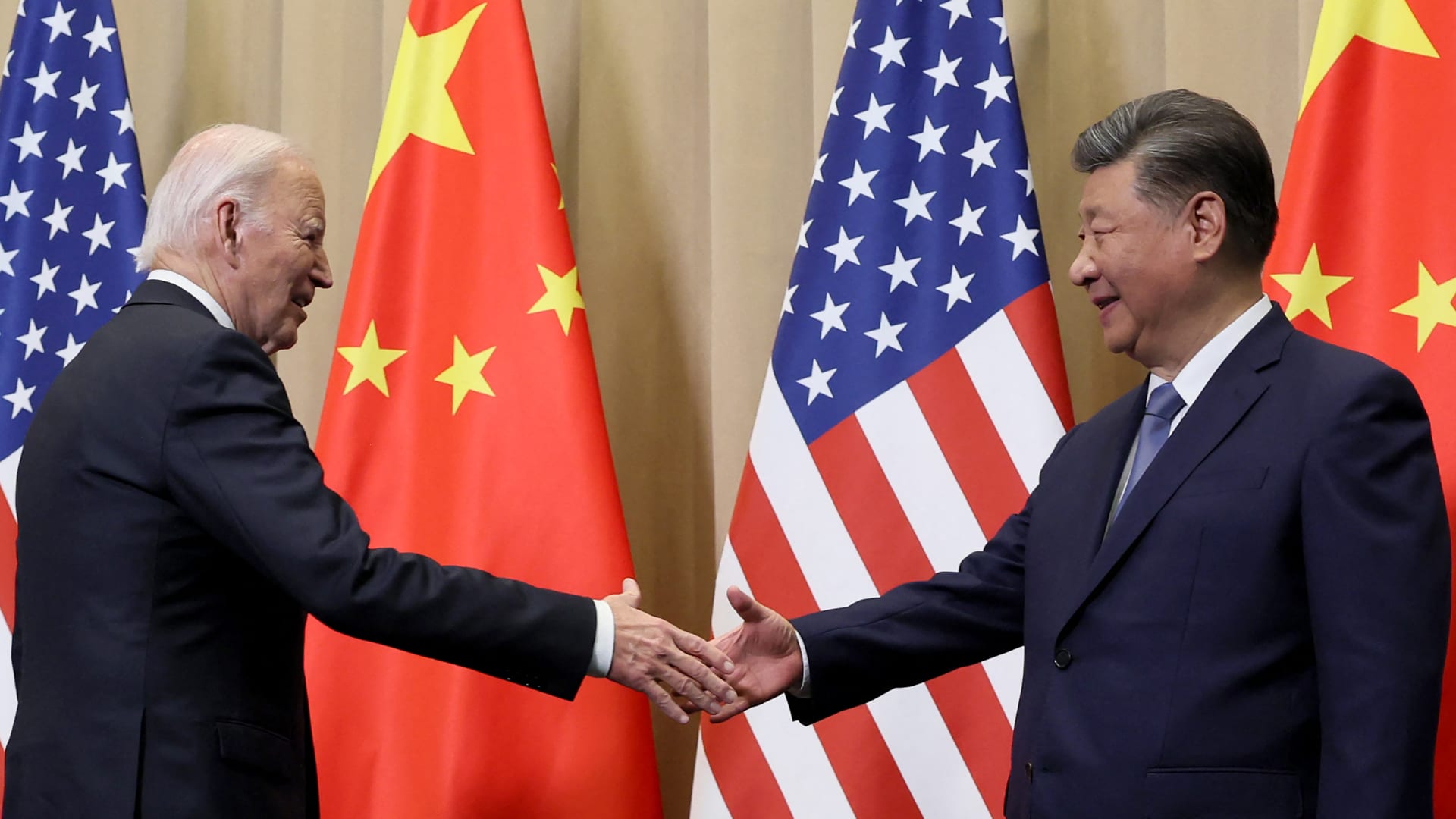
U.S. President Donald Trump has announced the date for his anticipated visit to China, where he is scheduled to meet with his Chinese counterpart Xi Jinping on May 14 and 15. This visit comes after a delay caused by the tense situation arising from the war between the United States and Iran, which has led to military escalations in the region.
This will be the first visit by a U.S. president to China since 2017, with Trump's last visit occurring in November of that year. Additionally, Trump is expected to host Xi Jinping in the U.S. capital of Washington later this year, as U.S. officials prepare for these historic visits.
Event Details
White House spokesperson Caroline Levitt confirmed that President Xi Jinping understood and agreed to Trump's request to postpone the visit. Levitt explained in a press conference that President Xi recognized the importance of Trump's presence in the United States during the current military operations.
Although Beijing has yet to confirm the specific dates for the visit, the Chinese Foreign Ministry indicated earlier this month that it is in talks with Washington regarding the timing of Trump's visit. The original visit was scheduled for March 31, but was postponed after the U.S. and Israel launched extensive strikes on Iran, resulting in the death of its top commander.
Background & Context
The history of relations between the United States and China is fraught with tensions, with key issues affecting the bilateral relationship including trade tensions, technological competition, and geopolitical strains. Since Trump took office, the relationship between the two countries has deteriorated significantly, with the U.S. taking actions against China in multiple areas, including trade and technology.
Trump's upcoming visit to China is seen as an important step in an attempt to ease tensions between the two nations. In this context, Chinese state media have published articles encouraging U.S. officials to visit China and engage with their Chinese counterparts, noting that the absence of official visits between the two countries is abnormal.
Impact & Consequences
Trump's visit comes at a sensitive time, as tensions in the Middle East escalate following Iranian attacks on Israel and its allied nations. These events have led to the closure of the Strait of Hormuz, a vital waterway for oil and natural gas trade, resulting in a global energy crisis.
Trump, who has called on U.S. allies to help reopen the strait, has also threatened Iran with attacks on energy infrastructure if it does not allow full access through the waterway. In this context, the outcomes of Trump's visit to China may influence the U.S. position in the ongoing conflict in the Middle East.
Regional Significance
The U.S.-China relationship holds particular significance for the Arab region, as both the United States and China play pivotal roles in Middle Eastern politics and economics. With rising tensions among major powers, the outcomes of Trump's visit could impact the stability of the region, especially in light of current crises.
Furthermore, cooperation between the United States and China could help alleviate tensions in the region, benefiting Arab nations striving for stability and development. Ultimately, Trump's visit to China remains a focal point for the world, as everyone awaits the results and implications it may have on international relations.