U.S. President Donald Trump is considering a complex military operation to extract approximately 1,000 pounds (450 kilograms) of uranium from inside Iran, according to American officials. This step carries significant risks and may necessitate the presence of American troops on Iranian soil for several days.
The Wall Street Journal reported that officials indicated Trump has not made a final decision yet and is weighing the risks that American soldiers may face. However, the president remains generally open to the idea, as it could help achieve his primary goal of preventing Iran from acquiring nuclear weapons.
Details of the Operation
According to an informed source, Trump has urged his advisors to pressure Iran to agree to hand over nuclear materials as a condition for ending the conflict. He clarified in discussions with his political allies that the Iranians cannot retain these materials and discussed the possibility of seizing them by force if Iran does not surrender them at the negotiating table.
On Sunday evening, Trump told reporters that Iran must comply with U.S. demands, or else “it will not have a country.” Referring to Iranian uranium, the U.S. president stated, “They will give us the nuclear dust.”
Background & Context
Before Israel and the United States launched a series of airstrikes on Iran in June of last year, it was believed that the country possessed over 400 kilograms of uranium enriched to 60%, and around 200 kilograms of fissile material enriched to 20%, which can be easily converted into 90% enriched uranium used in weapons.
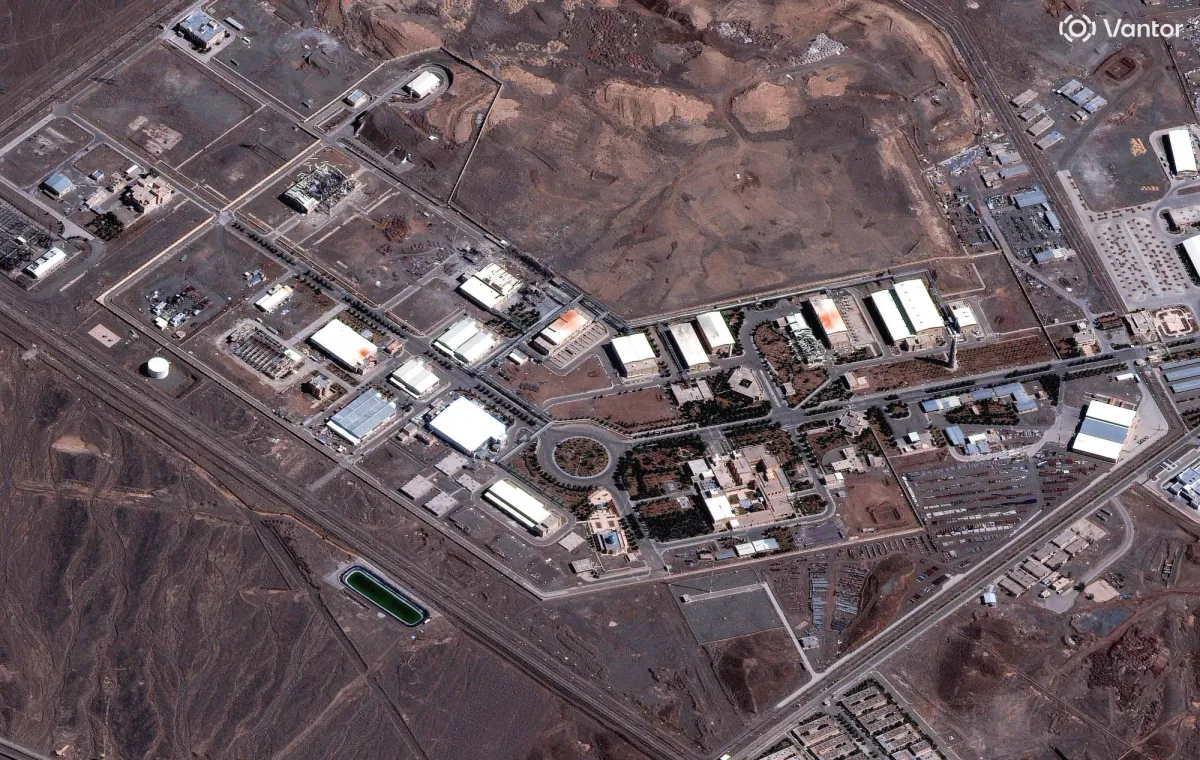
The Director General of the International Atomic Energy Agency, Rafael Grossi, stated that he believes the uranium is primarily located at two of the three sites attacked by the U.S. and Israel in June: an underground tunnel at the Isfahan nuclear complex and a storage facility in Natanz. Experts have indicated that the Iranians possess centrifuges for uranium enrichment and have the capability to establish an underground enrichment site.
Impact & Consequences
Former U.S. military officials and experts have stated that any move to seize uranium by force would be complex and dangerous, categorizing it among the most challenging operations ordered by Trump. This potential operation, which is likely to provoke an Iranian response, could extend the duration of the conflict beyond the publicly stated timeframe of 4 to 6 weeks set by Trump’s team.
It would require teams of U.S. forces to airlift to the sites, likely exposed to ground-to-air missile fire and Iranian drones. Once the combat forces arrive at the site, they would need to secure the perimeter to allow engineers equipped with drilling equipment to search through the debris and check for the presence of mines and explosive traps.
Regional Significance
Conversely, the diplomatic option remains on the table, as Washington prefers Iran to voluntarily agree to surrender the uranium to avoid military risks. The United States has previously extracted enriched uranium from foreign countries in a peaceful transfer, raising questions about the possibility of reaching a diplomatic agreement amid escalating tensions.
Attention is turning to potential Iranian reactions, with Iranian Parliament Speaker Mohammad Baqer Qalibaf warning that any American move could face a strong response. At the same time, the ongoing war in the Middle East continues to impact the global economy, complicating the political landscape in the region.