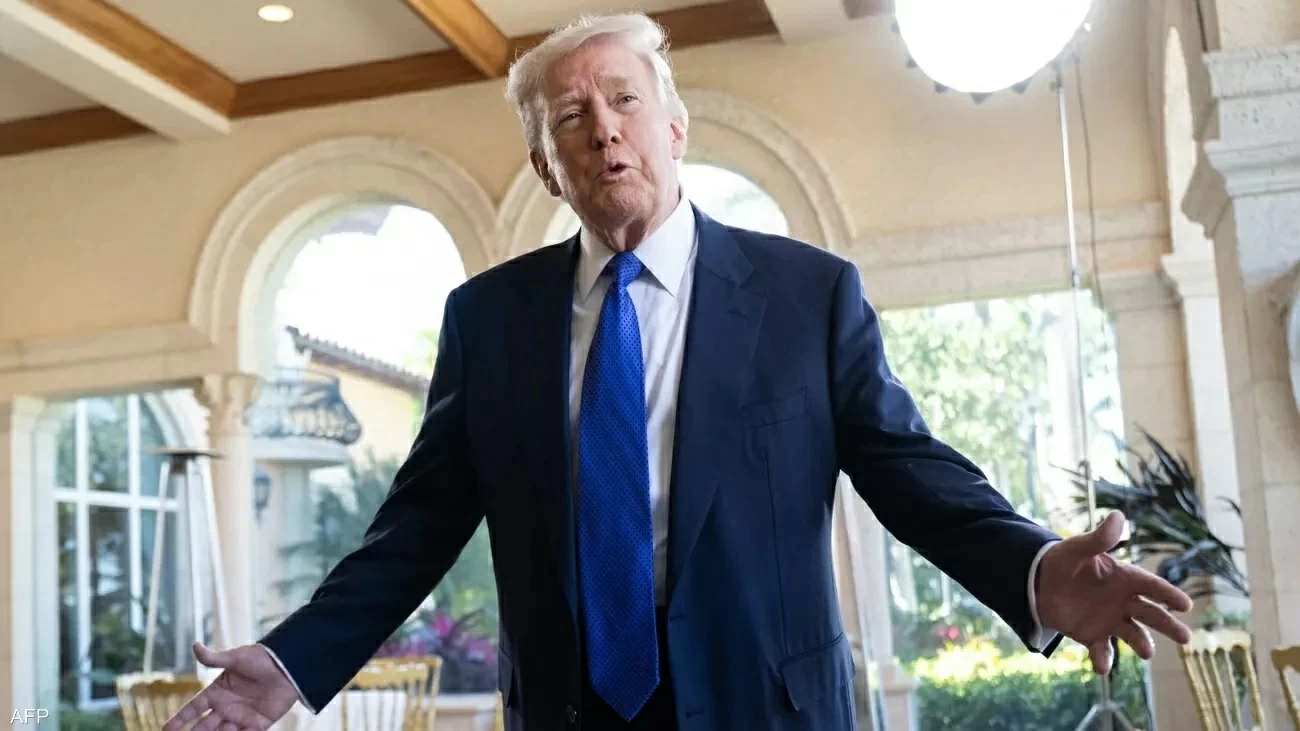
In a dramatic move that could reshape the landscape of international alliances, U.S. President Donald Trump announced he is seriously considering withdrawing from the North Atlantic Treaty Organization (NATO), citing his failure to obtain the necessary support from allies in his fight against Iran. Trump reiterated his description of NATO as a "paper tiger", reflecting his dissatisfaction with the alliance's performance during critical times.
During an interview with the British newspaper The Telegraph, Trump indicated that the issue of the United States' exit from the mutual defense treaty is no longer merely a reconsideration but has become more serious. He explained that the allies' refusal to send warships to reopen the Strait of Hormuz was evidence of NATO's unreliability as an ally.
Details of the Statement
When asked about the possibility of reconsidering U.S. membership in NATO after the conflict with Iran, Trump replied emphatically: "Yes, I can say that it has gone beyond just a reconsideration." He expressed his frustration over the lack of support from allies, stating: "I didn't ask them for much, and I didn't push too hard. It should have been automatic."
Trump specifically criticized Britain, pointing out that the Royal Navy is unable to perform the required tasks, describing its fleet as "outdated." He noted that British Prime Minister Keir Starmer is focused on other issues like renewable energy instead of enhancing defense capabilities.
Background & Context
Trump's statements come at a sensitive time, as tensions in the Middle East are escalating, particularly with Iran. Earlier, U.S. Secretary of State Marco Rubio indicated the need to reassess U.S. membership in NATO after the war in Iran, reflecting a decline in trust in the alliance.
In recent weeks, there have been increasing calls from within the United States to reform NATO's structure, as some believe that members who do not commit to funding should face consequences. Trump mentioned that he is considering restructuring the alliance to penalize non-compliant members.
Impact & Consequences
If the idea of withdrawing from NATO is implemented, it could destabilize international alliances and increase tensions between the United States and Europe. This decision may also open the door for Russia to enhance its influence in Europe, raising concerns among NATO member states.
On the other hand, such a withdrawal could bolster Iran's position in the region, as it would be seen as a diplomatic victory. Additionally, Arab countries may find themselves in a difficult position, needing to reassess their security and military strategies in light of potential U.S. support withdrawal.
Regional Significance
For Arab countries, Trump's statements reflect a potential shift in U.S. policy towards the region. A withdrawal from NATO could reduce U.S. military support for Arab nations, making them more vulnerable to security challenges.
Moreover, increasing tensions in the Strait of Hormuz could impact maritime navigation and trade in the region, negatively affecting the Arab economy. Under these circumstances, Arab nations will need to enhance their security and defense cooperation to face rising challenges.
In conclusion, the question about the future of NATO and the U.S. role in the world remains open, as concerns grow that this trend could lead to dire consequences for regional and international security and stability.