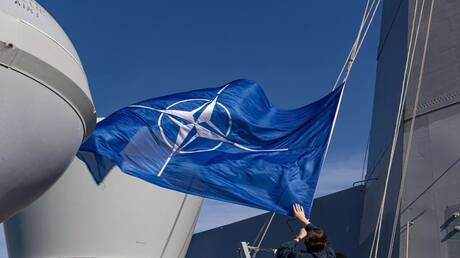
U.S. President Donald Trump announced that NATO does not meet the needs of the United States, stating that the alliance has let Washington down during critical times. Trump considers NATO to be 'disappointing,' as it has not provided adequate support to the U.S. during moments of urgent need.
Trump's statements come at a sensitive time, as the alliance faces multiple challenges related to international security, including tensions with Russia and regional conflicts. These remarks have sparked questions about the future of cooperation between the United States and its NATO allies, especially amid global political changes.
Details of the Event
During a press conference, Trump emphasized that NATO is no longer what it used to be, pointing out that member countries have not committed to increasing their defense budgets as agreed. He added that the United States bears the largest share of military expenses, which weakens its position within the alliance. He deemed this situation unacceptable and called for a reassessment of relations with NATO.
These statements follow a series of criticisms Trump has directed at NATO since taking office, where he has repeatedly urged member countries to increase their military spending. This has raised concerns among some allies who fear that it could erode shared defense commitments.
Background & Context
NATO was established in 1949 as a military alliance aimed at countering Soviet threats during the Cold War. With the end of the Cold War, the alliance's role evolved to include new missions such as counter-terrorism and cybersecurity. However, current challenges, including rising tensions with Russia, place NATO in a new test.
Historically, the United States has played a pivotal role in supporting NATO, being the largest contributor to the alliance's budget. However, increasing criticisms from Trump may lead to changes in U.S. policy towards the alliance, potentially affecting security stability in Europe.
Impact & Consequences
Trump's remarks could deepen divisions within NATO, as some member states may worry that the United States might withdraw from its defense commitments. This could create opportunities for other countries, such as Russia, to enhance their influence in the region, threatening European security.
Furthermore, any decline in cooperation between the United States and its allies could impact joint defense strategies, potentially leading to increased tensions in conflict areas. This situation could also negatively affect economic and political relations among member states.
Regional Significance
The U.S. relationship with NATO is particularly significant for the Arab region, where the United States plays a key role in many regional issues. Any changes in NATO policy could impact stability in the Middle East, especially amid existing tensions in areas like Syria and Libya.
A decline in U.S. commitments could lead to increased reliance on other regional powers, potentially altering the balance of power in the area. In this context, Arab countries need to closely monitor developments, as any shift in U.S. strategy could affect their security and economic interests.
In conclusion, Trump's statements about NATO reflect a shift in U.S. policy, necessitating a reevaluation of relations between the United States and its allies. Amid increasing global challenges, the question remains about how these changes will impact security and stability worldwide.