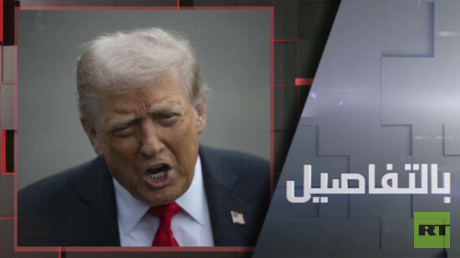
Former U.S. President Donald Trump has recently criticized the North Atlantic Treaty Organization (NATO), claiming that the alliance has become weak and unreliable. Trump emphasized that member countries have not fulfilled their financial responsibilities, negatively impacting NATO's effectiveness in addressing global challenges.
Trump's comments were made in the context of discussing the importance of strengthening U.S. military power, pointing out that the United States bears the largest burden in funding NATO while European nations contribute insufficiently. He also criticized the policies of some member states, arguing that they do not align with U.S. interests.
Details of the Criticism
During his remarks, Trump noted that NATO was once a leading military force, but now suffers from a lack of coordination and the ability to confront threats. He highlighted that some member countries, such as Germany, have failed to meet the agreed target of increasing their defense budgets to 2% of their GDP, which weakens the alliance as a whole.
Trump also condemned what he termed the "excessive reliance" of European nations on the United States for defense, stressing the need for these countries to take on more responsibility. He asserted that this situation cannot continue and that NATO's role in U.S. foreign policy must be reassessed.
Background & Context
NATO was established in 1949 as a military alliance aimed at countering Soviet threats during the Cold War. Following the collapse of the Soviet Union, NATO evolved into a global military force, participating in numerous military operations across different regions of the world.
However, recent years have seen a decline in trust among members, particularly following Trump's statements during his presidency, where he called for a reevaluation of U.S. commitments to the alliance. These remarks have raised concerns among many European countries that rely on American protection against security threats.
Impact & Consequences
Trump's criticisms come at a sensitive time as Europe faces increasing security challenges, including tensions with Russia. These statements could exacerbate divisions within NATO, potentially affecting the alliance's ability to address future security challenges.
Moreover, these criticisms may impact relations between the United States and European nations, with some countries feeling inadequately supported by Washington. This situation could prompt some nations to seek alternative alliances or to bolster their defense capabilities independently.
Regional Significance
Amid these tensions, U.S. policies towards NATO may have repercussions for the Arab region, particularly given the security challenges faced by some countries. Increased divisions within NATO could lead to a decline in military and political support for Arab nations that depend on Western alliances.
Furthermore, a weakened NATO could encourage certain regional powers to enhance their influence in the area, potentially escalating tensions and conflicts. Therefore, monitoring the developments in U.S.-NATO relations will be crucial for understanding the potential impact on regional security.
In conclusion, the question remains about NATO's future and its role in global politics, especially as security challenges continue to rise. Trump's statements reflect deep concerns regarding the alliance's effectiveness, necessitating a comprehensive reassessment of its role in confronting global threats.