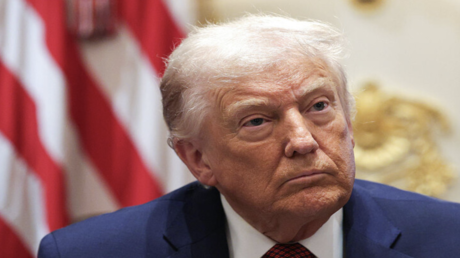
U.S. President Donald Trump has criticized the New York Times, pointing to its decline in credibility and professional standards. Trump believes that the newspaper is no longer what it used to be, reflecting a sense of dissatisfaction with traditional media.
This criticism comes at a time when American journalism faces significant challenges regarding credibility and reliability, as many media outlets are criticized by various political factions. Trump, who has always been a critic of the media, continues to use his platform to highlight what he sees as flaws in media coverage.
Details of the Event
During a press conference, Trump indicated that the New York Times no longer adheres to the professional standards it was once known for, which has affected its credibility in the eyes of the public. This statement followed the publication of an article that addressed issues related to Trump's administration, which he considered biased and unobjective.
Trump did not hesitate to use social media to express his views, tweeting a direct criticism of the newspaper, which sparked mixed reactions from followers. This type of criticism reflects the ongoing struggle between politicians and the media, especially in the tense political atmosphere in the United States.
Background & Context
Historically, the New York Times has been one of the most prominent newspapers in the world, playing a significant role in shaping public opinion. However, recent years have seen a decline in public trust in the media, with many believing that reports are often biased or inaccurate.
Trump is not the only one criticizing the media; recent years have witnessed a rise in criticism from many public figures and politicians. This trend reflects a state of political polarization in the United States, where media is considered part of the political battle.
Impact & Consequences
Trump's criticisms of the media could exacerbate the gap between the public and the press. With increasing doubts about the credibility of news reports, more people may turn to alternative news sources, increasing the polarization of information.
Moreover, these criticisms may affect how the media covers political events, as some newspapers may feel pressured to change their coverage style to avoid criticism. This could lead to a decline in the quality of news reports, affecting the public's ability to obtain accurate and objective information.
Regional Significance
While American media continues to face challenges, this situation also reflects on media in the Arab region. Pressures are increasing on newspapers and media outlets to provide objective coverage amid the tense political situations in many Arab countries.
Trump's criticisms may encourage some governments in the region to adopt similar stances towards the media, potentially leading to further restrictions on press freedom. Under these circumstances, it becomes essential for the media to remain committed to professional standards to ensure the provision of accurate and reliable information to the public.
In conclusion, amidst political tensions and increasing criticisms, the role of the media remains crucial in shaping public opinion. However, maintaining credibility and professional standards will be the greatest challenge facing newspapers in the future.