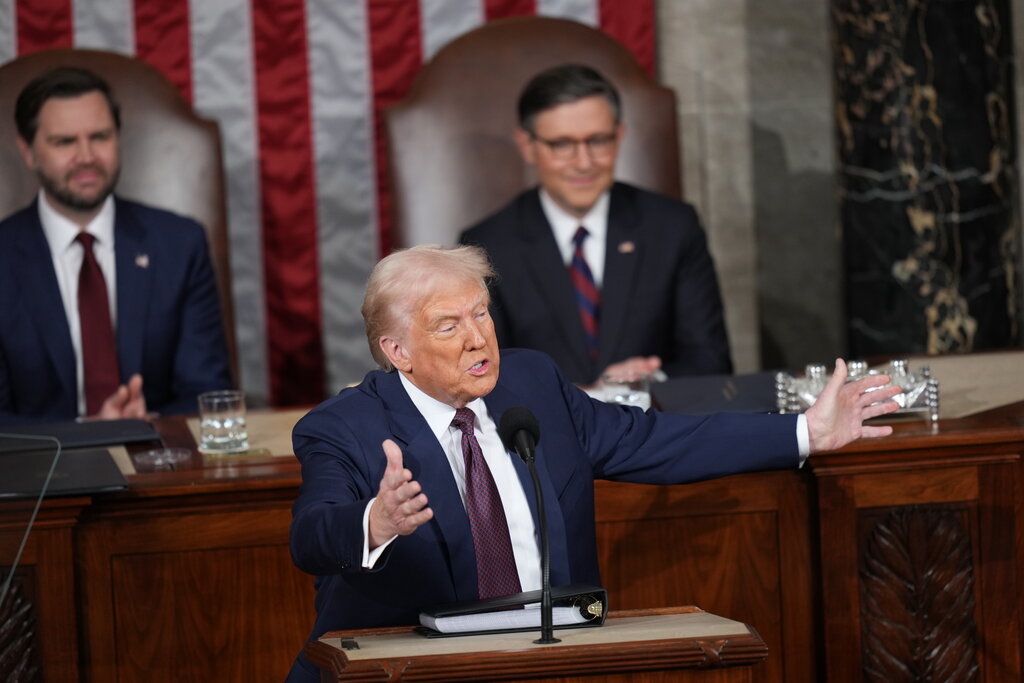
In a provocative speech before the King of Britain, U.S. President Donald Trump announced his non-recognition of agreements established since the 1960s aimed at including all those excluded from citizenship since the independence revolution. This statement comes at a sensitive time as calls in the U.S. grow to reconsider citizenship laws and policies.
Trump's remarks were made during his official visit to Britain, where he met with the King, sparking mixed reactions among observers and politicians. Some viewed this statement as reflecting Trump's nationalist tendencies, while others saw it as a sign of disrespect for the history and policies that have shaped modern American society.
Details of the Event
During his speech, Trump indicated that the agreements reached in the past no longer reflect the current reality. He argued that there is an urgent need to reevaluate how citizenship is granted in the United States, opening the door for new discussions about the rights of the excluded. This statement comes at a time when political and social pressures on Trump are increasing due to his immigration and citizenship policies.
Trump also addressed other issues related to immigration, stating that the United States needs stricter policies in this area. This remark raised concerns among many activists who believe such policies could exacerbate discrimination and racism in society.
Background & Context
Historically, the United States has witnessed numerous changes in citizenship laws, starting from the Declaration of Independence in 1776. Since then, several amendments have been made to the laws defining who is entitled to U.S. citizenship. In the 1960s, laws were enacted aimed at abolishing racial discrimination and promoting minority rights, which contributed to the inclusion of broad segments of American society.
However, Trump, who took office in 2017, has taken controversial stances on immigration and citizenship, leading to a sharp divide in American society. This division has raised issues related to national identity and civil rights, making Trump's statements in this context even more significant.
Impact & Consequences
Trump's statements may lead to an increase in political and social divisions in the United States. While some see these remarks as a desire to rebuild national identity, others believe they could exacerbate racial and social tensions. This situation could negatively impact relations between the United States and other countries, especially those with large immigrant communities.
Furthermore, these statements could influence both domestic and foreign policies of the United States, as the administration may seek to promote stricter immigration policies, which could affect relations with countries considered sources of migrants.
Regional Significance
For the Arab region, Trump's statements may carry significant implications. Many Arab countries are grappling with issues related to migration and displacement, and U.S. policies in this area could affect how these countries deal with refugee and migrant issues. Additionally, the tensions arising from these statements could exacerbate humanitarian crises in the region.
In conclusion, it remains to be seen how Trump's statements will affect the political and social landscape in the United States and whether they will lead to real changes in policies related to citizenship and immigration. These issues remain central to shaping the future of American society and international relations.