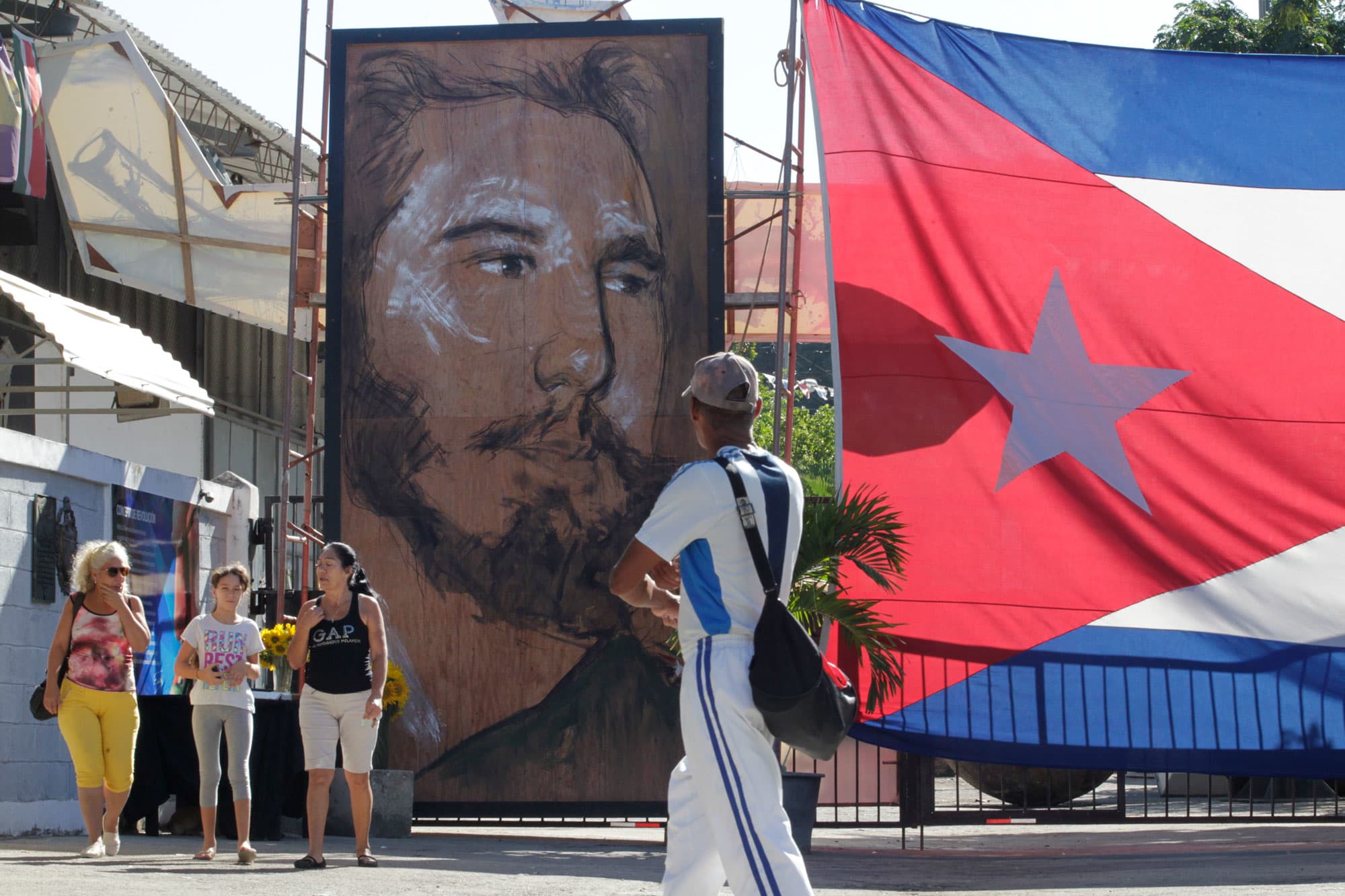
Cuba has receded from the forefront of American events as President Donald Trump's administration becomes preoccupied with the war in Iran, giving the Cuban government a chance to breathe. Although Trump has not hidden his desire to change the regime in Cuba, the focus on Tehran has eased the pressure on Havana.
Since Trump resumed office in January 2025, he has had clear ambitions regarding Cuba. However, military resources and American public interest in the war on Iran have led him to postpone addressing the Cuba file. At the same time, the U.S. administration is trying to avoid any humanitarian disaster that could lead to a mass exodus of Cubans to the shores of Florida.
Event Details
In an interview with Al Jazeera Net, Cuban-American attorney Patty Fuentes noted that the situation in Cuba is currently in limbo. She confirmed that her relatives in Cuba are concerned about what will happen after the fighting with Iran ends. While they are pleased with the reduced American interest in Cuba, anxiety remains about the future.
Reports indicate that the U.S. administration is negotiating with the Cuban government regarding structural changes in the economy, as reflected in Cuban President Miguel Díaz-Canel's calls for economic reforms. Before the war on Iran began, Trump stated that he desired a "friendly takeover" of Cuba, reflecting his intentions toward the island.
Background & Context
Historically, Cuba has suffered from an American economic blockade since the success of the Cuban Revolution in 1959. This blockade intensified after the capture of Venezuelan President Nicolás Maduro, exacerbating the economic conditions in Cuba. The recent oil blockade has had a significant impact on the island, which is experiencing severe fuel shortages.
Despite this, the U.S. Treasury Department recently announced it would allow the resale of Venezuelan oil to the private sector in Cuba, a move aimed at alleviating the economic crisis. Trump indicated that he does not mind Cuba obtaining oil from any country, including Russia, reflecting a shift in the U.S. administration's stance.
Impact & Consequences
Fuentes expects that increasing pressure on the Cuban regime will lead to a deterioration of living conditions, which may push the regime to yield to Trump's demands. Republican Senator Lindsey Graham, close to Trump, confirmed that "Cuba is next," reflecting the U.S. administration's intentions toward the island.
With the absence of the large military buildup witnessed by Washington off the coast of Venezuela, American military intervention in Cuba seems unlikely at this time. However, political and economic pressures could lead to radical changes in the Cuban regime.
Regional Significance
The significance of this situation in Cuba is evident in the context of international relations and its impact on Arab countries. Any change in the Cuban regime could affect relations between the United States and Latin American countries, which may reflect on U.S. policies toward the Middle East.
In conclusion, the question remains as to when the Trump administration will take concrete steps toward Cuba and whether these steps will lead to radical changes in the Cuban regime.