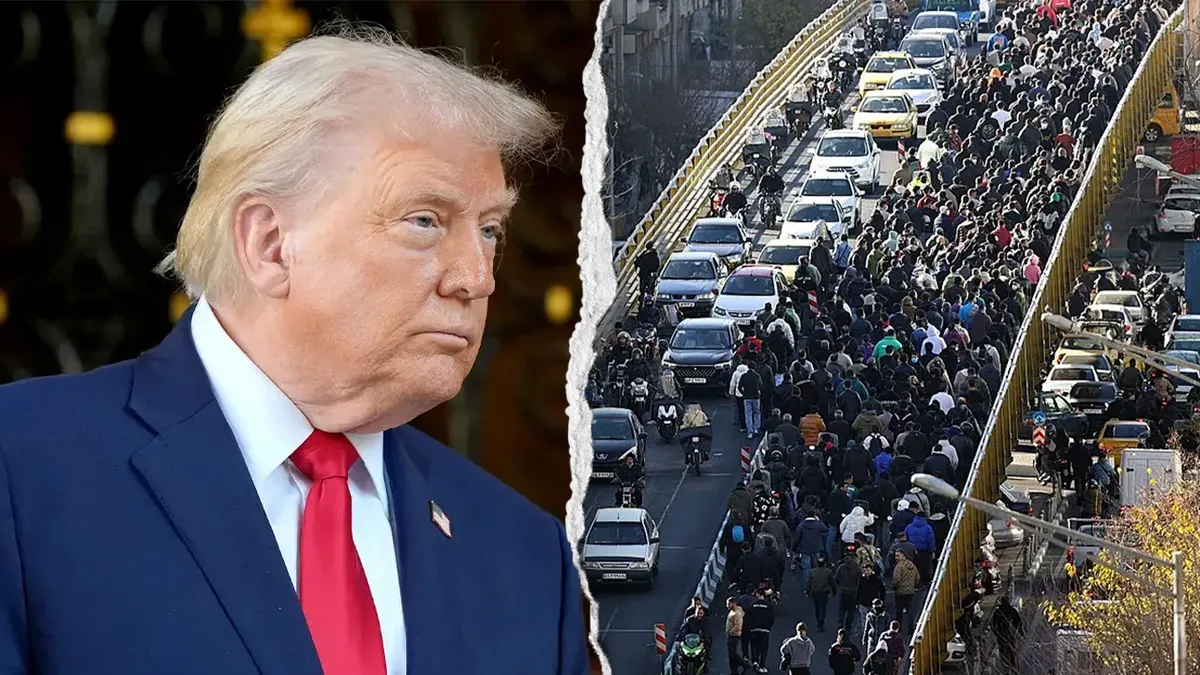
In a new escalation of the crisis between the United States and Iran, President Donald Trump announced the extension of the deadline for Tehran until Tuesday evening. Trump threatened to destroy Iranian infrastructure, including bridges and power plants, provoking angry reactions from some American politicians.
Trump's statements came amid increasing tension between Washington and Tehran, with fears of a potential military escalation rising. These threats were seen as a clear warning to Tehran, as Trump emphasized that the United States would not hesitate to take strict measures if Iran did not comply with American demands.
Details of the Event
In his recent remarks, Trump used harsh language towards Iran, describing it in derogatory terms, which sparked widespread controversy in American political circles. Some lawmakers from both the Republican and Democratic parties criticized these statements, considering them a reflection of disrespect for diplomatic norms.
These threats come at a sensitive time, as Trump seeks to bolster his position ahead of the upcoming presidential elections. The escalation against Iran appears aimed at garnering support from voters who are concerned about increasing Iranian threats.
Background & Context
Historically, U.S.-Iran relations have seen increasing tensions since the Iranian Revolution in 1979. These tensions have led to a series of military and economic conflicts, including economic sanctions imposed by the United States on Iran.
In recent years, these tensions have notably escalated, especially after the U.S. withdrawal from the Iranian nuclear deal in 2018. Since then, the region has witnessed an uptick in military activities, including attacks on oil facilities in Saudi Arabia.
Impact & Consequences
Trump's recent statements could lead to military escalation in the region, increasing risks to regional security. These developments may affect oil prices and global financial markets, as any military escalation could disrupt energy supplies.
Moreover, the escalation in political rhetoric could heighten tensions between the United States and its allies in the region, including Saudi Arabia and Israel, potentially altering the dynamics of regional relations.
Regional Significance
For Arab countries, the escalation between the United States and Iran represents a direct threat to security and stability in the region. Increased tensions could exacerbate existing conflicts, such as the struggles in Yemen and Syria.
Additionally, any military escalation could impact trade and navigation in the Arabian Gulf, adversely affecting Arab economies that rely on oil. Therefore, Arab nations are urged to closely monitor developments and consider strategies to address any potential repercussions.
In conclusion, the situation between Iran and the United States remains volatile and requires careful monitoring by the international community. The mutual statements and threats could lead to unforeseen outcomes, necessitating effective diplomatic dialogue to avoid escalating tensions.