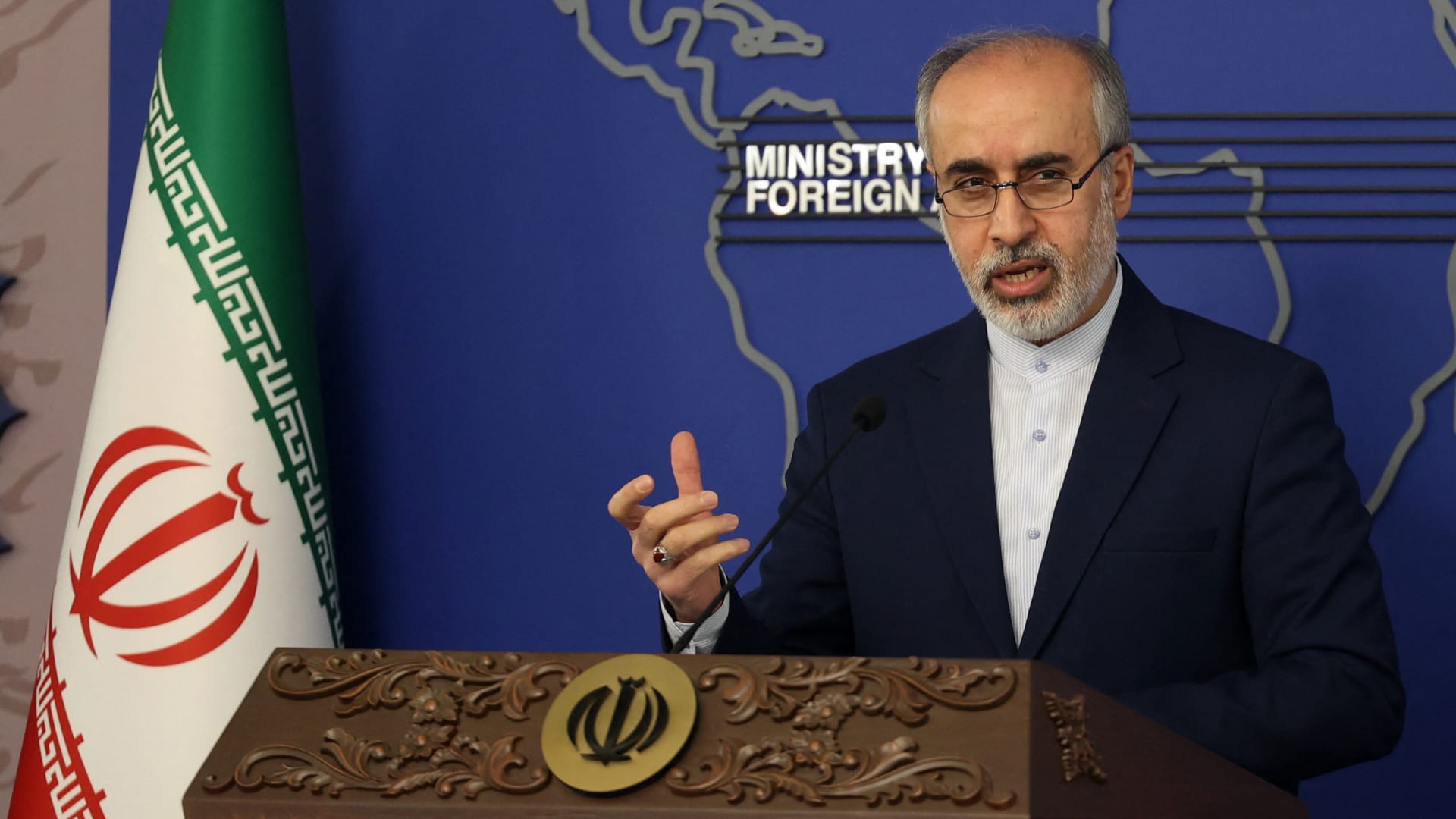
U.S. President Donald Trump announced a delay in the military pressure he intended to impose on Iran, specifying April 6 as the new deadline. This announcement was made via his social media account, where he confirmed that talks with Tehran are progressing positively, opening the door to questions about the possibility of an agreement between the two parties.
This decision comes at a sensitive time marked by increasing tensions in the Middle East, as Trump seeks to achieve diplomatic progress with Iran, which is facing mounting economic pressures due to U.S. sanctions. Trump indicated that discussions with the Iranian side are moving in a positive direction, which may reflect a desire to ease tensions in the region.
Details of the Announcement
In a tweet, Trump clarified that negotiations with Iran appear to be heading in the right direction, prompting him to postpone any potential military actions. This delay may provide both sides an opportunity to reach an agreement that alleviates existing tensions, especially in light of the multiple crises plaguing the region.
This announcement follows a series of exchanged statements between Washington and Tehran, where there were concerns about a military escalation that could drag the region into a new conflict. This move by Trump may represent an attempt to avoid any escalation that could impact U.S. interests and those of its allies in the region.
Background & Context
Historically, U.S.-Iranian relations have seen increasing tensions since the United States withdrew from the nuclear agreement in 2018. This withdrawal led to the imposition of strict economic sanctions on Iran, significantly impacting its economy. Since then, Iran has sought to strengthen its relations with other countries such as China and Russia, while the United States aims to reassert its dominance in the region.
In recent years, there have been several attempts to reach a new agreement between the two sides, but these have often faced significant obstacles. However, it seems that Trump is now seeking to achieve a diplomatic breakthrough that could bolster his position ahead of the upcoming presidential elections.
Impact & Consequences
The postponement of military pressure could have significant implications for the situation in the Middle East. If talks between the United States and Iran succeed, it could lead to a reduction in regional tensions, positively reflecting on security and stability.
However, if these talks fail, it could lead to a new escalation, threatening to ignite armed conflict that could affect all countries in the region. Any escalation could also impact oil prices and global markets, making it essential to closely monitor developments.
Regional Significance
For Arab countries, any move by the United States towards Iran will have direct implications. Gulf states, for example, are closely watching these developments, as they consider Iran a threat to their security. Should negotiations succeed, it could lead to improved relations between Iran and some Arab states, opening the door for greater cooperation in various fields.
Conversely, if tensions escalate, it could increase divisions in the region, complicating peace and stability efforts. Therefore, monitoring these discussions will be of great importance to all parties involved.