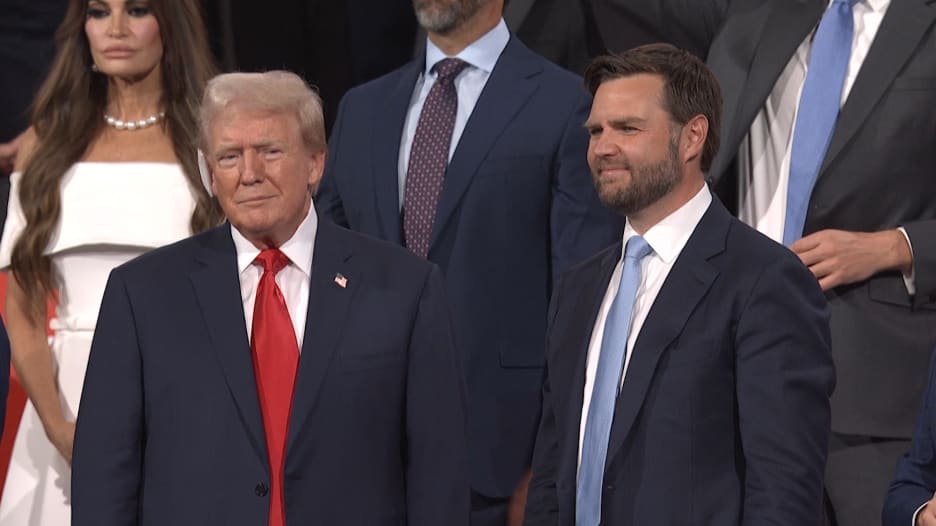
In a striking statement, U.S. President Donald Trump revealed that he has decided to "postpone" targeting Iran's largest power plant due to the ongoing negotiations between Washington and Tehran. Trump confirmed that Iran has "agreed not to possess nuclear weapons," reflecting a shift in the political dynamics between the two countries. These remarks were made during the inauguration ceremony of the new Secretary of Homeland Security, Markwayne Mullin, underscoring the importance of national security amid ongoing tensions in the Middle East.
Trump's comments come at a sensitive time, as fears of escalating military tensions between the United States and Iran are on the rise. Some members of the U.S. Congress have called for increased pressure on Iran, while Trump seeks to demonstrate that his administration prefers diplomatic solutions over military action.
Details of the Announcement
During his address, Trump noted that discussions with Iran have yielded progress in certain areas, prompting him to decide to postpone any potential military action. This statement has elicited mixed reactions from observers, with some viewing it as a positive step towards de-escalation, while others interpret it as a sign of weakness in the U.S. stance.
It is important to note that Iran has faced severe economic sanctions from the United States, significantly impacting its economy. However, Trump's remarks suggest the possibility of opening new diplomatic channels that could lead to the easing of these sanctions.
Background & Context
Historically, relations between the United States and Iran have been tense, especially following Trump's withdrawal from the Iranian nuclear deal in 2018. This agreement, reached in 2015 between Iran and the 5+1 group, aimed to limit Iran's nuclear program in exchange for sanction relief. However, the U.S. withdrawal reset the situation, leading to heightened tensions.
In recent years, the region has witnessed numerous events that have exacerbated tensions, including attacks on oil facilities in Saudi Arabia, which Iran was accused of orchestrating. Additionally, U.S. military maneuvers in the Persian Gulf have increased fears of a military conflict.
Impact & Consequences
The postponement of a potential military strike could have significant implications for international relations. It may enhance the United States' image in the eyes of its allies, who might see this decision as evidence of Washington's commitment to peaceful solutions. Furthermore, it could bolster Trump's domestic position as he seeks to demonstrate his ability to achieve positive outcomes in foreign policy.
However, this decision may face criticism from certain political circles in the United States, which might view it as a retreat from the strong stance the administration has taken towards Iran. There are also concerns that Iran could exploit this situation to strengthen its position in negotiations.
Regional Significance
Considering the situation in the region, any improvement in U.S.-Iran relations could directly impact Arab countries, particularly those feeling threatened by Iranian influence. Nations like Saudi Arabia and the United Arab Emirates may closely monitor these developments, as any potential agreement could alter the balance of power in the region.
Ultimately, the question remains regarding Iran's seriousness in committing to not developing nuclear weapons and whether the United States will continue to pressure Tehran to achieve this goal. Upcoming developments will determine the course of relations between the two countries and may have far-reaching effects on security and stability in the Middle East.