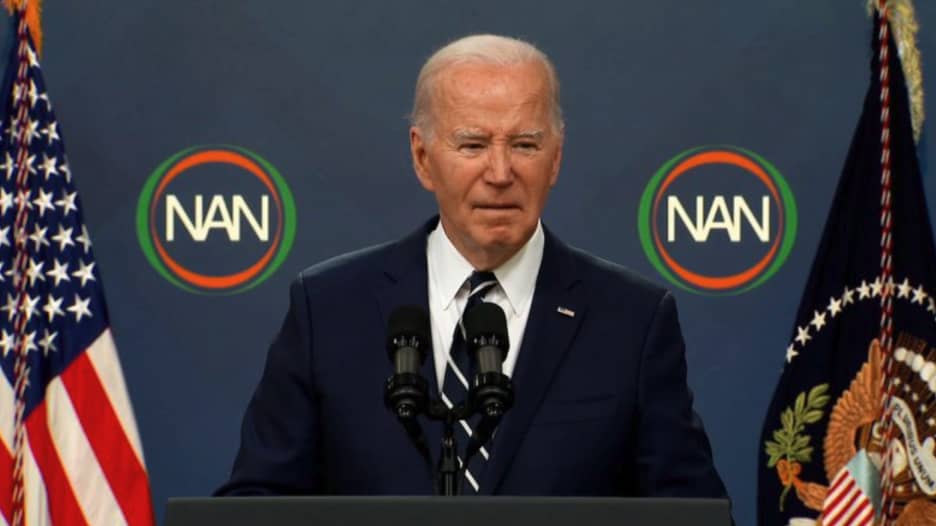
President Donald Trump has made a surprising decision to postpone all military strikes that were aimed at Iranian power plants for five days. The announcement comes at a time when the region is experiencing escalating tensions, particularly with ongoing Iranian threats.
The decision followed consultations with senior military advisors, where Trump emphasized the importance of assessing the current situation before taking any military actions. He reaffirmed America's commitment to protecting its interests in the region while stressing the necessity for careful consideration of available options.
Details of the Incident
Official sources confirmed that the postponement includes all military operations related to Tehran's threats to Gulf security, especially following recent statements from Iranian officials regarding their nuclear energy plans. This decision is expected to have long-term implications for the U.S. military's posture toward Iran.
The decision also comes amid ongoing talks between several European countries and Iran, as the international community seeks to avoid escalation, which Trump has indicated he does not wish to be drawn into thoughtlessly. The matter is expected to be further discussed in upcoming meetings of the UN Security Council.
Background & Context
Tensions between the United States and Iran have been rising since Washington withdrew from the nuclear agreement in 2018, with the Trump administration implementing stricter sanctions on Tehran. These sanctions have exacerbated Iran's economic situation and negatively affected relations between Iran and its regional adversaries.
The tensions are not limited to the military level; fears of an armed conflict could have catastrophic consequences for regional security and stability in major cities across the Middle East. The current phase has been described as the most dangerous in recent years, as miscalculations from either side could lead to greater crises.
Impact & Consequences
The decision to postpone military strikes may be viewed as a step toward de-escalation, but it could also be interpreted as a sign of weakness by the U.S. administration. This might encourage some hardline Iranian factions to continue targeting American interests in the region.
The delay in strikes represents a shift in Trump's strategy, as he has repeatedly stated his readiness to take stringent military actions against Tehran. If Iran continues its aggressive practices, the administration may be forced to reconsider this decision, potentially plunging the region into a cycle of military pressures.
Regional Significance
This decision will directly impact Arab countries neighboring Iran, where nations such as Iraq, Syria, and Lebanon are under the influence of Iran-backed factions. The postponement may provide these factions an opportunity to regroup, as Arab nations fear the repercussions of any military escalation.
Moreover, reactions in the Middle East will likely be cautious, as many governments strive to balance their relationships with the United States while maintaining ties with Iran. The decision may be seen as an opportunity for diplomacy and mitigating conflicts.
In conclusion, the significance of this decision hinges on the forthcoming developments, which will determine what will happen in the next five days and whether the U.S. administration will reassess its strategies toward Iran, at a time when conflict and oil remain central issues for decision-makers in Washington and Tehran.