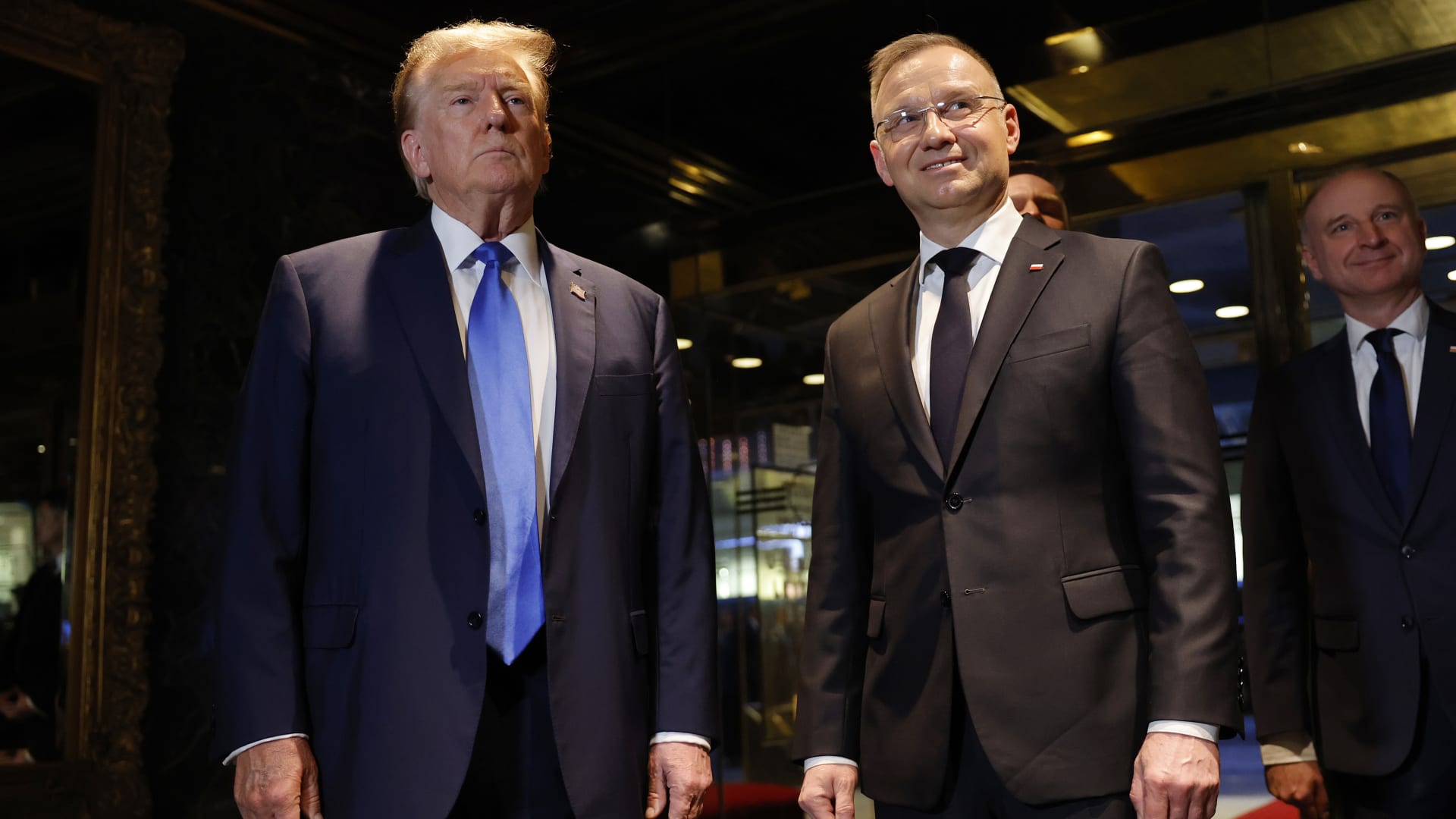
U.S. President Donald Trump has expressed his disappointment with the performance of the North Atlantic Treaty Organization (NATO) in the context of escalating tensions with Iran. He noted that member countries of the alliance have shown reluctance to become embroiled in military conflict with Tehran. During a press conference, Trump indicated that the United States also does not intend to fight others' wars, reflecting his administration's inclination to reduce American military interventions in foreign conflicts.
Trump's remarks come at a sensitive time, as tensions between the United States and Iran are on the rise, particularly following a series of incidents in the region, including attacks on oil facilities in Saudi Arabia and increasing Iranian threats. These events have raised concerns among Washington's allies in the region, prompting them to question the extent of the United States' commitment to protecting their interests.
NATO's Support and U.S. Burden
During the conference, Trump asserted that NATO has not provided sufficient support to the United States in addressing Iranian challenges, pointing out that many member countries prefer to avoid military conflicts. He explained that this stance places a greater burden on the United States in dealing with Iran, which contradicts his strategy aimed at reducing American military costs abroad.
Trump also emphasized that the United States does not wish to find itself in a position that requires it to fight others' wars, reflecting his administration's focus on a policy of non-intervention. This approach has been a hallmark of Trump's foreign policy, as he seeks to prioritize American interests and reduce the financial and human costs associated with overseas military engagements.
Background & Context
The backdrop of Trump's comments includes a series of escalating incidents that have heightened tensions between the United States and Iran. Following the U.S. withdrawal from the nuclear deal in 2018, Iran has taken steps to expand its nuclear program and has been involved in various regional conflicts, which have raised alarms among U.S. allies.
Moreover, the attacks on Saudi oil facilities in September 2019, which were attributed to Iran, have further complicated the security landscape in the Middle East. These developments have led to increased scrutiny of NATO's role and its effectiveness in addressing threats posed by Iran, as member countries grapple with their own national interests and security concerns.
Impact & Consequences
Trump's statements may lead to new tensions within NATO and could impact the stability of the region. As member countries reassess their military commitments and strategies, the potential for discord among allies increases, particularly if they perceive a lack of support from the United States.
Furthermore, the reluctance of NATO members to engage militarily against Iran may embolden Tehran, leading to a more aggressive posture in the region. This situation could force Arab nations to reevaluate their security strategies and consider alternative alliances or defense mechanisms in light of perceived U.S. disengagement.
Regional Significance
The implications of Trump's remarks extend beyond NATO, as they highlight the increasing tensions between the United States and Iran and reveal the divergent positions within the alliance. The potential shifts in U.S. policy towards the region could have far-reaching consequences for regional security and stability.
As the dynamics continue to evolve, Arab nations may find themselves facing new challenges in dealing with Iran without relying entirely on American support. This situation underscores the need for a comprehensive approach to regional security that takes into account the complexities of the current geopolitical landscape.