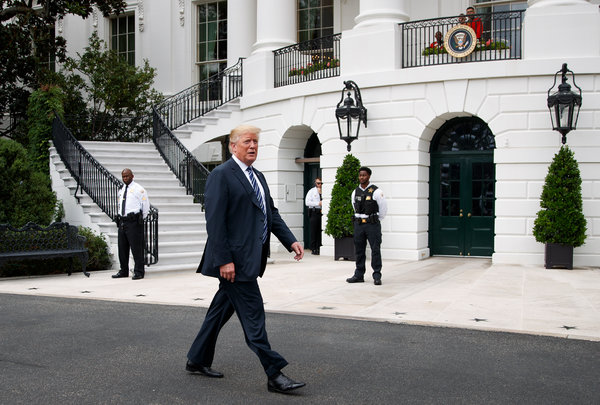
U.S. President Donald Trump convened an emergency meeting with the National Security team to discuss Iran's proposal to end the war that has entered its third month, leaving thousands dead across the Middle East. This meeting is taking place during a sensitive period, as oil prices have seen a significant increase due to the ongoing turmoil in the region.
This war, which began earlier this year, is one of the bloodiest conflicts in the area, exacerbating humanitarian crises and increasing tensions among major powers. These events have significantly impacted global energy markets, prompting Trump to take urgent steps to address the situation.
Details of the Meeting
During the meeting, the Iranian proposal aimed at halting hostilities was reviewed, which includes terms that may be acceptable to the involved parties. Trump emphasized the importance of this proposal in achieving stability in the region, especially given the difficult economic conditions many countries are facing.
The impact of this war on global oil supplies was also discussed, as prices have risen by 10% in recent days, raising concerns among investors and financial markets. Trump stressed the need for swift action to ensure price stability and protect American and allied interests.
Background & Context
Historically, the Middle East has witnessed numerous armed conflicts that have significantly affected regional and international stability. The current war is no exception, with its roots tracing back to long-standing disputes between regional and international powers. External interventions have exacerbated the situation, making it difficult to reach peaceful solutions.
In recent years, Iran has been a key player in many conflicts, seeking to enhance its influence in the region. Its policies have led to heightened tensions with Western countries, particularly the United States, complicating the path to peace.
Impact & Consequences
If the Iranian proposal is accepted, it could lead to a radical shift in regional dynamics. It may help ease tensions between Iran and Western nations, potentially opening the door for broader dialogue on outstanding issues. However, accepting this proposal requires concessions from all parties, which may be challenging under current circumstances.
On the other hand, the continuation of the war could exacerbate humanitarian crises and increase poverty and unemployment rates in the region. The economic impacts may extend beyond the borders of the Middle East, threatening global stability.
Regional Significance
The neighboring Arab countries are among the most affected by events in the Middle East. The ongoing war impacts security and stability in these nations, increasing the challenges they face. Additionally, rising oil prices affect Arab economies, which heavily rely on oil revenues.
Ultimately, hope remains for the possibility of reaching an agreement that achieves peace in the region and restores stability to global energy markets. The challenges are significant, but dialogue and understanding may pave the way for a better future.