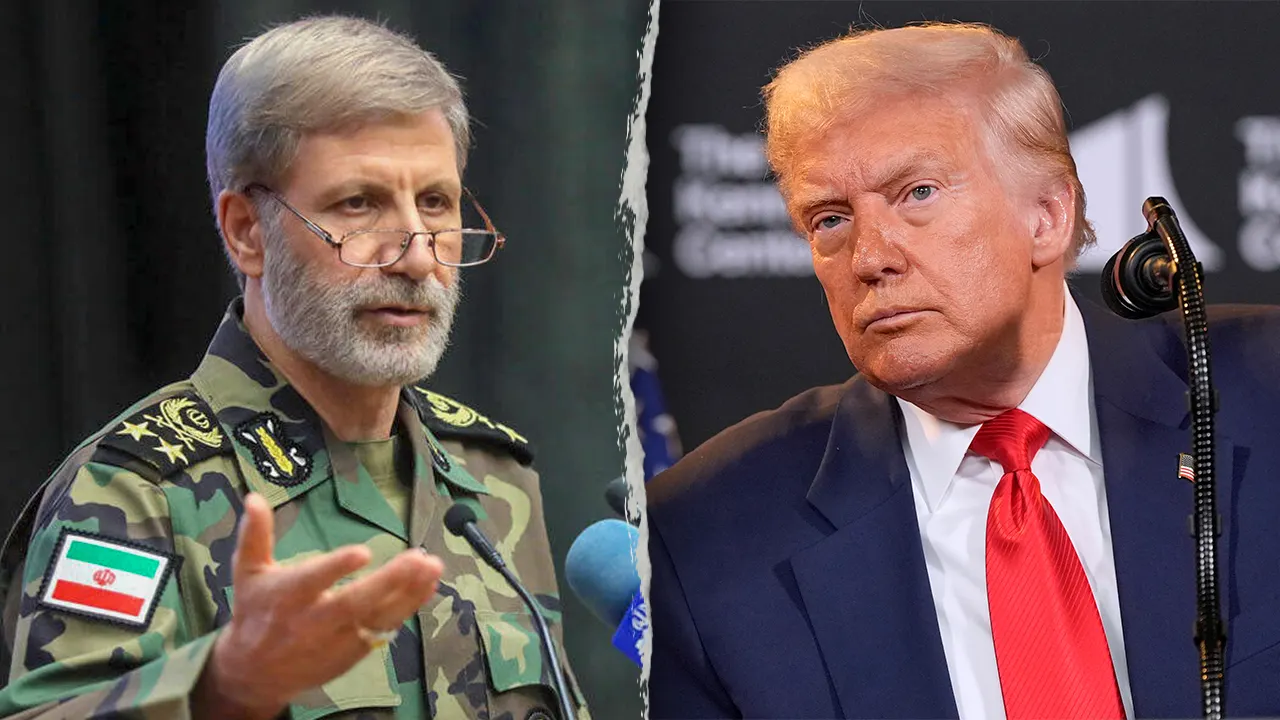
Former U.S. President Donald Trump expressed hope that the United States would not need to take military action against the remaining Iranian regime. This statement was made during remarks concerning U.S. foreign policy towards Iran, where he emphasized the importance of seeking diplomatic solutions rather than military escalation.
Trump, who had taken a hard stance against Iran during his presidency, pointed out that the current tensions in the region require the U.S. administration to carefully consider its next steps. He asserted that military options should be the last resort, stressing the necessity of maintaining stability in the region.
Details of the Event
Trump's remarks came at a time when U.S.-Iran relations are experiencing increasing tension, especially following the U.S. withdrawal from the nuclear agreement with Iran in 2018. Since then, Washington has imposed strict economic sanctions on Tehran, exacerbating the economic and social conditions in the country.
He also touched upon the role of U.S. allies in the region, indicating the importance of cooperation with Arab nations to confront the challenges posed by Iran. He considered that collective action with regional partners could contribute to achieving peace and security goals in the Middle East.
Background & Context
Historically, U.S.-Iran relations have been strained since the Islamic Revolution in 1979. These relations have gone through various phases of escalation and de-escalation, with multiple attempts at diplomatic agreements often failing due to mutual distrust.
In recent years, concerns over Iran's nuclear program have intensified, prompting the international community to impose sanctions aimed at curtailing Tehran's nuclear capabilities. However, these sanctions have not led to a change in Iran's behavior; rather, they have complicated the situation in the region further.
Impact & Consequences
Trump's statements underscore the importance of diplomacy in dealing with complex issues in the Middle East. Military escalation could have dire consequences, not only for Iran but for the entire region. Any military intervention could provoke violent reactions from Iran and its allies, potentially escalating the conflict.
Moreover, ongoing tensions between the U.S. and Iran could impact global oil markets, as Iran is one of the major oil-producing countries. Any disruptions in this region could lead to rising oil prices, affecting the global economy.
Regional Significance
The Arab countries neighboring Iran are among the most affected by the tensions between Washington and Tehran. Gulf states, in particular, are concerned about the rising Iranian influence in the region, prompting them to strengthen their alliances with the United States.
Additionally, any military escalation could lead to an influx of refugees and increased sectarian tensions in the region, threatening stability in Arab countries. Therefore, seeking peaceful solutions is the optimal choice to ensure security and stability in the area.