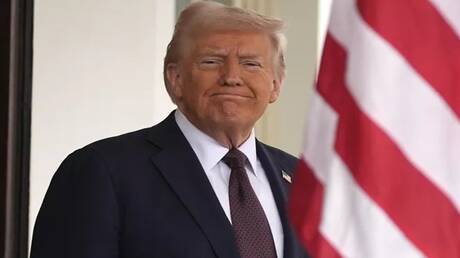
In recent statements, President Donald Trump asserted that U.S. forces must intensify efforts to suppress remaining Iranian offensive capabilities, highlighting ongoing threats posed by Tehran. These remarks come amid rising tensions between the United States and Iran in a sensitive regional context, raising questions about U.S. strategy in the Middle East.
Iran is considered one of the most significant challenges facing U.S. foreign policy, with Washington accusing Tehran of supporting armed groups in the region and developing its missile programs. Trump noted the urgent need to continue working to reduce these capabilities, reflecting his administration's commitment to confronting Iranian threats.
Details of the Statement
Trump's comments were made during a press conference where he emphasized the importance of cooperation with allies in the region to address security challenges. He clarified that the United States would continue to support local forces in Iraq and Syria to ensure that ISIS does not return, as the group exploits the chaos in the area.
Additionally, Trump called for the strengthening of economic sanctions on Iran, indicating that these sanctions have significantly impacted the Iranian economy but have not yet been sufficient to curb Tehran's military activities. He affirmed that the United States would remain vigilant against any threats that may arise from Iran or its allies in the region.
Background & Context
Tensions between the United States and Iran have persisted for several years, escalating after the Trump administration withdrew from the Iranian nuclear deal in 2018. This withdrawal led to the re-imposition of strict economic sanctions on Iran, significantly affecting its economy and resulting in internal protests.
Since then, Iran has increased its military activities, including the development of ballistic missiles and enhanced support for armed groups in Iraq, Syria, and Lebanon. This has raised concerns among many countries in the region, particularly U.S. allies such as Saudi Arabia and Israel.
Impact & Consequences
Trump's statements serve as a clear warning to Tehran, reflecting the ongoing U.S. policy of confronting Iranian activities. However, these remarks could lead to heightened tensions in the region, as Iran may feel compelled to respond to increasing U.S. pressures.
Moreover, continued U.S. pressures could affect relations between Iran and European countries that still seek to maintain the nuclear agreement. This could lead to further divisions within the international community regarding how to address Iran, complicating the political landscape in the region.
Regional Significance
The tensions between the United States and Iran directly impact Arab countries, as many nations express concern over the escalation of Iranian activities in the region. These tensions have led to increased security cooperation between Arab states and the United States, as these countries seek to enhance their defensive capabilities.
The situation in Iraq and Syria remains fragile, where any escalation in tensions could exacerbate security conditions. Therefore, Trump's statements may lead to further instability in the region, affecting the lives of millions of people.
In conclusion, developments in U.S.-Iranian relations remain under global scrutiny, as fears of escalating tensions in the Middle East rise. The current situation requires a strategic response from all parties involved to ensure security and stability in the region.