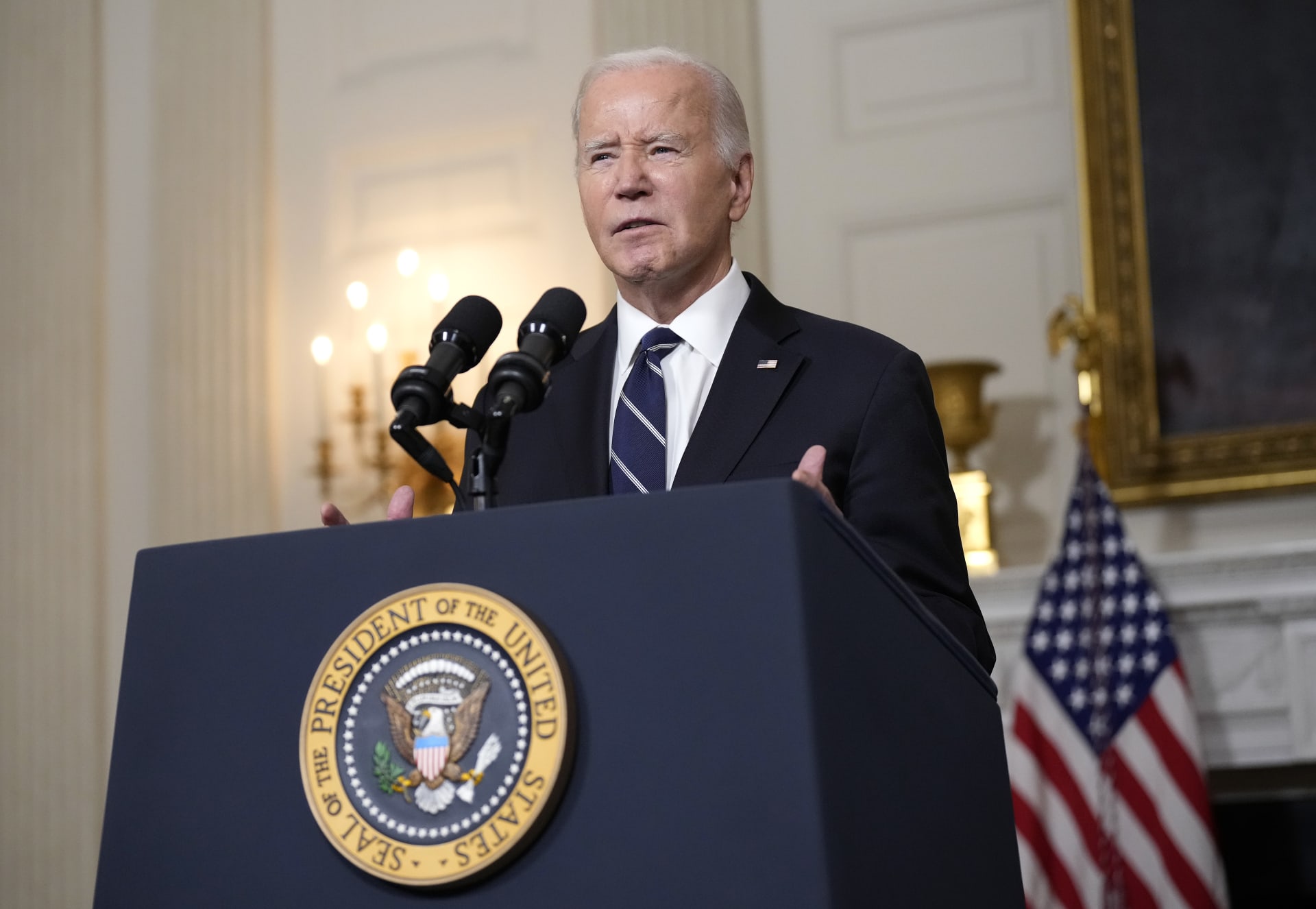
President Donald Trump announced the extension of the ceasefire in the energy sector, triggering mixed reactions in financial markets. This announcement comes at a critical time as concerns about market volatility and rising healthcare costs increase. This was revealed during a special program on Bloomberg, where a group of financial experts discussed the impact of this decision.
During the program, Vino Krishna, Head of U.S. Equity Strategy at Barclays, confirmed that the extension of the ceasefire could contribute to market stability in the short term, but it may lead to further volatility in the future. David Roman from Goldman Sachs pointed out that rising healthcare costs could have a significant impact on the U.S. economy, increasing pressure on the government.
Details of the Announcement
The extension of the ceasefire in the energy sector comes at a time when the market is experiencing sharp fluctuations, with U.S. stocks recently witnessing notable declines. Experts have indicated that this decision may help alleviate some pressures on investors, but it simultaneously raises questions about the sustainability of this stability.
The impact of this decision on oil and gas prices was also discussed, with Ed Morse, Chief Consultant at Hartree Partners, predicting significant price movements in the market as a result of this extension. He emphasized that markets are closely monitoring any new developments in this regard.
Background & Context
Historically, the energy sector in the United States has experienced many fluctuations due to government policies and changes in supply and demand. In recent years, there have been increasing efforts by the U.S. government to enhance stability in this sector, especially amid global economic challenges.
Moreover, rising healthcare costs are one of the pressing issues facing the U.S. administration, as the government seeks effective solutions to address these challenges. Thomas DiNapoli, the New York State Comptroller, noted that these issues require a swift response from the government to ensure the stability of the U.S. economy.
Impact & Consequences
The extension of the ceasefire in the energy sector may lead to varied impacts on financial markets. On one hand, it may assist in stabilizing the market in the short term, but it could also raise investor concerns regarding the sustainability of this stability. Additionally, rising healthcare costs may affect consumer spending, potentially leading to slower economic growth.
Furthermore, this decision could impact international trade relations, as global energy prices may be influenced by these policies. Scott Kronert, Equity Strategist at Citi, indicated that global markets are closely watching any changes in U.S. policies.
Regional Significance
The Arab region is one of the largest oil producers, and thus any changes in U.S. energy policies could directly affect the economies of these countries. If stability in the U.S. energy sector continues, it may lead to increased demand for Arab oil, contributing to the strengthening of Arab economies.
Additionally, rising healthcare costs in the United States may have indirect effects on Arab countries, as these costs could impact U.S. investments in the region. Therefore, closely monitoring these developments will be essential to understand the potential impact on the region.