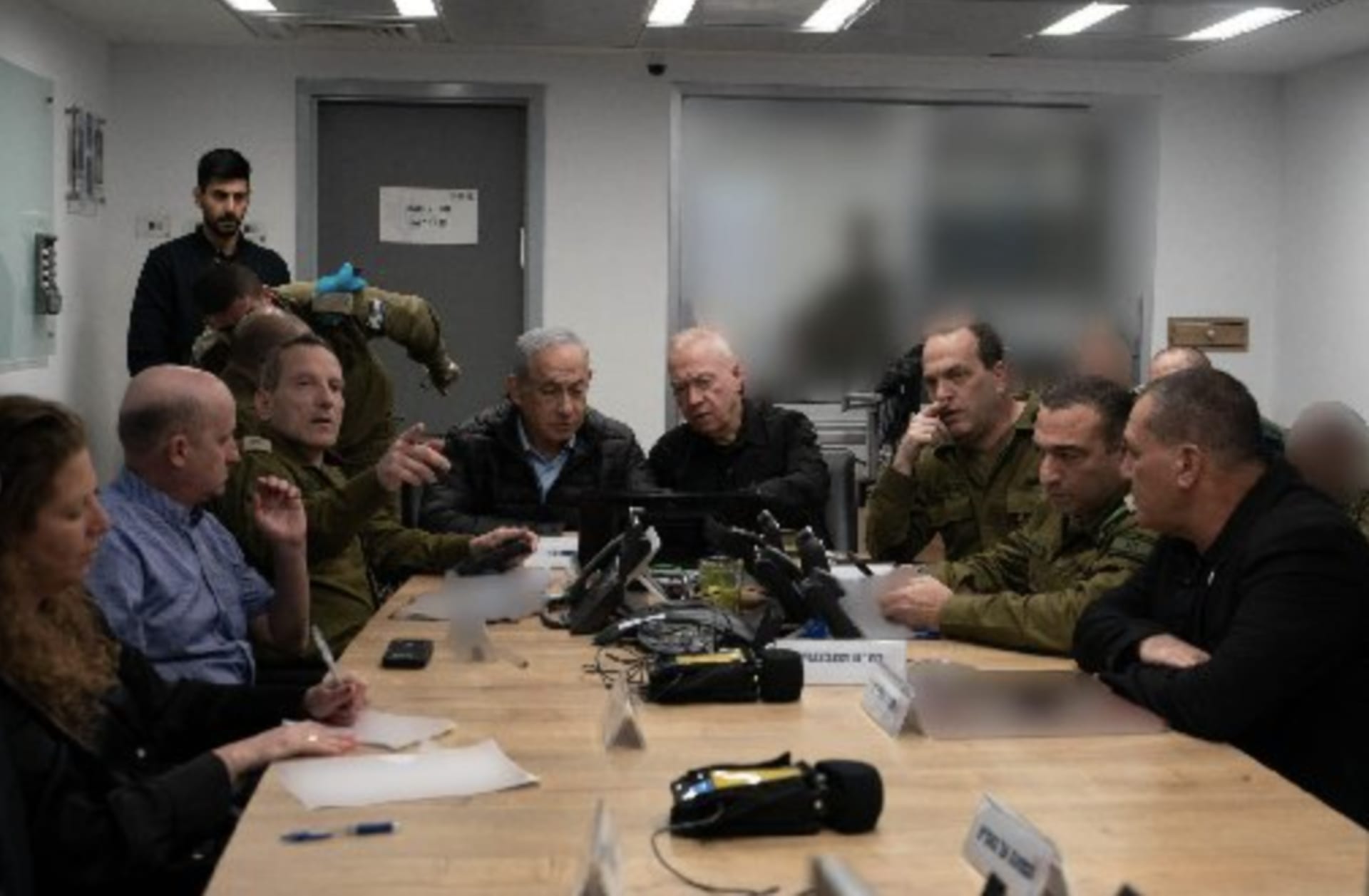
U.S. President Donald Trump announced a ten-day extension for military action against Iranian energy sites, postponing any military operations against Iran's energy infrastructure until April 6. This announcement comes at a sensitive time, as Trump claimed that Tehran was the one requesting this extension.
In remarks made on Monday, Trump confirmed that he would halt threats of attacks on Iranian nuclear facilities until Friday, reflecting a shift in the U.S. stance towards Iran. He also mentioned that talks with Iran are proceeding well, a statement that has not been corroborated by the Iranian government.
Details of the Announcement
This move by Trump represents an attempt to ease the escalating tensions between the United States and Iran, which have seen a notable increase in recent months. The extension follows a series of American threats targeting the Iranian nuclear program, which Washington considers a threat to regional and international security.
It is important to note that relations between the United States and Iran have deteriorated significantly since Washington's withdrawal from the Iranian nuclear deal in 2018, leading to the imposition of stringent economic sanctions on Tehran. However, it appears that Trump is now seeking a diplomatic exit from this crisis.
Context and Background
Historically, U.S.-Iran relations have been strained since the Islamic Revolution in 1979, when diplomatic ties between the two countries were severed. Since then, the region has witnessed numerous crises involving Iran, complicating the political landscape in the Middle East.
In recent years, concerns have grown that the Iranian nuclear program could lead to a nuclear arms race in the region, prompting the United States to take a hardline stance against Tehran. Nevertheless, many observers believe that dialogue is the only way to resolve these complex issues.
Consequences and Impact
Trump's decision to postpone attacks on Iran could contribute to reducing tensions, but it may also raise questions about the credibility of the United States in the region. While Trump seeks to bolster his diplomatic position, some may view this decision as a retreat from his previous stance.
Furthermore, these developments could impact U.S. relations with its allies in the region, who are concerned about any potential rapprochement between Washington and Tehran. There are also fears that this extension could strengthen Iran's position in negotiations, potentially altering the power dynamics in the region.
Impact on the Arab Region
The developments in U.S.-Iranian relations are of significant importance to the Arab region, as many Arab countries are worried about Iran's growing influence. The tensions between the United States and Iran directly affect security and stability in countries like Iraq, Syria, and Lebanon.
In this context, Arab nations must be prepared to deal with any changes that may arise in the regional landscape as a result of these developments. Dialogue between the United States and Iran could open the door to new opportunities for cooperation, but it could also lead to further tensions if not handled carefully.
In conclusion, the question remains open as to whether this extension will lead to positive outcomes or if it is merely a postponement of the crisis. As talks continue, there remains hope that both sides can reach an agreement that ensures security and stability in the region.