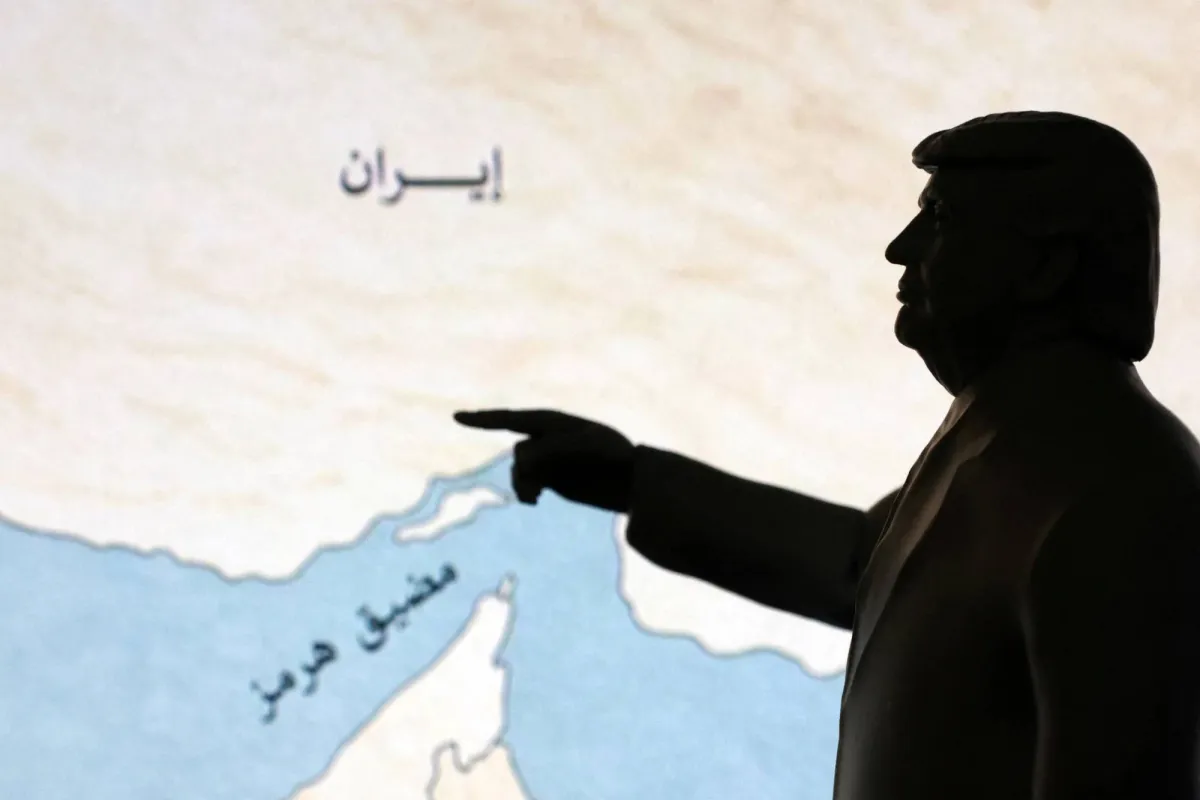
U.S. President Donald Trump announced on Sunday that he has extended the deadline for Iran until next Tuesday, in his efforts to reach an agreement to reopen the Strait of Hormuz. He stated in a post on the "Truth Social" platform that "Tuesday at 8:00 PM Eastern Time" is a crucial deadline.
This extension represents a one-day delay from the warning Trump issued to Tehran, where he threatened to destroy power stations and bridges if an agreement is not reached. Trump expressed his belief that there is a "good chance" for an agreement with Iran, noting that negotiations have already begun.
Details of the Announcement
During an interview with a Fox News correspondent, Trump confirmed that negotiations are no longer about Iran possessing nuclear weapons, as he believes Tehran has abandoned that idea. He also mentioned that he provided "immunity" to Iranian negotiators to prevent them from being targeted by U.S. strikes.
In a related context, Trump revealed previous attempts to send weapons to protesters in Iran through Kurdish groups, as part of supporting the protests that erupted in the country due to rising living costs. He affirmed that the United States had sent large quantities of weapons to the protesters, despite denials from officials in the Kurdistan region of Iraq regarding these claims.
Context and Background
These developments come at a sensitive time, as Iran is witnessing widespread protests against the government, complicating the internal situation. Trump promised the protesters that "help is on the way," reflecting the United States' interest in supporting change in Iran.
At the same time, Ukraine is suffering from the repercussions of the ongoing war with Russia, with Ukrainian President Volodymyr Zelensky expressing concern that a prolonged war between the U.S. and Israel against Iran could reduce American support for Ukraine, negatively impacting its ability to confront Russian attacks.
Consequences and Implications
Trump's statements underscore the importance of the Strait of Hormuz as a vital passage for global oil trade, where its closure poses a threat to global economic security. Furthermore, escalating tensions could lead to military escalation in the region, adversely affecting regional stability.
Moreover, rising oil prices due to events in Iran could enhance Russia's capacity to continue its military efforts in Ukraine, further complicating the conflict there.
Impact on the Arab Region
The current events in Iran are particularly significant for Arab countries, as they could lead to shifts in regional power balances. Additionally, tensions between the U.S. and Iran may affect relations between Arab states and Tehran, increasing instability in the region.
In conclusion, developments in Iran and the Strait of Hormuz remain under close observation, as they are expected to influence regional and international policies in the coming period.