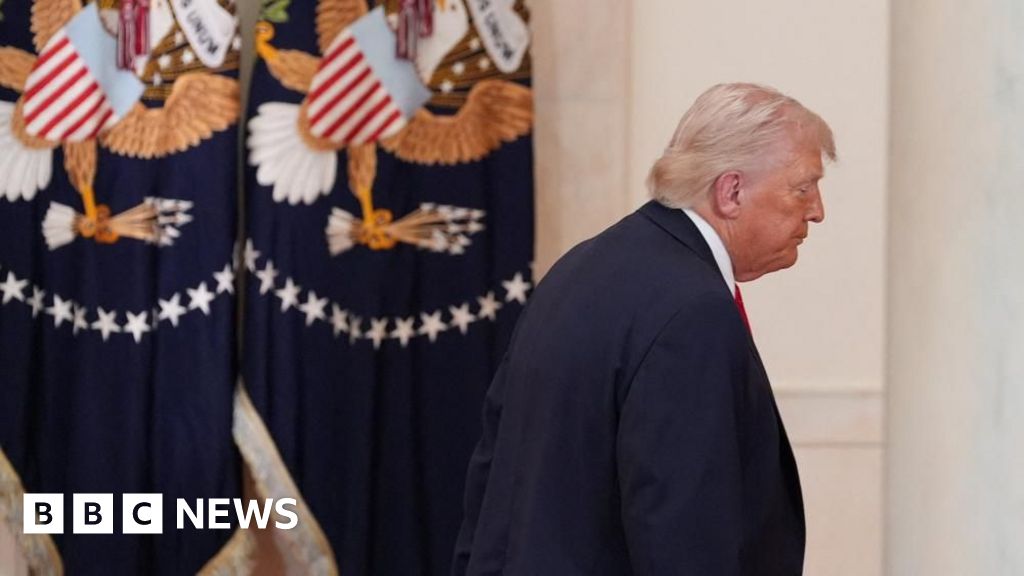
In a televised address from the White House on Wednesday evening, U.S. President Donald Trump sought to reassure the American public regarding the ongoing war in Iran, but left many critical questions unanswered. The 20-minute speech was mostly a reiteration of what Trump had said in previous days, asserting that the "core strategic objectives" of the U.S.-Israeli military operation are "close to completion" after a month of conflict.
Trump also indicated that the war could continue for another two to three weeks, repeating threats against Iran, including his promise to return the country to the "Stone Age." However, he did not provide any new details on how these objectives would be achieved or what the next steps would entail.
Details of the Address
Despite his attempts to reassure Americans, the speech did not include clear answers to many important issues. For instance, Israel continues to face drone and missile attacks, including strikes that occurred in Tel Aviv just hours before the start of Passover. The main question arises whether the government of Benjamin Netanyahu agrees with the timeline presented by Trump.
Additionally, Trump did not mention the 15-point peace plan that the White House had urged Iran to accept just days prior. Does this mean that Washington is abandoning many of its demands, including the restoration of its enriched uranium stockpile?
Background & Context
Historically, U.S.-Iranian relations have been tense, especially following the U.S. withdrawal from the nuclear agreement in 2018. Since then, tensions have escalated significantly, leading to a series of military and economic confrontations. The current war is part of this complex dynamic, as the United States seeks to enhance its influence in the region.
The Strait of Hormuz, one of the busiest oil shipping lanes in the world, is a focal point in this conflict. However, Trump appears to lack a clear vision on how to reopen the strait, at times demanding Iran allow ships to pass, while at other times telling his allies to handle the situation themselves.
Impact & Consequences
Polls show that the majority of Americans are dissatisfied with the military operation launched by Trump on February 28. With rising fuel prices, where the average gas price in the U.S. has surpassed $4 for the first time in four years, Trump's popularity is under severe pressure, especially with the upcoming midterm elections that will determine control of Congress.
It seems that Trump is searching for a way out of this war, yet remains unable to define a clear strategy. This ambiguity increases anxiety among Americans and reflects the political instability the president is currently facing.
Regional Significance
Developments in the Iranian war directly affect the Arab region, where Iran is a key player in many regional conflicts. Arab countries, particularly those sharing borders with Iran, are closely monitoring the situation. Any escalation in the conflict could lead to serious repercussions for regional security.
In conclusion, the most pressing question remains: how will events unfold in the coming days and weeks? With ongoing ambiguity surrounding Trump's strategy, the entire region remains on edge.