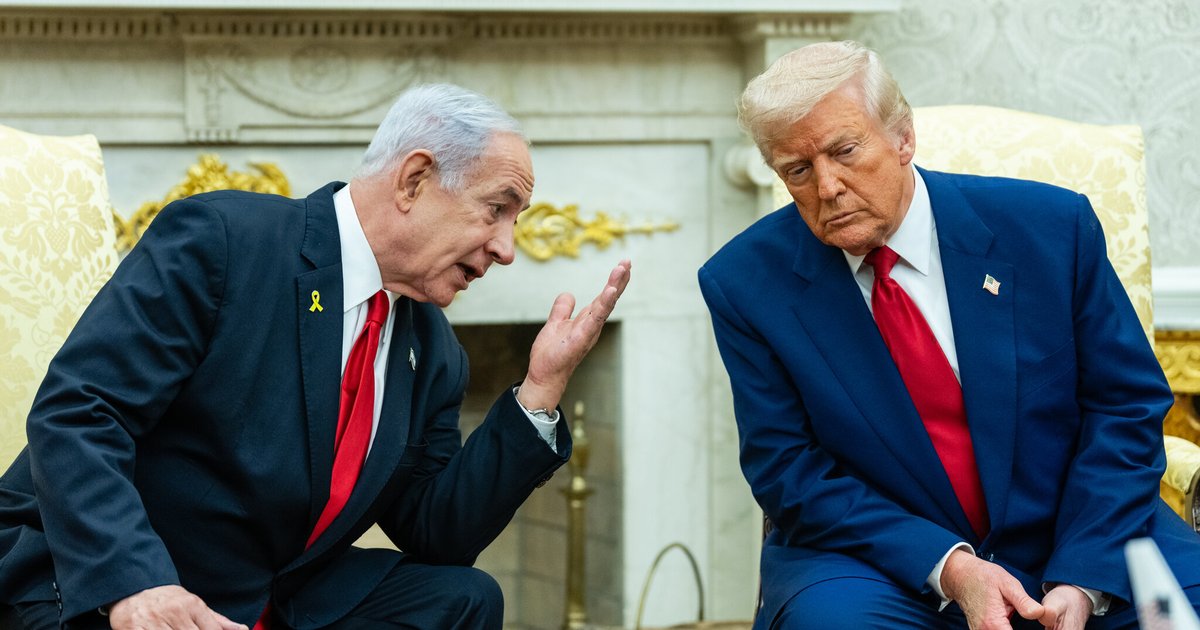
In a national address, former U.S. President Donald Trump faced sharp criticism for inaccurate claims regarding Iran. The speech, delivered during a sensitive time, raised questions about the credibility of the information presented. Trump, who was discussing the escalating tensions with Iran, made a series of claims that were later debunked by media outlets and analysts.
During his speech, Trump claimed that Iran was on the verge of developing a nuclear weapon, a statement denied by intelligence reports confirming that Iran remains committed to the nuclear deal. He also alleged that Tehran was increasingly supporting terrorist groups, a claim criticized by security experts who pointed out that Iranian support for these groups has declined in recent years.
Details of the Event
The speech delivered by Trump came after rising tensions between the United States and Iran, with concerns over a potential military escalation. However, the claims made by Trump were not supported by strong evidence, leading many observers to question his motives behind these statements. Some critics argued that Trump is attempting to exploit the current situation to bolster his political popularity.
Although Trump is no longer in office, his influence on American politics remains strong. Many of his supporters believe that his statements reflect a strong stance against Iran, while opponents argue that these statements contribute to instability in the region.
Background & Context
The history of U.S.-Iranian relations is fraught with tensions and conflicts. Since the Iranian Revolution in 1979, relations between the two countries have deteriorated continuously, with the United States imposing economic sanctions on Iran due to its nuclear program and support for armed groups in the region. In 2015, a nuclear deal was reached between Iran and major powers, but the U.S. withdrawal from the agreement in 2018 led to renewed tensions.
In recent years, Iran has sought to enhance its influence in the region by supporting armed groups in Iraq, Syria, and Lebanon, raising concerns among the United States and its allies. However, the internal situation in Iran has undergone changes, as the Iranian government faces significant economic and political challenges.
Impact & Consequences
The speech delivered by Trump could have significant repercussions for U.S.-Iran relations. If inaccurate statements continue, this may lead to increased military tensions in the region. Additionally, these statements could affect future negotiations regarding Iran's nuclear program, as other countries may worry about the United States' ability to adhere to international agreements.
Moreover, such statements could influence American public opinion, potentially leading to greater division over how to deal with Iran. Some Americans may feel that military escalation is the solution, while others prefer dialogue and diplomacy.
Regional Significance
The U.S.-Iranian relationship significantly impacts the situation in the Arab region. Many Arab countries, especially those sharing borders with Iran, are closely monitoring developments. Hostile statements could lead to increased tensions in the region, affecting stability in countries like Iraq, Syria, and Lebanon.
At the same time, statements regarding Iran may bolster the position of certain armed groups in the region, complicating the security situation further. It is crucial for Arab countries to remain vigilant regarding these developments and to seek to enhance regional dialogue to avoid escalation.