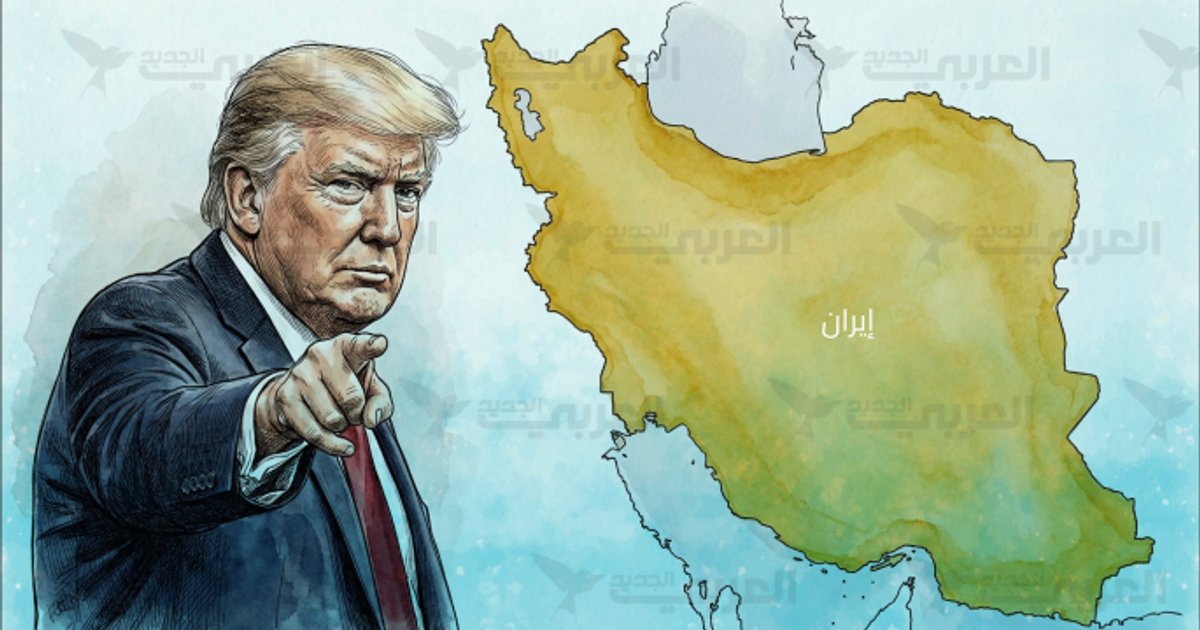
U.S. President Donald Trump is facing dwindling options in managing the ongoing conflict, as he encounters increasing pressures pushing him to continue the war until the end, regardless of the potential consequences. This situation reflects the significant strategic challenges his administration faces amid escalating internal and external crises.
Under these circumstances, Trump appears to be relying on strategies that may be ineffective in achieving the desired objectives. With declining public support and increasing criticism from political opponents, he finds himself trapped between limited choices, complicating the situation further.
Details of the Situation
Reports indicate that Trump is struggling to chart a clear path in managing the conflict, as pressures mount from various directions. Polls have shown a noticeable decline in Trump's popularity, reflecting voter dissatisfaction with his performance in crisis management. Additionally, tensions with some allied nations have further complicated the situation.
Voices calling for a change in the current strategy are growing, as some believe that continuing the war without achieving tangible results could exacerbate the crises. In this context, many are questioning Trump's ability to navigate this impasse, especially with the upcoming presidential election approaching.
Background & Context
Since taking office, Trump has faced numerous challenges, ranging from economic crises to international conflicts. These challenges have influenced his strategy in managing conflicts, leading him to adopt an increasingly militaristic approach.
Historically, the United States has witnessed many prolonged wars, resulting in negative repercussions both domestically and internationally. In this context, Trump risks repeating these experiences, which adds to the pressure on him.
Impact & Consequences
The consequences of Trump's continued engagement in the war extend beyond the United States, affecting international relations and increasing tensions in conflict zones. The persistence of the conflict could lead to worsening humanitarian crises, placing the United States in a compromising position on the international stage.
Moreover, the continuation of the war could negatively impact the U.S. economy, as military costs rise and investments in other sectors decline. This situation could lead to slower economic growth and increased unemployment, further intensifying pressures on the administration.
Regional Significance
The Arab region is among the most affected by the conflicts involving the United States. The continuation of the war could exacerbate crises in Arab countries, increasing the suffering of populations and leading to widespread chaos.
Furthermore, the escalation of U.S. military interventions in the region may heighten tensions among Arab nations, complicating the political landscape. In this context, many are questioning the future of Arab-American relations under these circumstances.
In conclusion, it appears that Trump faces significant challenges in managing the ongoing conflict, as his strategic options dwindle. With the elections approaching, the crucial question remains: Will he be able to change the course of events, or will he continue to face mounting pressures?