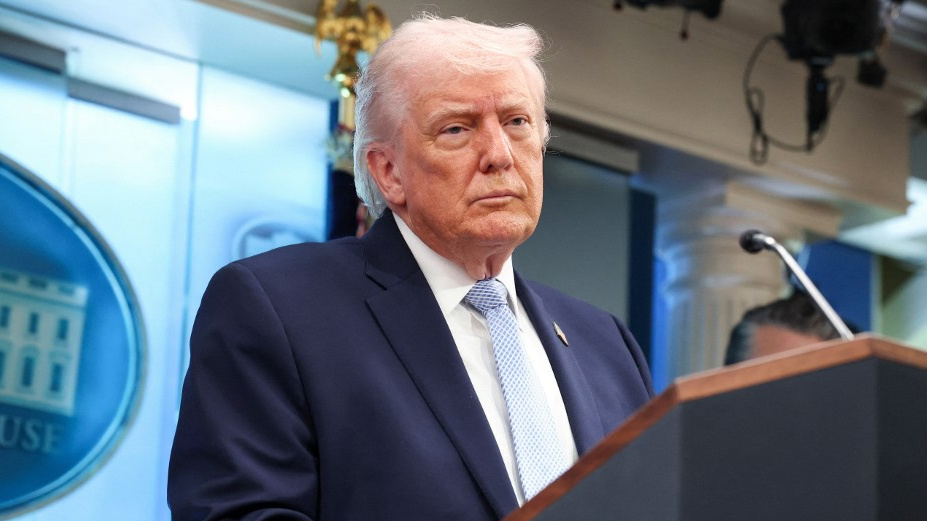
The fate of the truce between Iran and the United States hangs in the balance, influenced by developments in the Strait of Hormuz and ongoing Israeli pressures on Lebanon. President Donald Trump is under both internal and external pressures following concessions made to Iran, raising questions about his strategies in the region.
As Iranians celebrate their strategic achievements, they enter negotiations lasting two weeks, during which Trump indicated that the ten points in the truce plan form a "practical basis" for discussions. Meanwhile, Iran and Pakistan described these as guarantees for a ceasefire lasting only two weeks.
Details of the Event
Under these conditions, Iran will continue to enrich uranium, which many consider a minor concession, as Iran had previously offered this in earlier negotiations. Iran will also maintain control over the Strait of Hormuz, allowing a limited number of ships to pass during the truce period while collecting transit fees in cooperation with Oman.
Trump has reshared a statement from Iranian Foreign Minister Abbas Araghchi, who confirmed that safe passage through the Strait of Hormuz would be possible "through coordination with the Iranian armed forces." This implies that reopening the strait comes with Washington's acknowledgment of Iran's authority over it.
Background & Context
Despite the challenges, Trump faces increasing pressure from within, as calls for his impeachment grow due to his unpredictable actions. Simultaneously, Israeli Prime Minister Benjamin Netanyahu faces severe criticism after recent events revealed that his expectations regarding Iran were incorrect.
The war on Iran has served as a significant test for Netanyahu's authority, as any failure to achieve military objectives could lead to a loss of support from the United States, altering the dynamics of politics in the Middle East.
Impact & Consequences
If Israeli pressures on Lebanon continue, this could exacerbate the situation in the region, increasing the likelihood of renewed conflict. At the same time, Iran holds strong cards it can play, such as closing the Strait of Hormuz again, which would impact global oil prices.
Polls indicate that support for both Netanyahu and Trump is declining in the United States, with a recent survey showing that 60% of Americans hold a negative view of Israel, reflecting a decline in confidence in Israeli leadership.
Regional Significance
Current developments suggest that the US-Iran conflict could significantly impact Arab countries, as any escalation could have negative repercussions on security and stability in the region. Additionally, ongoing Israeli pressures on Lebanon may provoke strong reactions from armed groups such as Hezbollah.
In conclusion, it appears that the conflict in the region has entered a new phase of complexity, requiring all involved parties to consider the consequences of their actions.