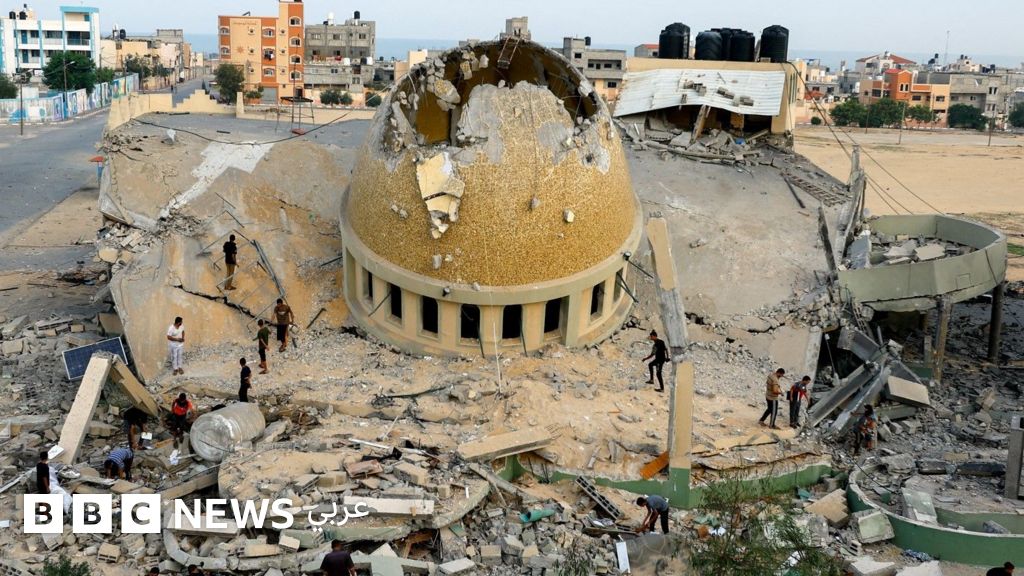
U.S. President Donald Trump finds himself in a political quagmire as pressures mount regarding foreign policy towards Iran. The challenges are intensifying due to the blockade of Iranian ports, disrupted deterrence, and a decline in public support. Under these circumstances, the new deadline granted to Tehran may serve as a final test of Trump's political strength.
The U.S. administration is seeking to impose further pressure on Iran through the blockade of its ports, which has significantly impacted the Iranian economy. However, this strategy has not yielded the desired results, as Iran continues to bolster its military capabilities and expand its influence in the region.
Details of the New Deadline
The U.S. administration has announced a new deadline for Tehran to comply with its demands, escalating tensions between the two countries. This deadline comes at a time when Iran is grappling with internal and external crises, complicating Trump's position further. Will Iran respond to this pressure, or will it continue to challenge the United States?
Concerns are growing that this deadline could lead to military escalation, as Trump faces increasing criticism from political opponents regarding the ineffectiveness of his policy towards Iran. Simultaneously, Trump is experiencing a decline in public support, heightening the pressure on him to take effective steps.
Background & Context
The roots of tensions between the United States and Iran date back several decades, with relations deteriorating significantly after the Iranian Revolution in 1979. Since then, the U.S. has pursued a policy of pressure and sanctions against Iran, exacerbating crises in the region.
In recent years, tensions have notably escalated, particularly following Trump's withdrawal from the Iranian nuclear agreement in 2018. This decision intensified the situation, as Iran began to exceed the limits set by the nuclear agreement, raising concerns within the international community.
Impact & Consequences
If Iran does not respond to the new deadline, it could lead to military escalation in the region, potentially affecting oil prices and global markets. Any escalation could also negatively impact the U.S. economy, as war or armed conflict may require substantial resources.
Moreover, Trump's failure to achieve tangible results could affect his upcoming election campaign, as he seeks re-election amid declining public support. This situation may open the door for his political opponents to exploit the circumstances to their advantage.
Regional Significance
The tensions between the United States and Iran have significant implications for the Arab region, as any escalation could destabilize Gulf countries. Additionally, these conditions could enhance Iran's influence in the region, increasing tensions with U.S.-allied Arab nations.
In light of these circumstances, Arab countries must closely monitor the situation, as any escalation could impact their national security and economic stability. It is crucial for Arab nations to adopt effective strategies to address these challenges.