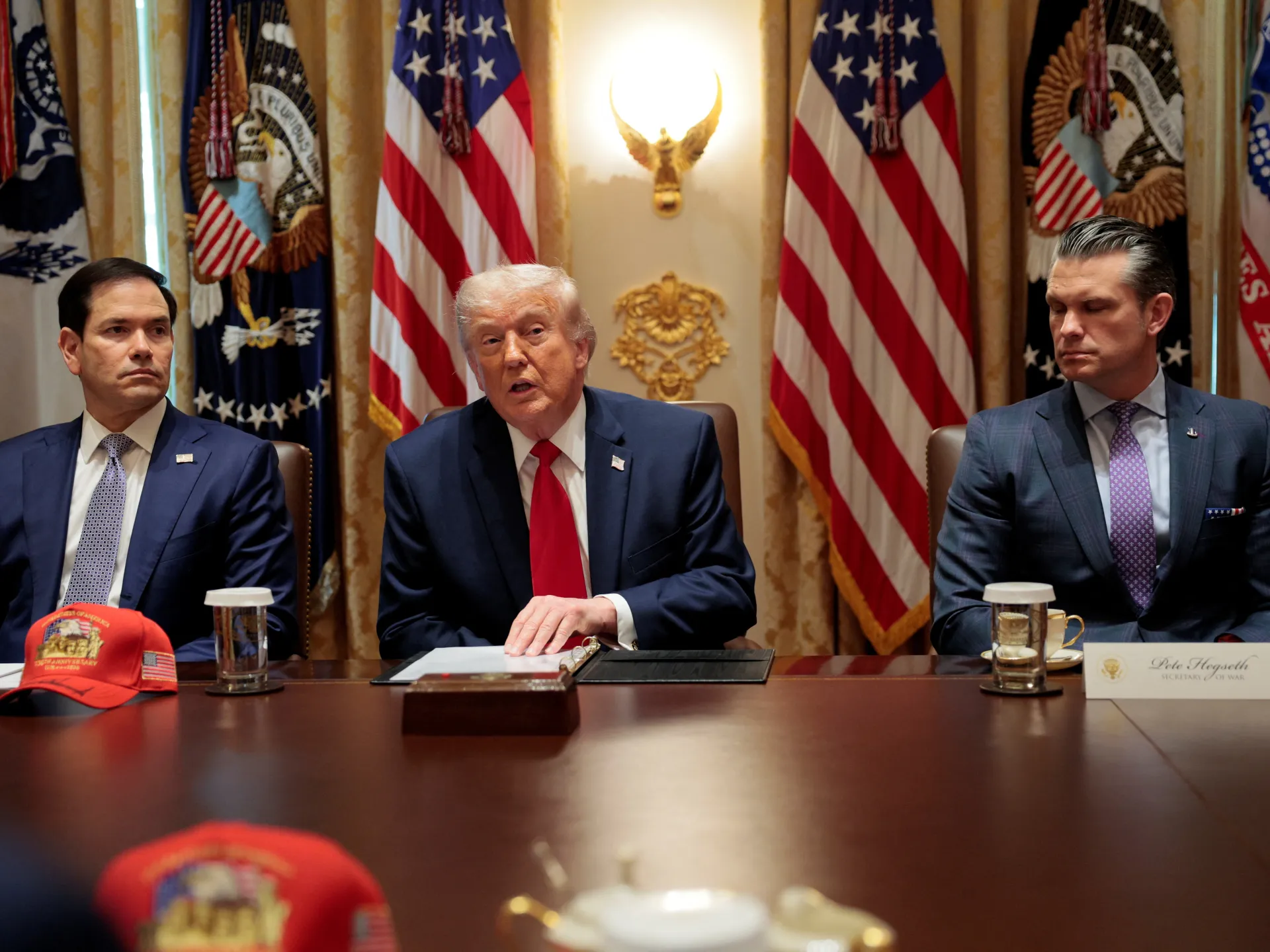
On the 90th day of the U.S.-Israeli war against Iran, President Donald Trump issued a new warning to Tehran, emphasizing that he would not permit it to acquire nuclear weapons. This declaration comes at a time when the region is witnessing escalating military tensions, with the Israeli army conducting extensive airstrikes on targets in southern Lebanon, leading to heightened anxiety among local and international communities.
These developments coincide with a sharp increase in rhetoric between the United States and Iran, as Washington seeks to bolster its position in the region by supporting its allies, primarily Israel. Trump indicated that this war aims to protect both U.S. and regional national security, warning of dire consequences should Iran continue its nuclear program.
Details of the Military Escalation
In the context of military escalation, Israeli forces have carried out airstrikes on sites believed to be linked to Hezbollah in southern Lebanon, resulting in significant material damage. Israeli authorities issued warnings to residents in the city of Tyre, urging them to evacuate as a precautionary measure. This step reflects growing concerns about the potential outbreak of a comprehensive military conflict in the region.
On the other hand, Iran continues to assert its right to develop its nuclear program, emphasizing that this program is peaceful and aimed at meeting its energy needs. However, the international community, particularly the United States and its allies, views this program as a threat to regional security.
Background & Context
Historically, relations between Iran and the United States have been marked by increasing tensions since the Iranian Revolution in 1979. These tensions have led to the imposition of severe economic sanctions on Tehran, significantly impacting its economy. In recent years, fears have escalated that Iran may seek to develop a nuclear weapon, prompting the United States to take military and diplomatic actions to counter this threat.
The current war is seen as part of a broader struggle between regional and international powers, with both Iran and Israel seeking to enhance their influence in the area. These dynamics have led to an increase in armed conflicts, threatening the stability of countries like Lebanon and Syria.
Impact & Consequences
The ramifications of this war extend beyond Iranian borders, potentially escalating conflicts throughout the region. Continued military operations may pave the way for military interventions from other countries, complicating the security situation further. Additionally, military escalation could adversely affect trade and the economy in the region, negatively impacting the lives of citizens.
Moreover, the military escalation may lead to new waves of displacement and refugee crises, particularly in border areas between Lebanon and Israel. This situation could increase pressure on neighboring countries, such as Jordan and Turkey, which are already hosting large numbers of refugees.
Regional Significance
The ongoing events in Iran and Lebanon hold significant importance for Arab countries, reflecting the persistent regional conflicts and their impact on security and stability in the area. The rising tensions could lead to new divisions among Arab states, especially given the varying stances towards Iran.
These developments may also affect peace efforts in the region, as talks between Palestinians and Israelis could stall amid escalating violence. The current situation necessitates unified positions from Arab nations to address the security and economic challenges they face.
In conclusion, the situations in Iran and Lebanon remain under scrutiny, with expectations that tensions will continue to rise unless effective diplomatic solutions are reached. The international community must act swiftly to prevent exacerbating crises in the region.