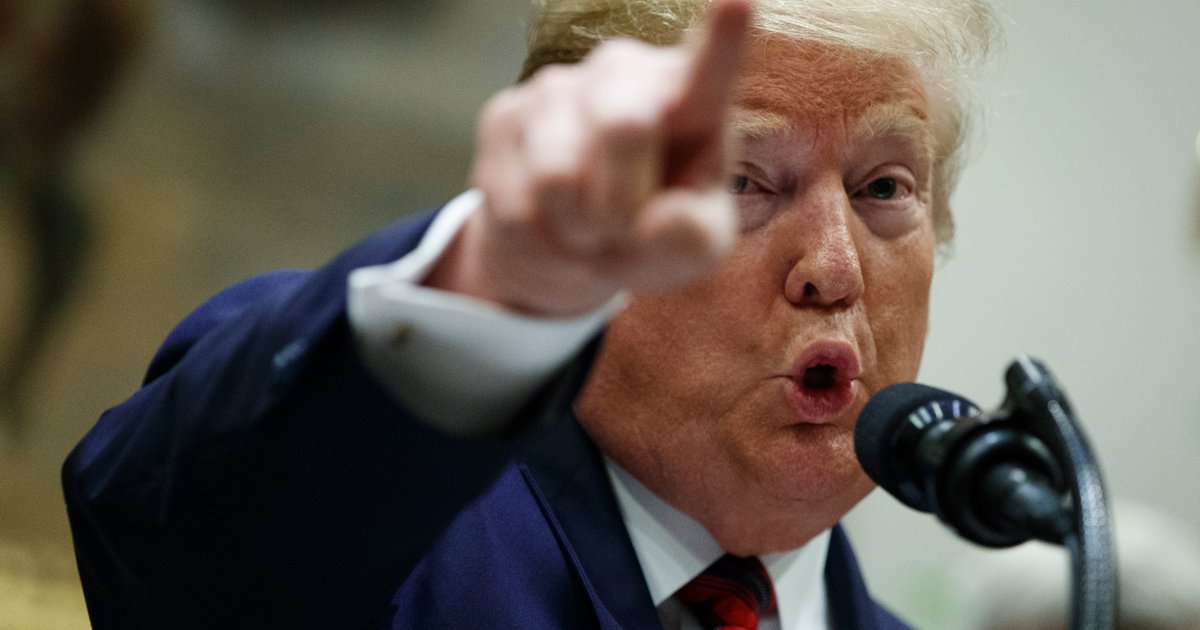
President Donald Trump's foreign policy faces new challenges amid rising global tensions. These challenges arise at a critical time, with increasing fears of military conflicts in various regions worldwide. Trump, known for his individualistic decision-making style, finds himself in situations that require collective responses and international cooperation.
Recently, several crises have emerged, including the conflict in the Middle East, tensions with Russia, and threats from North Korea. These crises require complex strategies and international collaboration, which may conflict with Trump's approach of preferring individual decision-making.
Details of the Situation
It has become clear that Trump relies on a "do-it-yourself" style in foreign policy, seeking to impose his will without relying on traditional allies. This approach has exacerbated crises in some areas, where allies feel excluded from the decision-making process. For example, in the Middle East, tensions between Iran and the United States have escalated, leading to mutual threats and increased military activity.
Moreover, Trump faces criticism from both within the United States and abroad due to his handling of international issues. Many experts believe that this approach could lead to the isolation of America on the international stage, potentially harming its long-term interests.
Background & Context
Historically, U.S. foreign policy has relied on alliances and strategic partnerships. Since the end of World War II, the United States has played a key role in shaping the international order by supporting allies and cooperating in the face of global challenges. However, Trump has taken a different path since assuming the presidency, beginning to undermine some of these alliances.
For instance, Trump withdrew from the nuclear agreement with Iran, which escalated tensions in the region. He has also criticized his NATO allies for what he perceives as their failure to pay their fair share of the budget, raising concerns about the future of this alliance.
Impact & Consequences
The repercussions of Trump's individualistic policy extend beyond American borders, affecting global stability. In the absence of international cooperation, military conflicts may escalate, increasing the risk of new wars. This approach could also lead to the disintegration of traditional alliances, opening the door for other countries like China and Russia to enhance their influence in areas that were previously under American control.
Additionally, Trump faces internal challenges, as criticism from political opposition and analysts grows. Many of them see his foreign policy style as potentially harmful to U.S. interests in the long run, leading to a loss of trust in American leadership.
Regional Significance
For the Arab region, the escalation of global tensions could exacerbate existing crises. Conflicts in Syria, Yemen, and Libya may be directly affected by Trump's individualistic policy, as the absence of American support could worsen humanitarian and political conditions in these countries. Furthermore, escalating tensions with Iran could increase instability in the Arabian Gulf, impacting regional security.
In conclusion, it appears that President Trump's foreign policy faces significant challenges amid increasing global crises. His individualistic style could have dire consequences on the international stage, necessitating a reevaluation of American foreign policy strategies in the future.