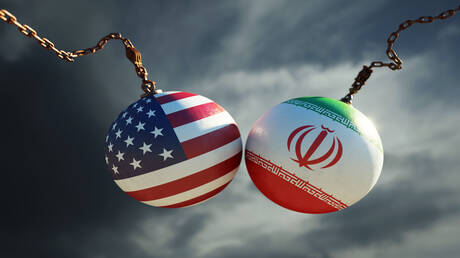
A new conflict emerges between Tehran and Washington through statements exchanged between former US President Donald Trump and Iranian Parliament Speaker Mohammad Baqer Qalibaf, reflecting ongoing tensions between the two nations.
Recently, Trump launched a series of statements criticizing Iranian policies, provoking strong reactions from Iranian officials, including Qalibaf, who used the platform "X" to express his viewpoint. These statements reflect the escalating tensions between the two countries, which extend beyond mere political disagreements to encompass economic and security aspects.
Details of the Event
Reports indicate that Trump criticized Iran's nuclear program in his recent statements, suggesting it poses a threat to regional and international security. In response, Qalibaf addressed these remarks via his account on X, describing them as unrealistic and indicative of Trump's misunderstanding of the Iranian reality. This war of words comes at a sensitive time, as Iran seeks to bolster its regional position in the face of American pressures.
Tensions between Iran and the United States have intensified since Washington's withdrawal from the nuclear agreement in 2018, which led to the imposition of stringent economic sanctions on Tehran. These sanctions have significantly impacted the Iranian economy, prompting the government to seek ways to strengthen its position in the region.
Background & Context
Historically, Iranian-American relations have seen significant fluctuations, starting with the 1979 Islamic Revolution that resulted in the severance of diplomatic ties between the two countries. Since then, Iran has become a target of American policies in the Middle East, as Washington seeks to contain Tehran's influence in the region.
In recent years, tensions have notably escalated, particularly with the increase of Iranian military activities in Iraq and Syria, and its support for armed groups in the region. These activities have led the United States to adopt a more hardline stance towards Iran, further intensifying the conflict between the two nations.
Impact & Consequences
The repercussions of these statements extend beyond bilateral relations, affecting regional stability. The escalation in rhetoric between Trump and Qalibaf could lead to increased tensions in the region, threatening peace and security efforts. Additionally, these statements may impact future negotiations regarding Iran's nuclear program, as the international community seeks diplomatic solutions.
Moreover, this confrontation could increase pressures on Iran's neighboring countries, complicating the security situation in the region. Arab nations, in particular, are closely monitoring these developments, as they are concerned about any escalation that could affect their security and stability.
Regional Significance
The Iranian-American relationship is a key axis affecting regional security, with Arab countries being directly impacted by the tensions between the two nations. Any escalation in this conflict could lead to negative repercussions on security and stability in the region, threatening economic and social development efforts.
In this context, Arab nations must be cautious in dealing with these developments and strive to enhance regional cooperation to address common challenges. Continuous diplomatic efforts are also necessary to mitigate escalation and avoid any conflict that could lead to open hostilities.
In conclusion, the exchanged statements between Trump and Qalibaf reflect a complex reality of political and security tensions between Iran and the United States, necessitating international and Arab attention to ensure regional stability.