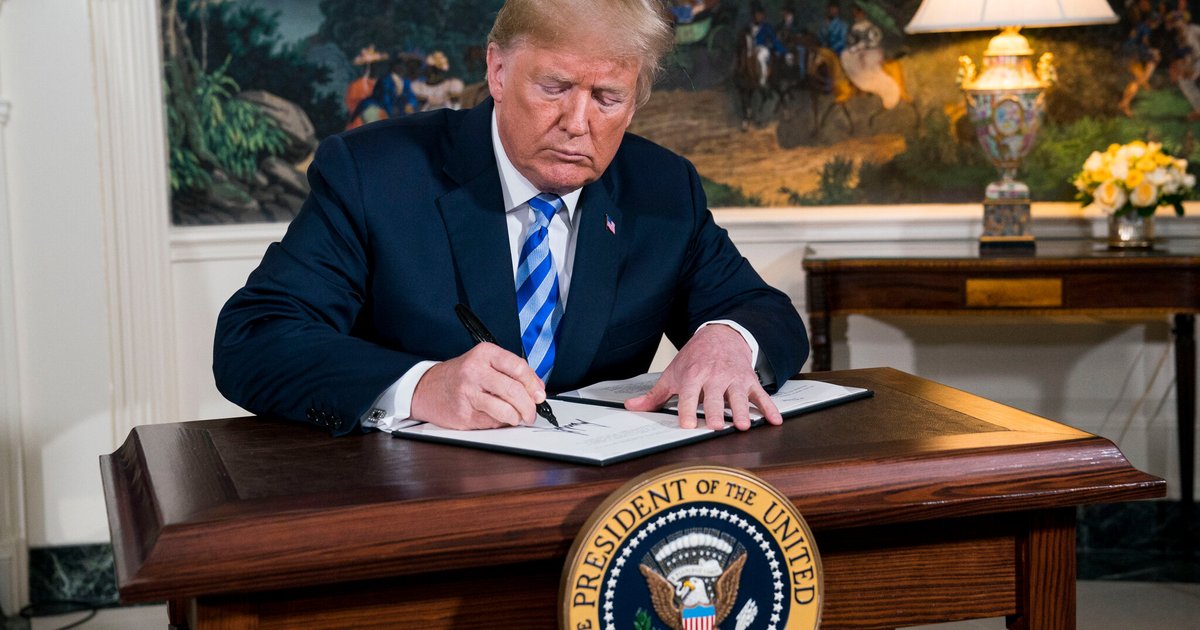
In a dramatic turn of events, U.S. President Donald Trump announced that Iran has a 48-hour deadline to reach a nuclear agreement, threatening to open the Strait of Hormuz if this does not occur. These statements were made via his social media platform, where Trump emphasized that time is running out for Tehran.
Trump, who had previously given Iran a ten-day deadline for negotiations, indicated that the current situation requires decisive action. In his tweet, he stated: "Remember when I gave Iran ten days to reach an agreement or open Hormuz. Time is running out - 48 hours before disaster strikes them."
Details of the Event
Trump's remarks come at a sensitive time, as the region has witnessed a notable escalation in tensions since the attacks launched by the United States and Israel on Iran on February 28, 2026, which resulted in the deaths of over 1,340 people, including Ali Khamenei, the Supreme Leader of Iran at the time. Iran responded to these attacks with a series of drone and missile strikes against Israeli and U.S. targets in Jordan, Iraq, and Gulf states.
Iran has also restricted the movement of ships in the Strait of Hormuz, a strategic passage through which about 20% of global oil supplies flow. These actions indicate a potential escalation in the ongoing conflict, raising concerns about the stability of global oil markets.
Background & Context
Historically, the Strait of Hormuz has been a focal point of geopolitical tensions, serving as a vital transit point for oil. For decades, the region has experienced multiple conflicts related to dominance and influence among major powers. In recent years, tensions between the United States and Iran have significantly increased, especially after the U.S. withdrawal from the Iranian nuclear deal in 2018.
This withdrawal led to the imposition of severe economic sanctions on Iran, impacting its economy and exacerbating humanitarian conditions. In response, Iran seeks to enhance its nuclear capabilities, further alarming the international community.
Impact & Consequences
If Iran fails to reach a nuclear agreement within the stipulated timeframe, the opening of the Strait of Hormuz could lead to significant military escalation in the region. Such an escalation could directly affect global oil supplies, potentially leading to rising oil prices and increased economic pressures on consuming countries.
Additionally, this situation may heighten tensions between Iran and neighboring Arab states, threatening regional stability. Any military escalation in the area could draw other countries into the conflict, complicating the situation in the Middle East.
Regional Significance
For Arab countries, the rising tensions in the Strait of Hormuz represent a direct threat to their security and stability. Many Arab nations rely on oil supplies from this region, and any disruption in shipping could significantly impact their economies.
Moreover, military escalation could lead to increased sectarian tensions in the region, threatening internal stability in some countries. Therefore, Arab nations need to take diplomatic steps to ease tensions and avoid any potential escalation.