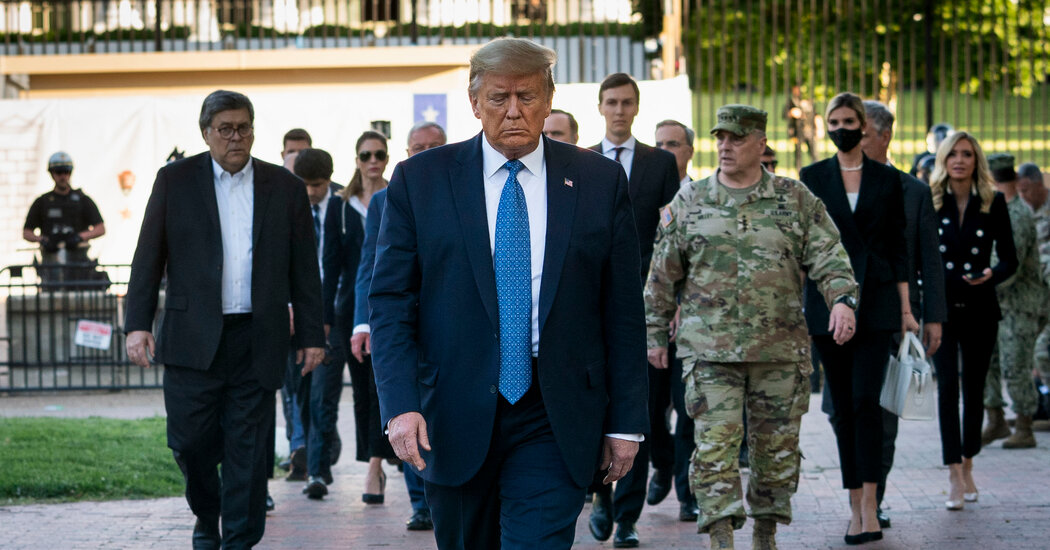
Former U.S. President Donald Trump and former Defense Secretary Mark Hagest announced the dismissal of the Chief of Staff, reflecting an old American value regarding the importance of stability in military leadership. This move raises questions about its impact on the U.S. military.
This dismissal comes at a sensitive time, as the U.S. military faces multiple challenges, including increasing geopolitical tensions in various parts of the world. The decision has sparked mixed reactions among military and political experts, with some viewing it as necessary to ensure effective leadership, while others believe it could lead to instability within the military.
Details of the Event
In an unexpected move, Trump and Hagest announced the dismissal of the Chief of Staff, sparking widespread debate in political and military circles. This decision followed a series of discussions regarding leadership performance in the military, where some considered that changes in leadership might be necessary to address current challenges.
It is noteworthy that Trump and Hagest emphasized the importance of maintaining stability in military leadership, stating that "you do not change your horses in the middle of the stream," referring to the need to maintain balance and calm during times of crisis. This phrase reflects the traditional American philosophy that underscores the importance of continuity in leadership.
Background & Context
Historically, the United States has witnessed numerous changes in military leadership, often occurring during times of crisis. In recent years, there has been an increasing focus on the need to modernize military leadership to confront new challenges, including cyber threats and international terrorism.
The dismissal of military leaders is not a new phenomenon in American politics, as many previous administrations have seen similar changes. However, the timing of this dismissal and its potential impact on the U.S. military raises many questions.
Impact & Consequences
This dismissal is seen as a step that could significantly affect the structure of military leadership in the United States. This change may lead to a reassessment of military strategies, which could impact current and future military operations.
Furthermore, this move could increase tensions within the military, as some officers may feel instability or lack of confidence in the new leadership. This situation could affect troop morale and heighten the challenges they face in the field.
Regional Significance
In light of the increasing tensions in the Arab region, this dismissal may have indirect effects on relations between the United States and Arab countries. Changes in American military leadership could influence security and military cooperation strategies with Arab nations.
Moreover, any instability in U.S. military leadership may lead Arab countries to reevaluate their relationships with the United States, potentially creating a climate of uncertainty in the region.
In conclusion, this dismissal remains a contentious topic, as questions continue to arise regarding its impact on the U.S. military and international relations under the current circumstances.